

By: Gunnar W. Schade, Texas A&M University
 Urban air pollution in the U.S. has been decreasing near continuously since the 1970s.
Federal regulations, notably the Clean Air Act passed by President Nixon, to reduce toxic air pollutants such as benzene, a hydrocarbon, and ozone, a strong oxidant, effectively lowered their abundance in ambient air with steady progress.
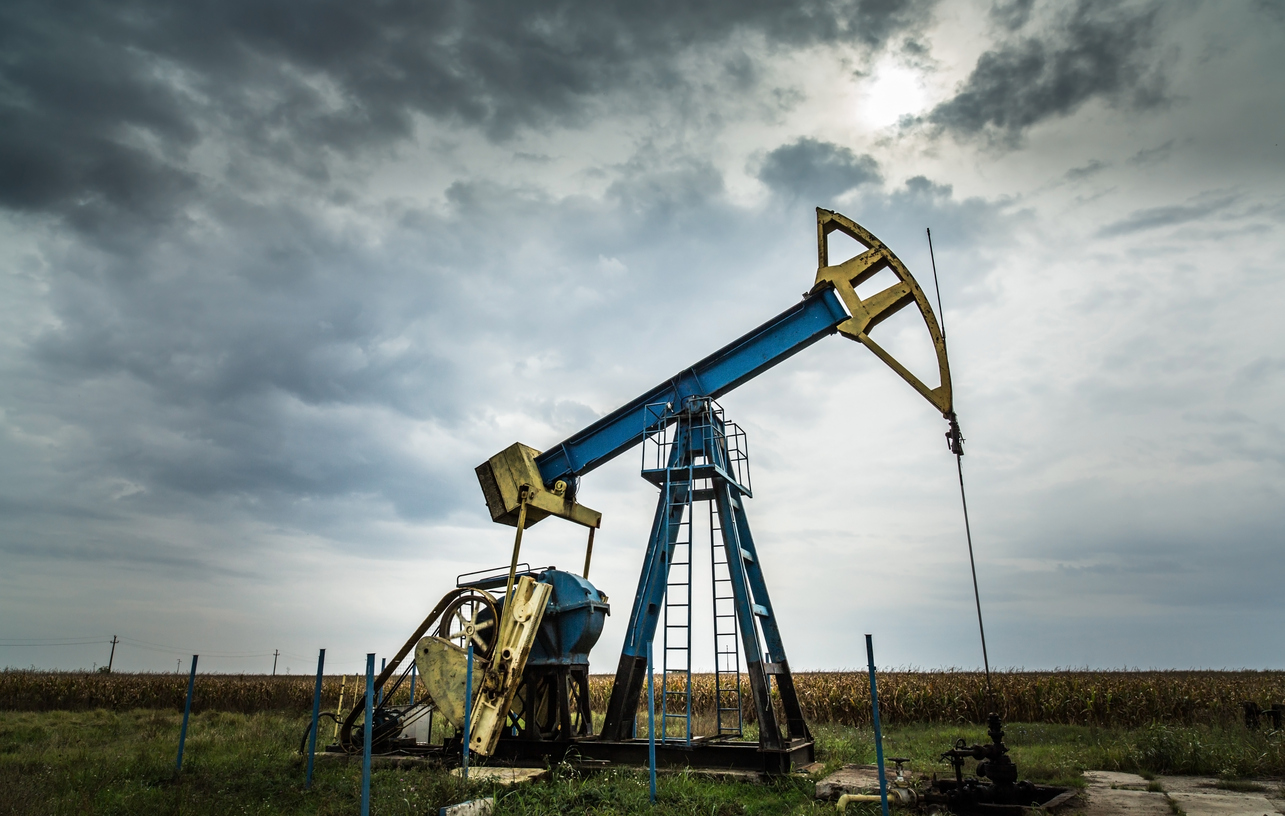
But about 10 years ago, the picture on air pollutants in the U.S. started to change. The “fracking boom” in several different parts of the nation led to a new source of hydrocarbons to the atmosphere, affecting abundances of both toxic benzene and ozone, including in areas that were not previously affected much by such air pollution.
As a result, in recent years there has been a spike of research to determine what the extent of emissions are from fracked oil and gas wells – called “unconventional” sources in the industry. While much discussion has surrounded methane emissions, a greenhouse gas, less attention has been paid to air toxics.
 ECS is proud to announce its partnership with the Initiative for Open Citations (I4OC). By joining forces with I4OC, ECS has opened up citation data, further expanding accessibility to scientific knowledge by releasing into the public domain reference data published in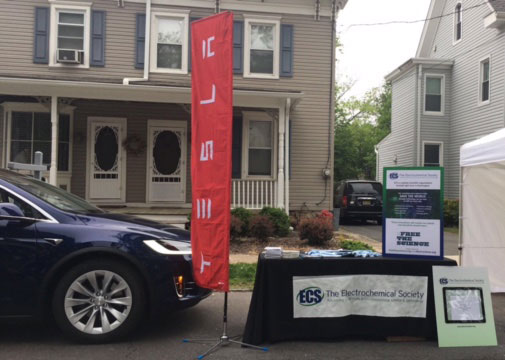


 Topic Close-up #3
 A recent survey shows the scholarly publication model is changing, and researchers are embracing that change.