
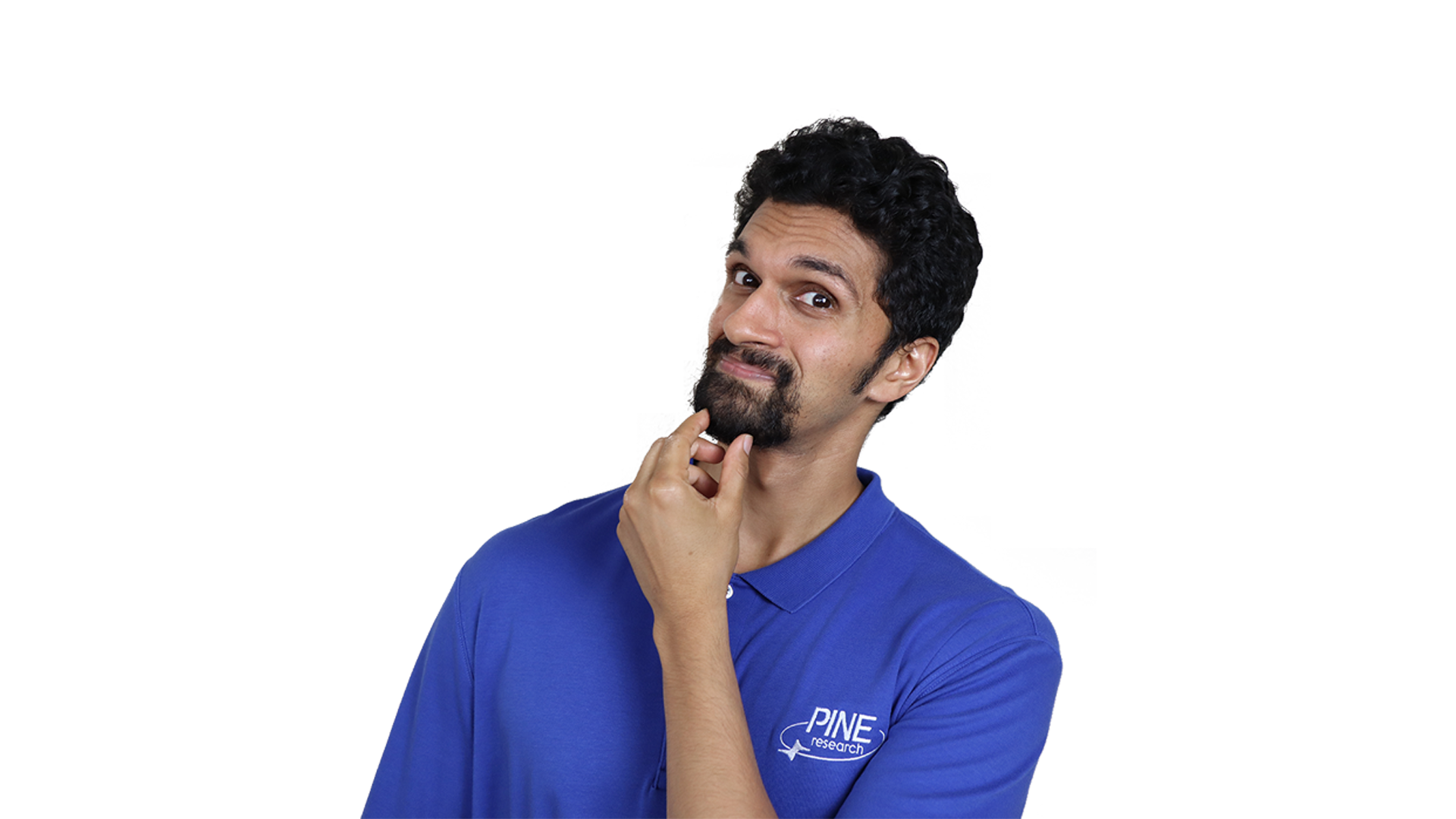
 Today’s guest post comes from Dr. Alex Peroff, Electrochemical Sales Scientist at Pine Research Instrumentation, an ECS Institutional Partner, who shares his perspective on advancing research, collaboration, and innovation in our scientific community.
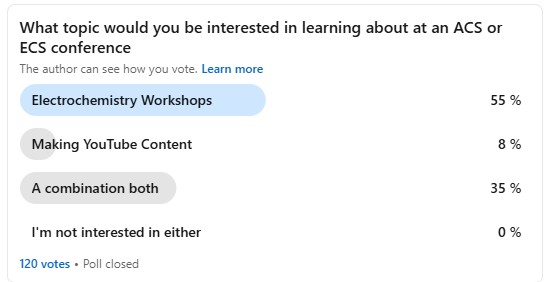
I attended the electrochemical education symposium at the 248th ECS Meeting in Chicago, IL. After listening to the talks, I was inspired to develop an abstract to present at a future meeting. The topic would either be about my efforts in teaching electrochemistry via YouTube or developing electrochemistry workshops. Not knowing which topic to pick, I decided to poll my LinkedIn network. To my surprise, only eight percent of people were interested in learning about making YouTube content, compared to 55 percent who were interested in electrochemistry workshops.
(Click to enlarge)
The timing of this poll coincided with a separate LinkedIn post on my feed about how people get more of their science information from YouTube—which also coincided with ECS’s offer for Pine Research to write a blog for ECS News. So here we go!
Why make YouTube science videos
Let me cut to the chase. I want YOU to make YouTube videos on science. Based on poll results, I know you’re not interested. Nevertheless, hear me out. You’ve got some great papers, a fantastic set of PowerPoint slides, and you’re next in line to win the ECS Outstanding Student Poster Award. However, using YouTube will force you to think deeply about how you communicate science and help you transmit your science to a wider audience.
When I started working at Pine Research Instrumentation in 2016, part of my job was growing our social media. Excited about YouTube, I began pouring efforts into improving the Pine Research YouTube channel. It started off small with ~300 subscribers and averaging 400 views per month. A decade later and a lot of editing, the channel has grown to over 14k subscribers averaging 20k views per month. But IMPACT is more important than analytics.
Heading home from exhibiting at a conference, I was grabbing an overpriced sandwich at the airport before heading to my gate. Then a stranger approached me. “Hey, I think I’ve seen your videos on YouTube. You explained EIS to me. For the longest time I couldn’t figure it out. I read papers on the technique, but it was always over my head. Your video really helped me. Thank you!” Over the last three years, this experience has become the norm. Not only have airport sandwiches become more expensive, but whenever I’m near a scientific conference, I’m suddenly greeted by strangers thanking me! I’m very grateful for the scientific community’s warm reception of my videos.
Imagine if your research had the same impact!
Key lessons
I’ll share three key lessons I’ve learned from making YouTube videos—insights that I consider vital to my success in growing our channel. I encourage you to use these to create your own YouTube videos and help inspire the next generation of scientists.
- Write a script: YouTubers we watch often appear to be casually talking to us. While that might be the case if they have a lot of experience, it’s rarely true. Just like with a good book or movie, the writing and script are critically important. Don’t wing it in a YouTube video! Deliver a script with carefully chosen words.

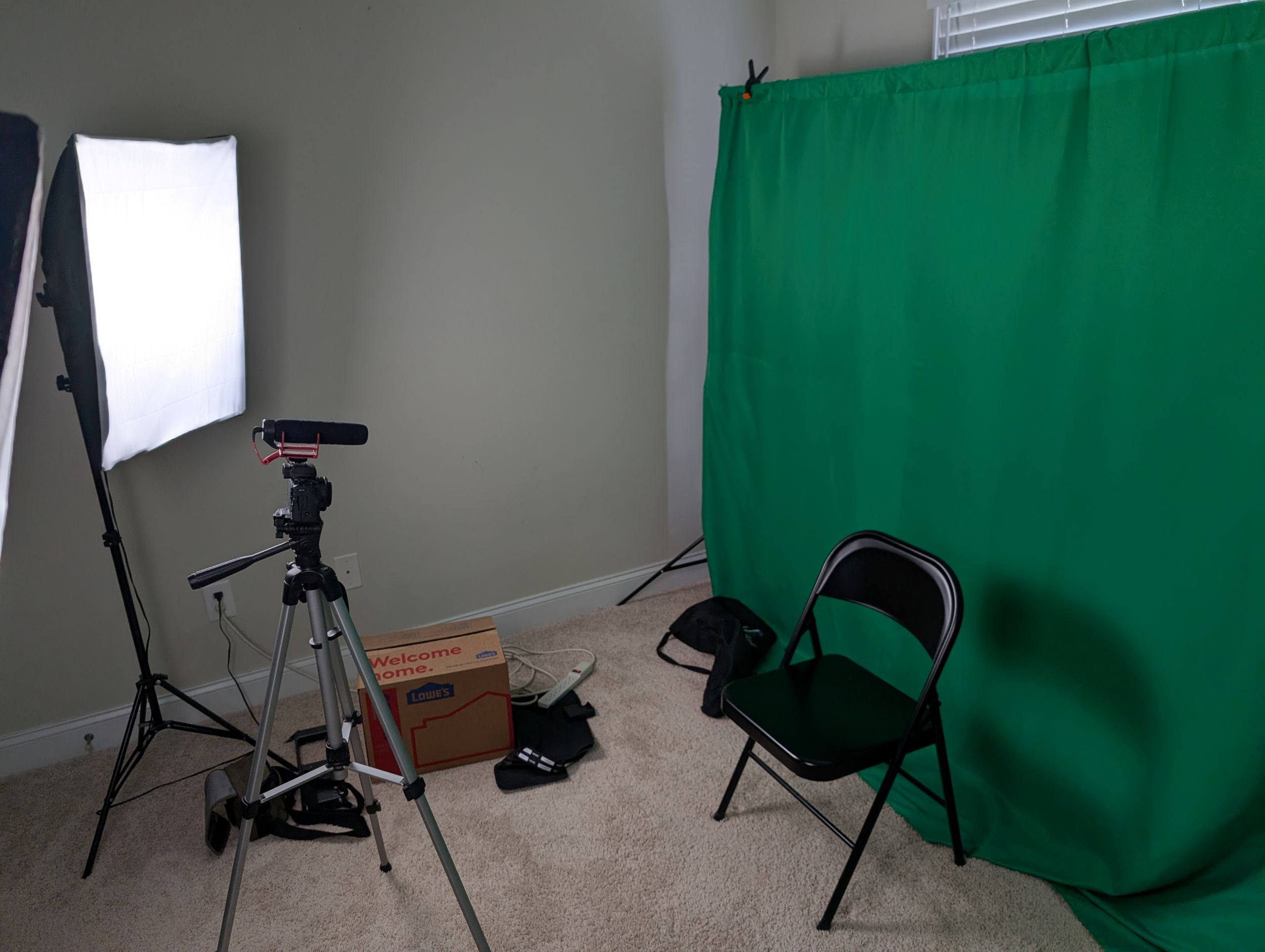
- You don’t need fancy equipment: The setup I used for a long time was nothing fancy, just a green screen, Digital Single-Lens Reflex (DSLR) camera with a good lens, a chair, and some lights. To consult my script between takes, I placed my laptop on an old box! While I’ve used a DSLR camera for years, smartphone cameras are more than adequate for making professional-looking videos. The important thing is lighting. A few lights in the right places significantly enhance your video quality, regardless of the camera used. Thankfully, lights are fairly inexpensive.
- Create for your audience: This may be the most important advice. Create content with your audience in mind. If this sounds strange, think about the times you’ve listened to a speaker rush through every research topic in their group in 15 minutes. Suddenly you’re overwhelmed by all the projects and have learned little. It would have been better if the speaker had focused on one topic with more depth and clarity. YouTube is the same. Focus your content around what the audience is looking for. The script must convey the essential information; anything extra is just noise.
Your free consultant
Sadly, I can’t condense a decade of knowledge into one ECS blog post. However, in the spirit of the Godfather, “I’m gonna make you an offer you can’t refuse.” I’m happy to help anybody who is interested in making YouTube content. Think of me as a free consultant for bouncing ideas around.
Interested? Reach out to me at aperoff@pineresearch.com.
For more information about the ECS Institutional Partners Program, contact Sponsorship@electrochem.org.