
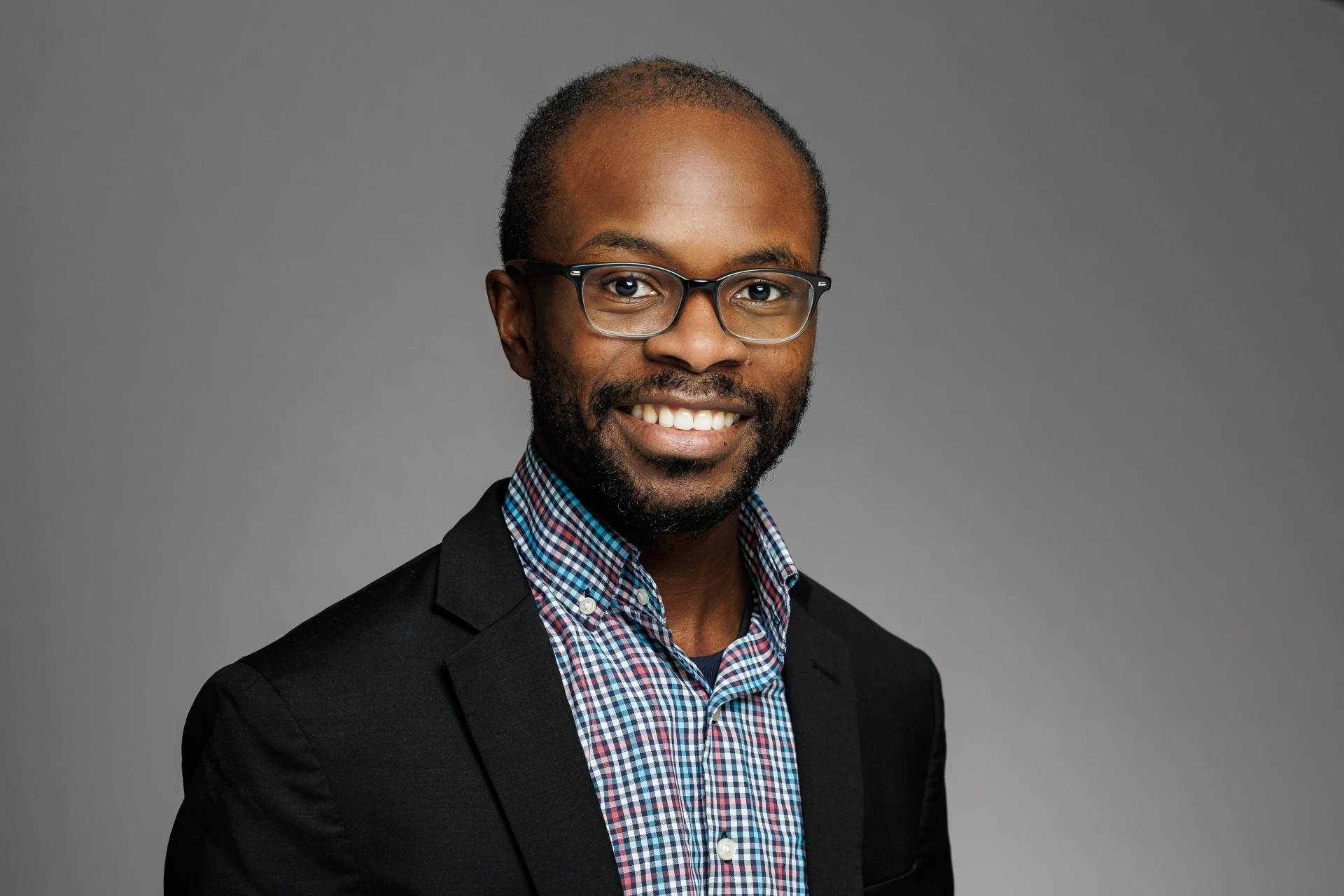
David Kwabi, Yale University
The ECS New England Section invites you to its June 2026 Section Meeting on June 23, 2026, at Northeastern University.
The event includes a presentation by David Kwabi (Yale University), a buffet dinner, and networking.
Register now
Date: Tuesday, June 23, 2026
Time: 1800–2100h EDT
Schedule:
1800h EDT Dinner and networking
1900h EDT Featured presentation
2000h EDT Discussion and networking
2000h EDT End
Location: Raytheon Amphitheater (240 Egan), Northeastern University, 360 Huntington Ave., Boston, MA 02115
Fee:
Member: $35
Nonmember: $45
Student: $15
Abstract
Averting the worst impacts of climate change will require massive reductions in CO₂ emissions—on the order of billions of tons—within the next decade. Meeting this challenge demands a rapid shift to renewable energy sources such as solar and wind, alongside large-scale CO₂ capture and storage. However, the intermittency of renewables calls for cost-effective, energy-efficient storage to ensure reliable grid performance, and CO₂ capture technologies must likewise be affordable and energy-efficient to scale.
Electrochemical approaches offer a promising path forward, enabling efficient energy storage and selective CO₂ capture while avoiding the energy losses inherent in conventional (e.g., thermal) methods. This presentation describes our progress in designing such systems. This work highlights how combining spectroscopic analysis with advanced modeling and customized reactor design can drive breakthroughs in grid-scale storage using organic redox-flow batteries and in CO₂ capture powered by pH-swing processes. These advances may unlock practical solutions across a range of industrial processes in energy conversion, energy storage, and chemical separations.
Speaker
David Kwabi is an Associate Professor in the Chemical and Environmental Engineering Department at Yale University. He earned his BS and PhD in Mechanical Engineering from Princeton University and the Massachusetts Institute of Technology, respectively, and was a Postdoctoral Fellow at Harvard University. His research focuses on developing energy- and resource-efficient electrochemical systems to address decarbonization and environmental sustainability.
ECS Sections
ECS sections introduce and support activities in electrochemistry and solid state science within specific regions. Members have opportunities to engage and expand their professional networks. Not a section member?
Email customerservice@electrochem.org now to join your region’s ECS section.