
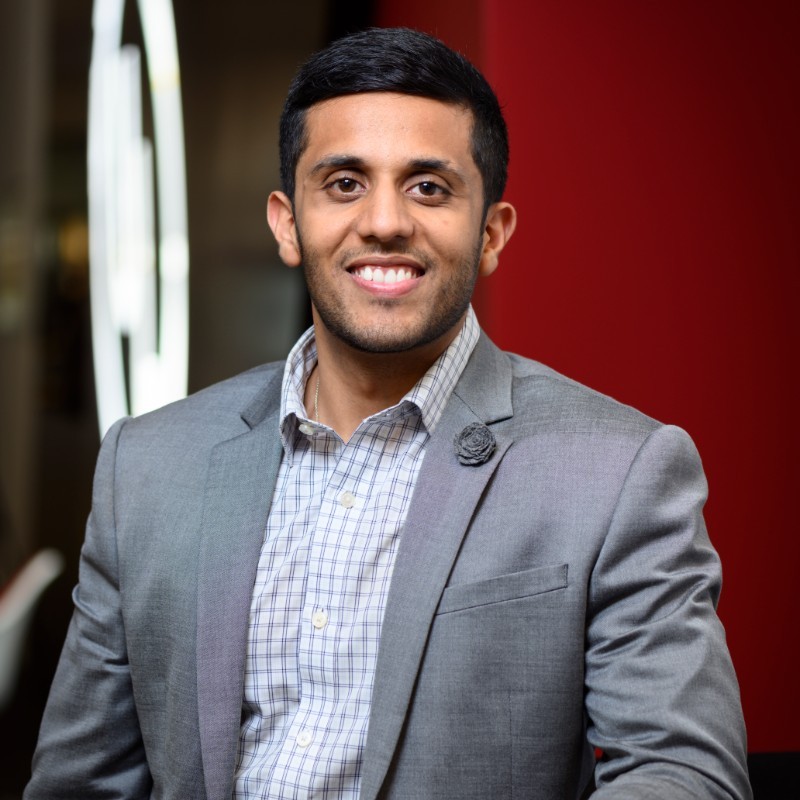
Praveen Sekhar Receives Washington State’s 2026 Governor’s Outstanding Leadership Award
Posted on September 18, 2026 by Frances Chaves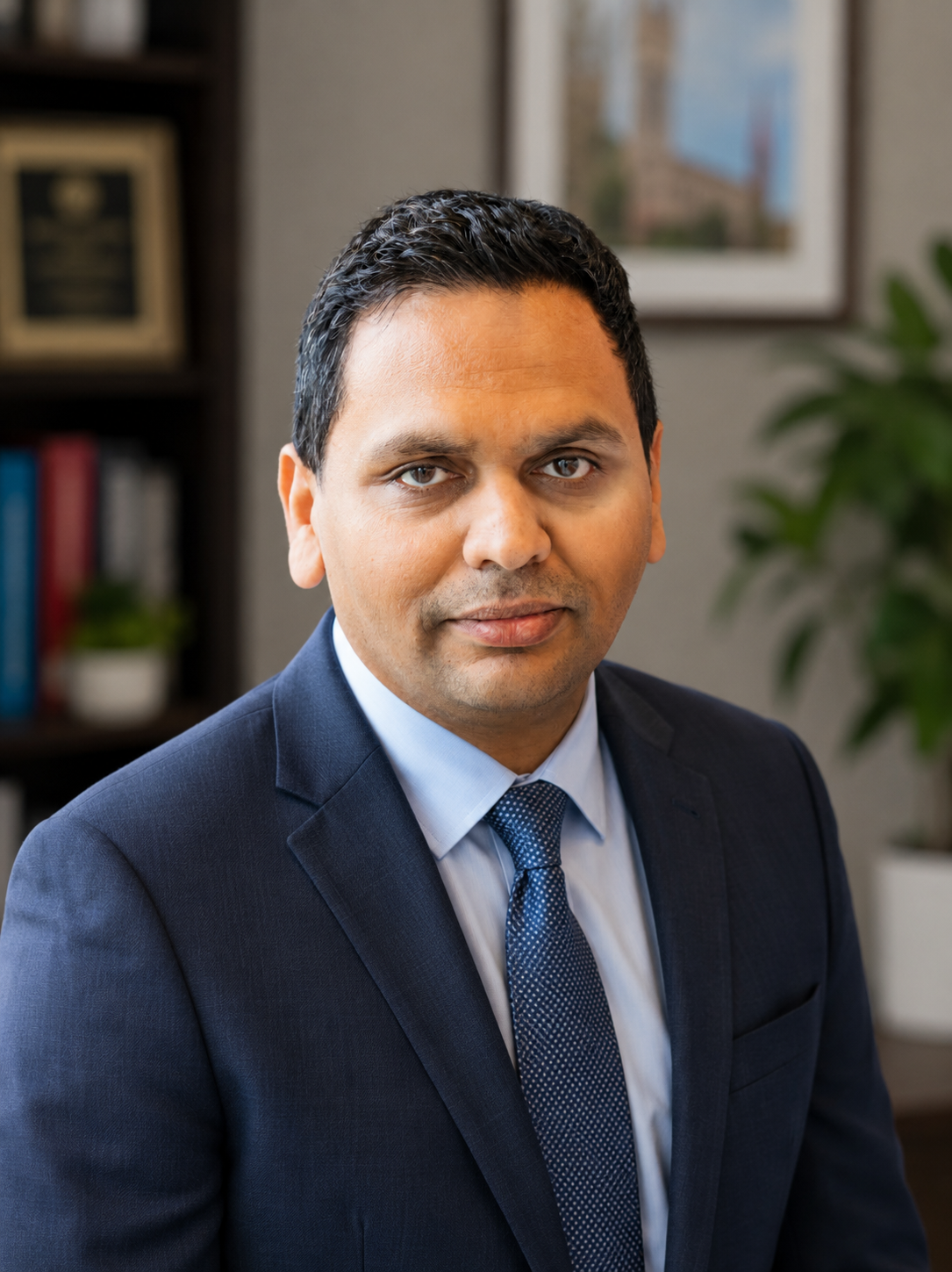
Praveen Sekhar
Praveen Kumar Sekhar, Associate Professor of Electrical Engineering at Washington State University Vancouver (WSU-V) and Chair of the ECS Sensors Division, received the Governor’s Outstanding Leadership Award for exceptional leadership and a longstanding commitment to public service and the communities he serves.
Prof. Sekhar will also receive the 2026 ECS Sensor Division Outstanding Achievement Award during the 250th ECS Meeting Plenary Session in Calgary, Canada, on October 26, 2026. He will present his award talk, “Printed Sensors, Reconfigurable RF Devices, and Emerging Quantum Platforms: Engineering the Future of Intelligent Sensing Systems,” on October 28. (more…)
ECS Webinar: “Advances in Molecularly Imprinted Polymers for Electrochemical Sensing”
Posted on August 27, 2026 by Maggie Hohenadel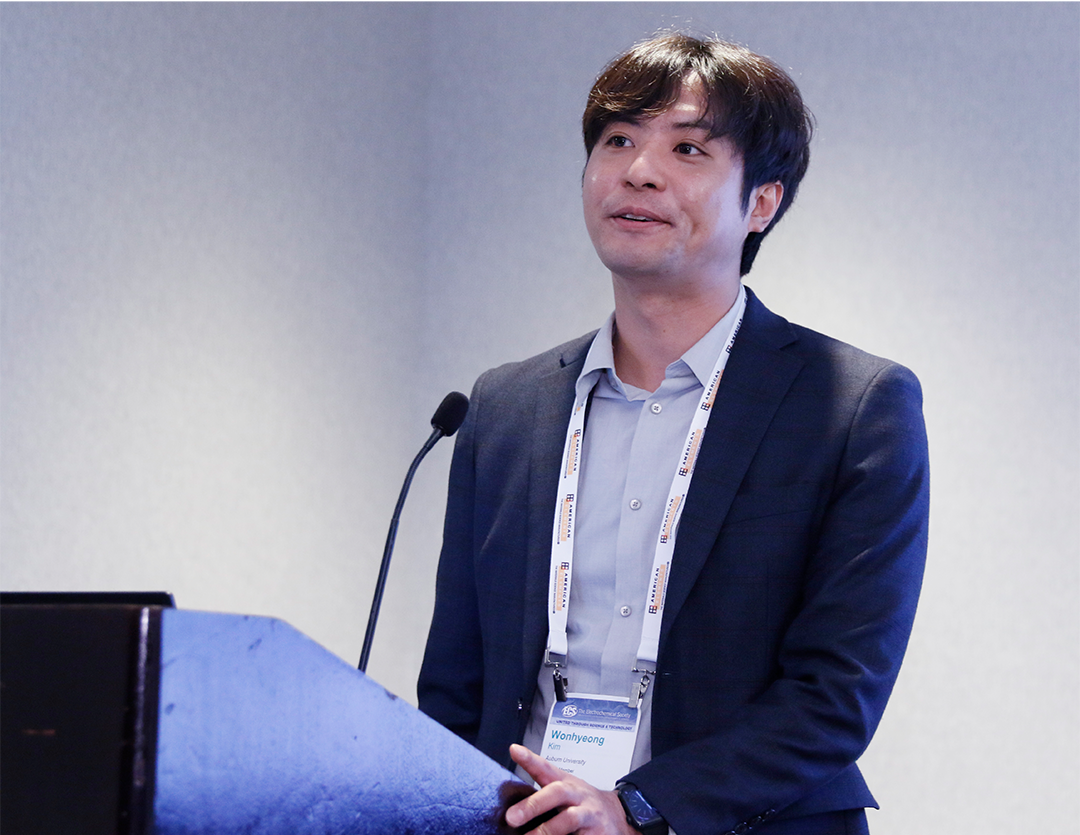
ECS Webinar Q&A: “Changes in Structure and Ionic Resistance of Lithium-Ion Battery Graphite Electrodes”
Posted on August 20, 2026 by Maggie Hohenadel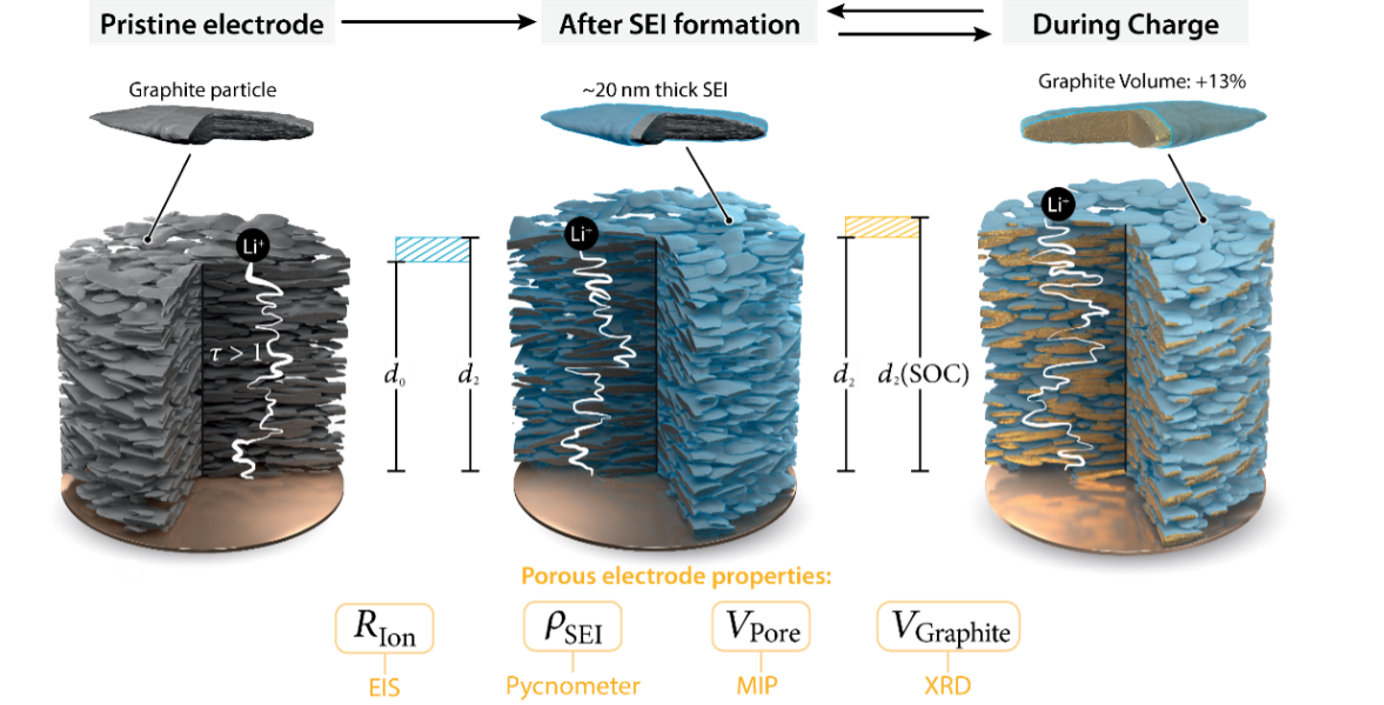
(Click to enlarge)
The Electrochemical Society hosted “Changes in Structure and Ionic Resistance of Lithium-Ion Battery Graphite Electrodes,” a live webinar by Lennart Reuter (Uppsala universitet) and Jonas L. S. Dickmanns (Technische Universität München) on August 5, 2026. A live question and answer session followed. Answers to some of the questions not addressed during the broadcast is below.
Replay the webinarECS Webinar Q&A: “Is LMFP the next big thing for EV batteries?”
Posted on July 14, 2026 by Maggie Hohenadel
Gerard Bree
The Electrochemical Society hosted the live webinar “Is LMFP the next big thing for EV batteries?,” by Gerard Bree (University of Warwick), on June 24, 2026. A live question and answer session followed. Answers to some questions not addressed during the broadcast follow.
Replay the webinarPosted in Webinars
ECS Webinar: “Changes in Structure and Ionic Resistance of Lithium-Ion Battery Graphite Electrodes”
Posted on July 13, 2026 by Maggie Hohenadel

Whittingham and the Next Generation of Energy Storage Leaders
Posted on June 30, 2026 by Frances Chaves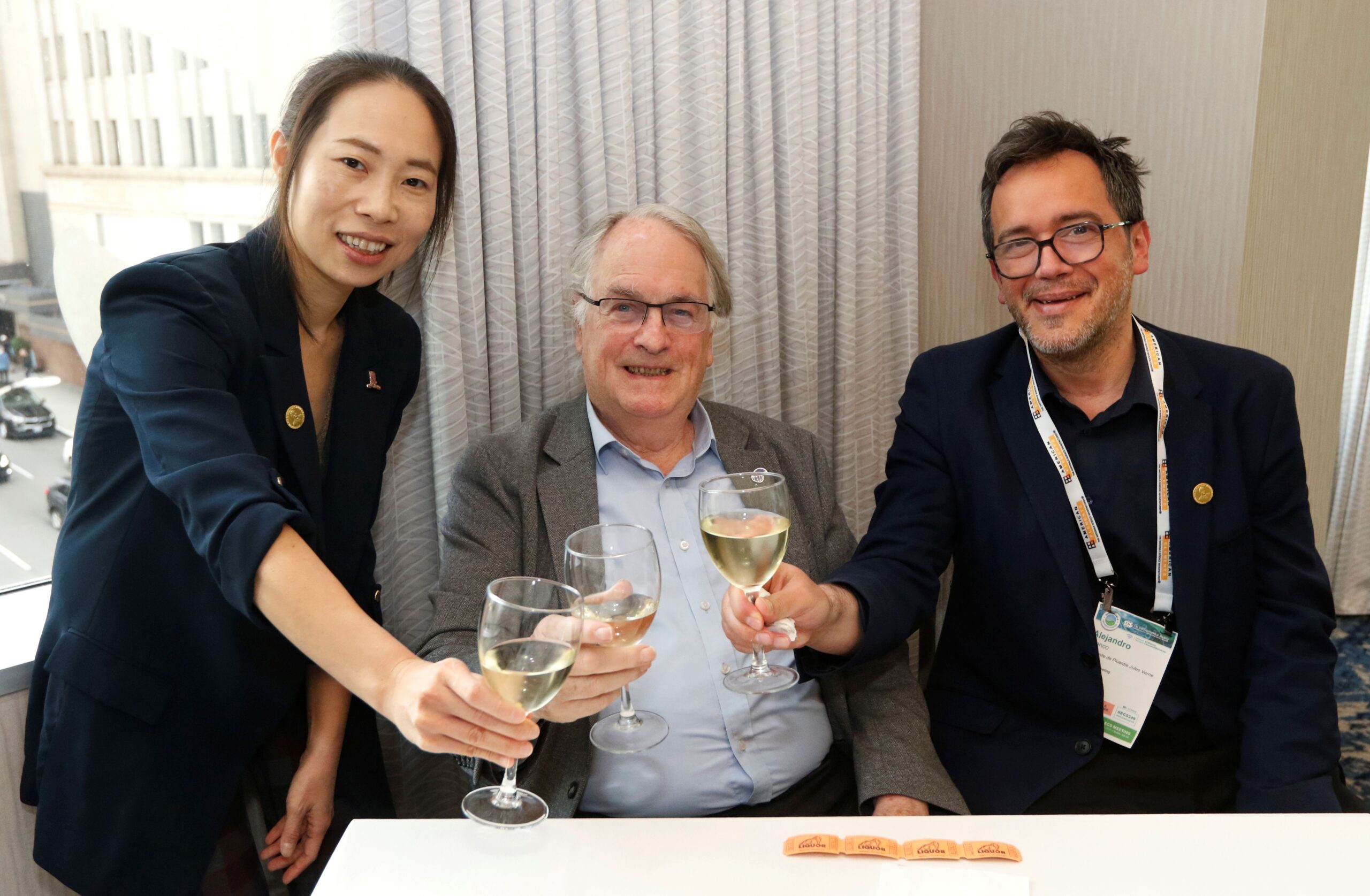
One of Nobel laureate Dr. M. Stanley Whittingham’s earliest memories of ECS (he’s been a member for more than 50 years!) dates back to receiving a Young Author Award: “…when I got a Young Author Award and went to the Shamrock Hotel in Houston, the reception was around the pool, and the Texas Rangers came on their horses. And that was amazing!”1, 2
ECS Webinar: “The discovery of mesoporous carbon support with characteristic porosity and the art of mastering its use”
Posted on June 16, 2026 by Maggie Hohenadel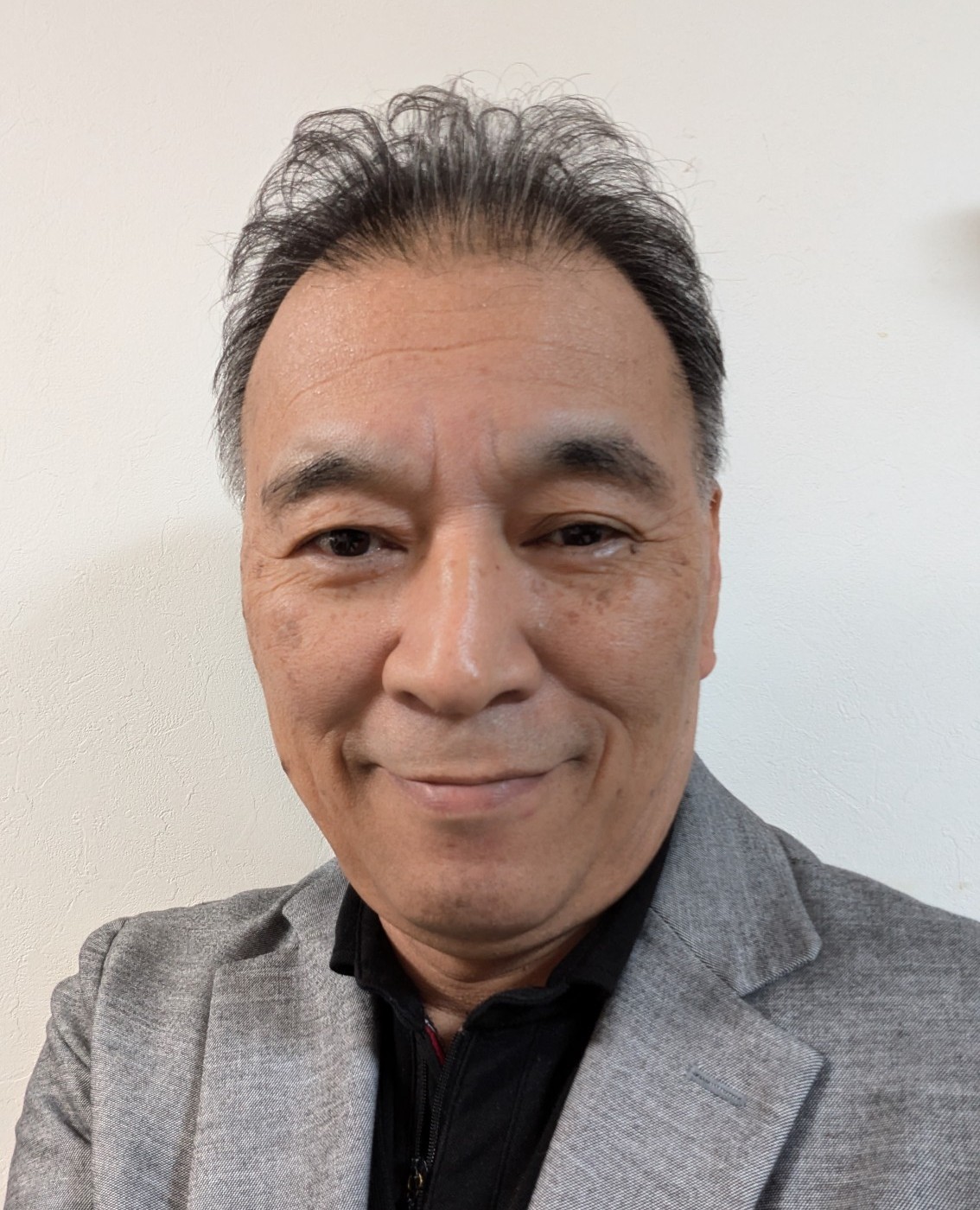
(Click to enlarge)
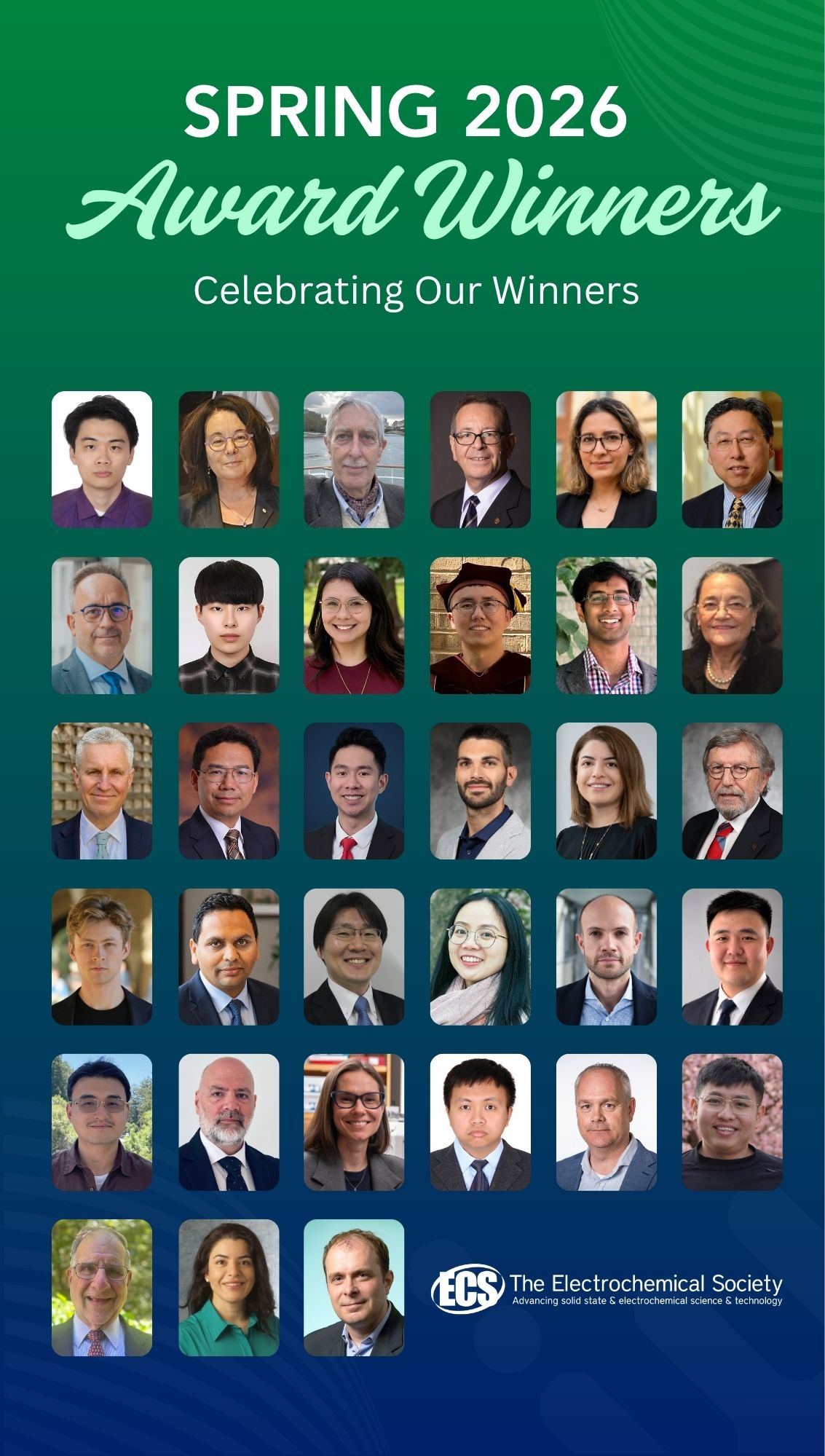
Congratulations to the spring ECS award recipients! These distinguished individuals have demonstrated exceptional achievement and made meaningful contributions to the fields of electrochemistry and solid state science. Their dedication, innovation, and commitment are an inspiration to the broader community.
Their accomplishments will be formally recognized at the 250th ECS Meeting in Calgary, Canada, as well as at select upcoming ECS Section Meetings.
Join us in celebrating their impact on the scientific community. The Society looks forward to honoring their continued success.
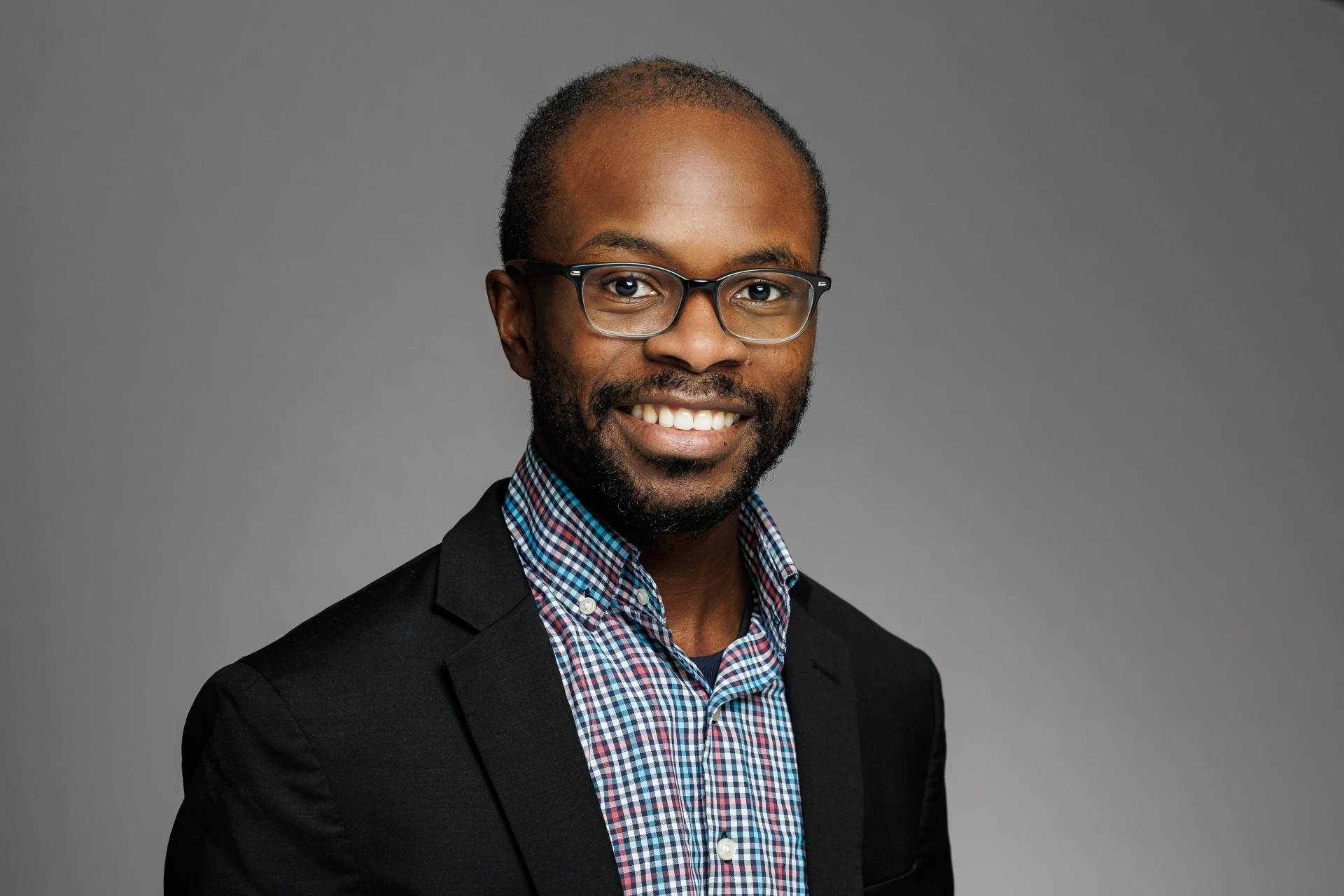
David Kwabi, Yale University
The ECS New England Section invites you to its June 2026 Section Meeting on June 23, 2026, at Northeastern University.
The event includes a presentation by David Kwabi (Yale University), a buffet dinner, and networking.
Register nowPosted in Webinars