
Noël Hallemans
Noël Hallemans
University of Oxford
Date: January 21, 2026
Time: 1000–1100h ET
Electrochemical impedance spectroscopy (EIS) offers rich insights into the physical processes within batteries—but how can these measurements directly inform physics-based models? Recent work presented in this webinar demonstrates how impedance data can be used to extract grouped parameters for physics-based models such as the Doyle-Fuller-Newman (DFN) model or the reduced-order single particle model with electrolyte (SPMe).
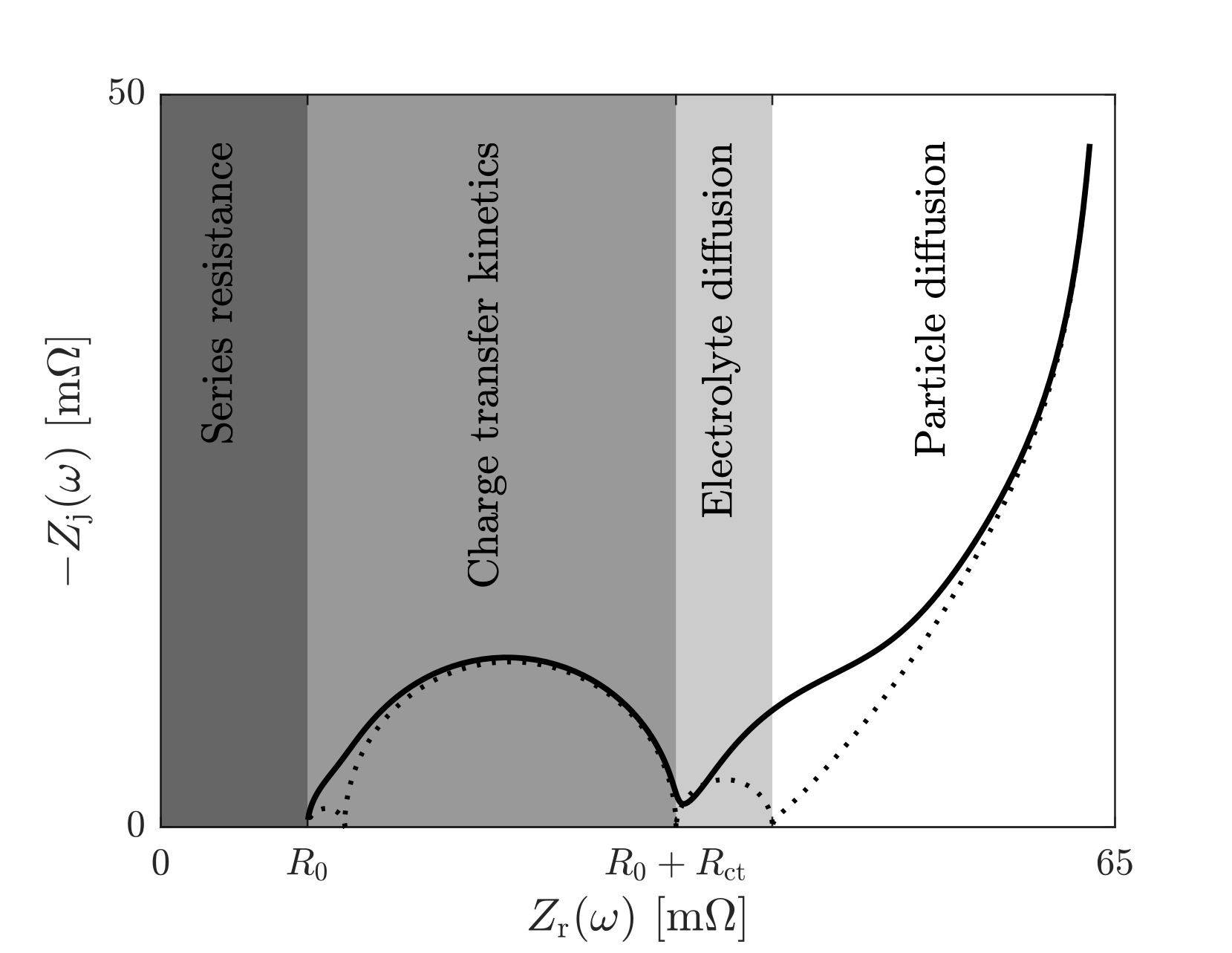
The webinar introduces PyBaMM (Python battery mathematical modelling), an open-source framework for flexible and efficient battery simulation, and shows how the extension PyBaMM-EIS enables fast numerical impedance computation for any implemented model at any operating point. How PyBOP, another open-source tool, performs automated parameter fitting of the models from measured impedance data across multiple states of charge is demonstrated.
Battery modelling is challenging, and obtaining accurate fits can be difficult. This technique offers a flexible way to update model equations and parametrize the model from impedance data. Join the webinar to see how these tools create a smooth path—from measurement to model to simulation.
Learn about:
- Measuring electrochemical impedance spectroscopy and why this is such informative data;
- Physics-based battery models;
- Open-source software for battery simulation and model parametrization.
Presenter
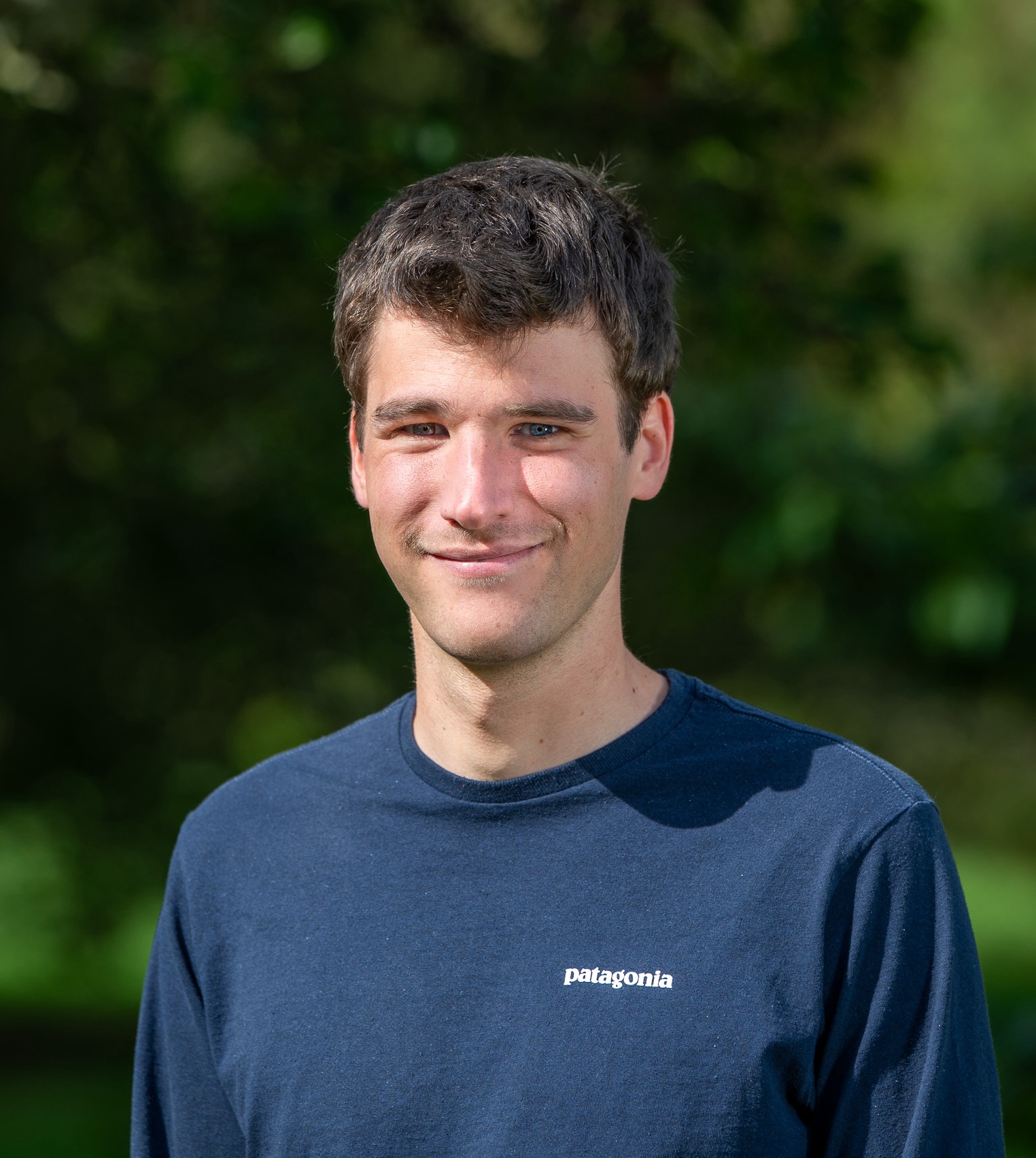
Noël Hallemans is a Postdoctoral Research Assistant in Engineering Science at the University of Oxford, where he also previously lectured in mathematics at St Hugh’s College. He earned his PhD in 2023 from the Vrije Universiteit Brussel and the University of Warwick, focusing on frequency-domain data-driven modelling of electrochemical systems.
His research at the Battery Intelligence Lab (with Prof. David Howey) integrates electrochemical impedance spectroscopy (EIS) with physics-based modelling to better understand and predict battery behavior. He also develops multisine EIS techniques for battery characterization during operation (e.g., charging or relaxation).
In his spare time, Dr. Hallemans enjoys 19th century literature, listening to Bob Dylan, tennis, and cycling through the beautiful Oxford countryside!
Thanks to the webinar sponsors who make these complimentary programs possible!
 |
 |
 |
Interested in presenting in the ECS Webinar Series? Email your presentation title and abstract to education@electrochem.org for consideration.