

ECS Webinar: “Advances in Molecularly Imprinted Polymers for Electrochemical Sensing”
Posted on August 27, 2026 by Maggie Hohenadel
ECS Webinar: “The discovery of mesoporous carbon support with characteristic porosity and the art of mastering its use”
Posted on June 16, 2026 by Maggie Hohenadel
ECS Webinar: “Is LMFP the next big thing for EV batteries?”
Posted on June 4, 2026 by Maggie Hohenadel
ECS Webinar Q&A: “Epitaxial Si/SiGe Multilayers for novel logic and memory devices”
Posted on May 13, 2026 by Maggie Hohenadel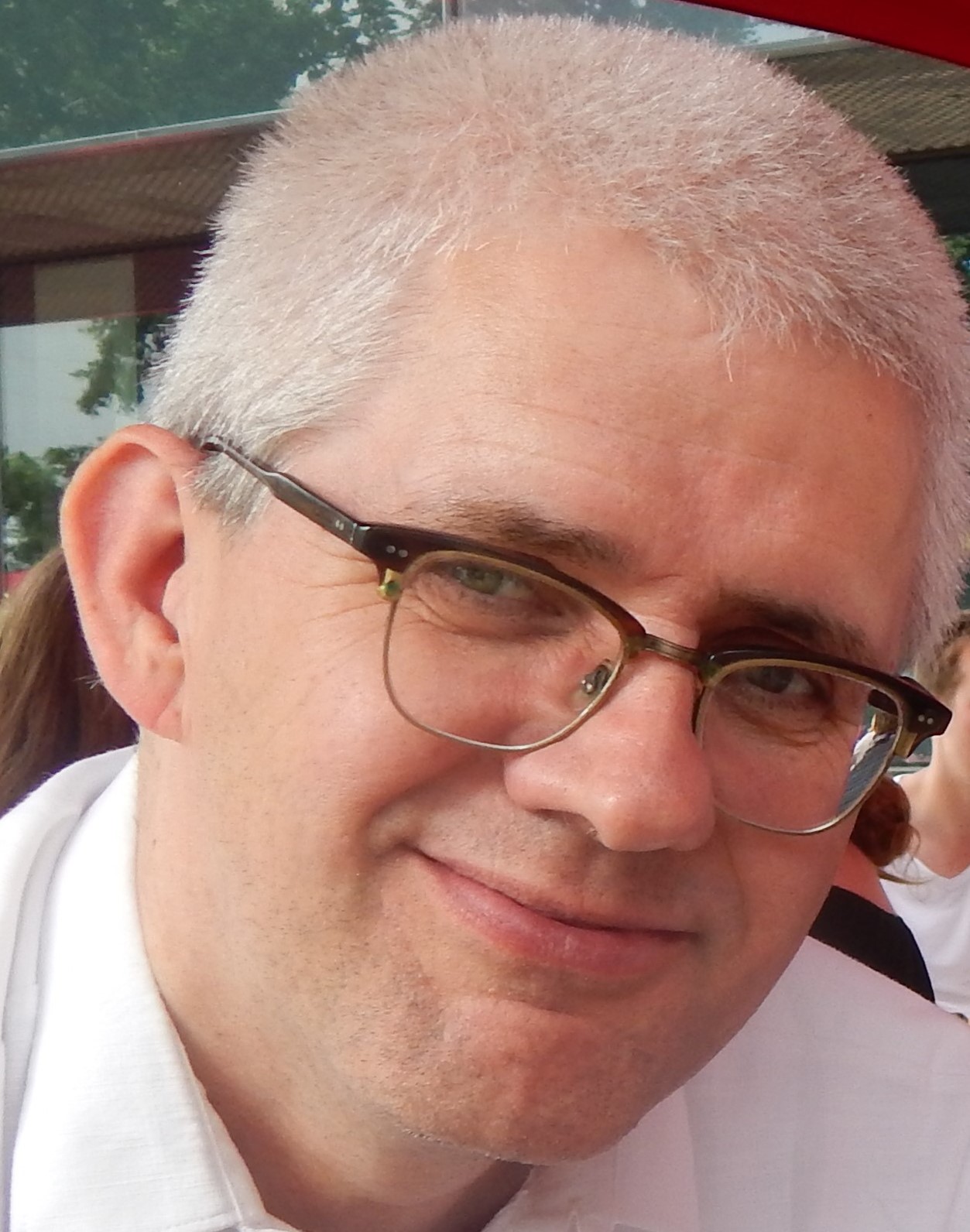
Roger Loo
The Electrochemical Society hosted “Epitaxial Si/SiGe Multilayers for novel logic and memory devices” a live webinar by Roger Loo (imec) on May 6, 2026. A live question and answer session followed. Answers to some of the questions not addressed during the broadcast follow.
Replay webinarQ&A
How do you avoid TSVs (thru silicon vias)?
This presentation did not cover the post epi device fabrication steps. For this question, we kindly refer the audience to the work published by Anabela Veloso et al 2024 ECS Trans. 113 13, https://iopscience.iop.org/article/10.1149/11302.0013ecst
Posted in Webinars
ECS Webinar Q&A: “Cobalt Dissolution from PtxCo/C Cathode Catalysts in PEM fuel cells: In Situ Quantification and Removal Methods”
Posted on May 4, 2026 by Maggie Hohenadel
Markus Schilling
Markus Schilling
Technische Universität München
The Electrochemical Society hosted “Cobalt Dissolution from PtxCo/C Cathode Catalysts in PEM fuel cells: In Situ Quantification and Removal Methods,” a webinar by Markus Schilling (Technische Universität München), on April 15, 2026. A live Question and Answer session followed. Some questions not addressed during the broadcast are answered below.
Replay webinarECS Webinar Q&A: “Challenges in CO2 Reduction Selectivity Measurements by Hydrodynamic Methods”
Posted on April 7, 2026 by Maggie Hohenadel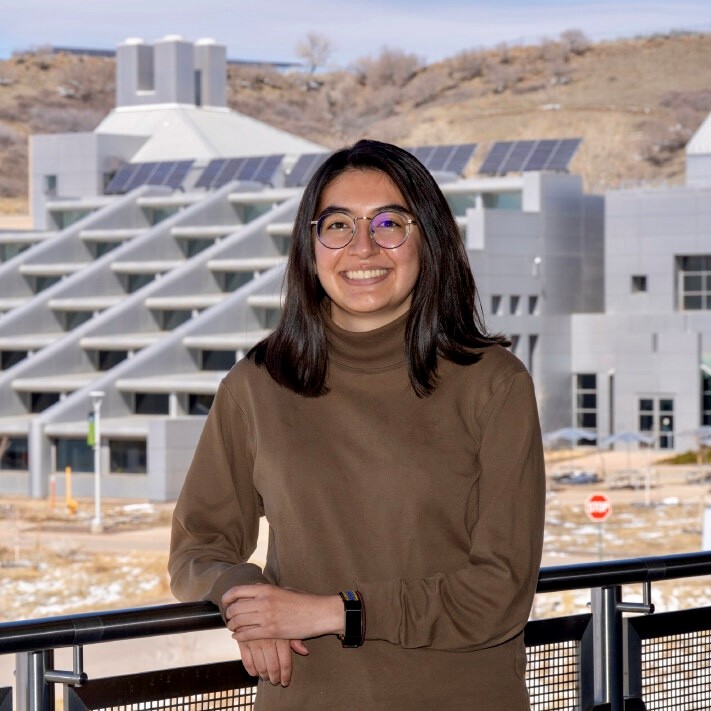
Maria Kelly
Maria Kelly
Sandia National Laboratories
The Electrochemical Society hosted “Challenges in CO2 Reduction Selectivity Measurements by Hydrodynamic Methods,” a live webinar by Maria Kelly (Sandia National Laboratories), on March 18, 2026. A live Question and Answer session followed.
The author’s written responses to questions not addressed during the broadcast follow.
Replay WebinarPosted in Education
ECS Webinar: “Cobalt Dissolution from PtxCo/C Cathode Catalysts in PEM fuel cells: In Situ Quantification and Removal Methods”
Posted on March 20, 2026 by Maggie HohenadelMarkus Schilling
Markus Schilling
Technische Universität München
Date: April 15, 2026
Time: 1000–1100h ET
ECS Webinar: “Challenges in CO2 Reduction Selectivity Measurements by Hydrodynamic Methods”
Posted on February 18, 2026 by Maggie HohenadelECS Webinar Q&A: “Physics-based battery model parametrization from impedance data”
Posted on February 9, 2026 by Maggie Hohenadel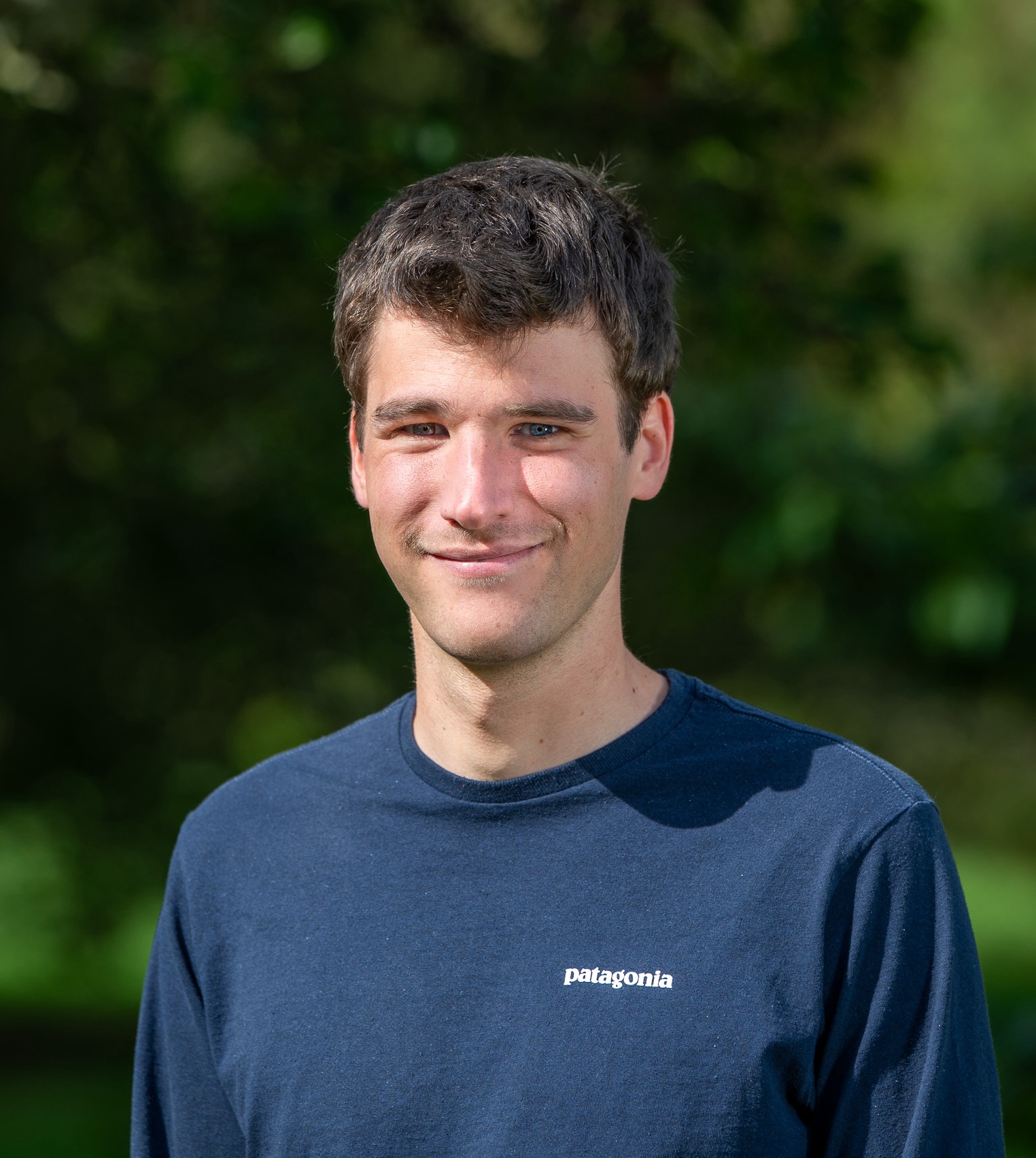
Noël Hallemans
Noël Hallemans
University of Oxford
Date: January 21, 2026
Time: 1000–1100h ET
The Electrochemical Society hosted “Physics-based battery model parametrization from impedance data,” a live webinar by Noël Hallemans (University of Oxford), on January 21, 2026. A live Question and Answer session followed. Answers to some of the questions not addressed during the broadcast follow.
Replay Webinar