

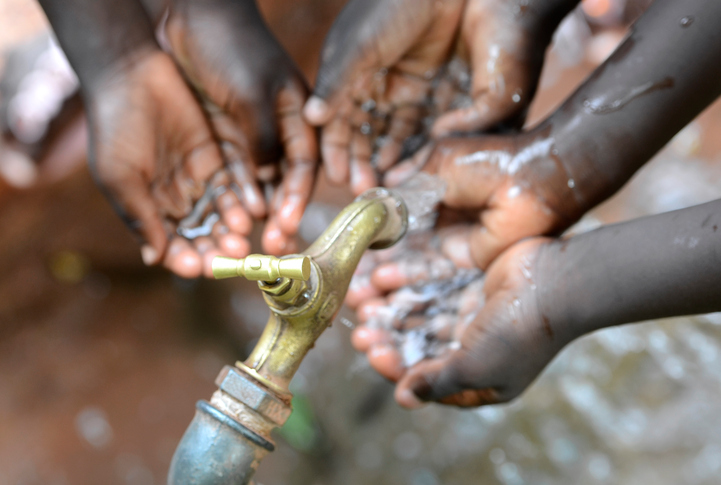
 In an effort to purify water, researchers from the University at Buffalo are using carbon-dipped paper to make dirty water drinkable.
Those behind the research believe this new development could be a cheap and efficient way to address a global shortage in drinking water, specifically in developing areas.
(MORE: See what ECS members are doing to address global water and sanitation issues.)
“Using extremely low-cost materials, we have been able to create a system that makes near maximum use of the solar energy during evaporation,” says Qiaoqiang Gan, lead researcher. “At the same time, we are minimizing the amount of heat loss during this process.”
This from University at Buffalo:
The team built a small-scale solar still. The device, which they call a “solar vapor generator,” cleans or desalinates water by using the heat converted from sunlight. Here’s how it works: The sun evaporates the water. During this process, salt, bacteria, or other unwanted elements are left behind as the liquid moves into a gaseous state. The water vapor then cools and returns to a liquid state, where it is collected in a separate container without the salt or contaminants.
 New technology that mimics the branches and leaves of a cottonwood tree can generate electricity with the help of the wind.
 When a May 2016 crash
  The
The  The American Association for the Advancement of Science (AAAS) is calling on U.S. President Donald Trump to work with the world’s largest scientific organization to ensure the free flow of scientific talent from around the world.
 More than 12,000 academics, including 40 Nobel laureates, have added their names to an
 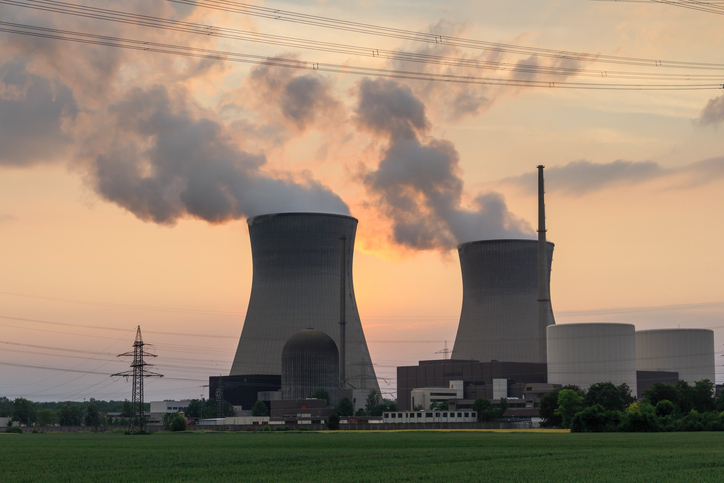 A joint research effort from Rice University and Kazan Federal University is demonstrating a new way to pull radioactive elements out of contaminated water. The researchers behind this study believe their results could go a long way in purifying the hundreds of millions of gallons of water that were contaminated after the Fukushima nuclear plant accident.