
 Recent trends in solar technology have led to transforming mundane surface to energy harvesting powerhouses. First, Elon Musk proposed his new solar roof. Now, rural France is taking a page from that book with the recent paving of paths with solar panels.
The solar road is part of the Wattway projects, which aims to pave nearly 3,000 roadways with solar panel tiles.
According to reports, the 1 kilometer road will produce 767 kWh hours of electricity every day. Because the panels are flat, the amount of energy produced is limited. However, the energy generated is enough to power an average family home for one year.
“We are still experimenting with Wattway,” says Jean-Charles Broizat, CEO of Wattway, in a statement. “Building an application site of this magnitude is a real opportunity for our innovation. This application site has enabled us to improve our process of installing photovoltaic panels as well as their manufacture, in order to optimize our solution as best as possible.”
 Water and energy are inextricably linked. The two have shared a long technological and symbolic connection, which has led to what researchers in the field call the energy/water nexus.
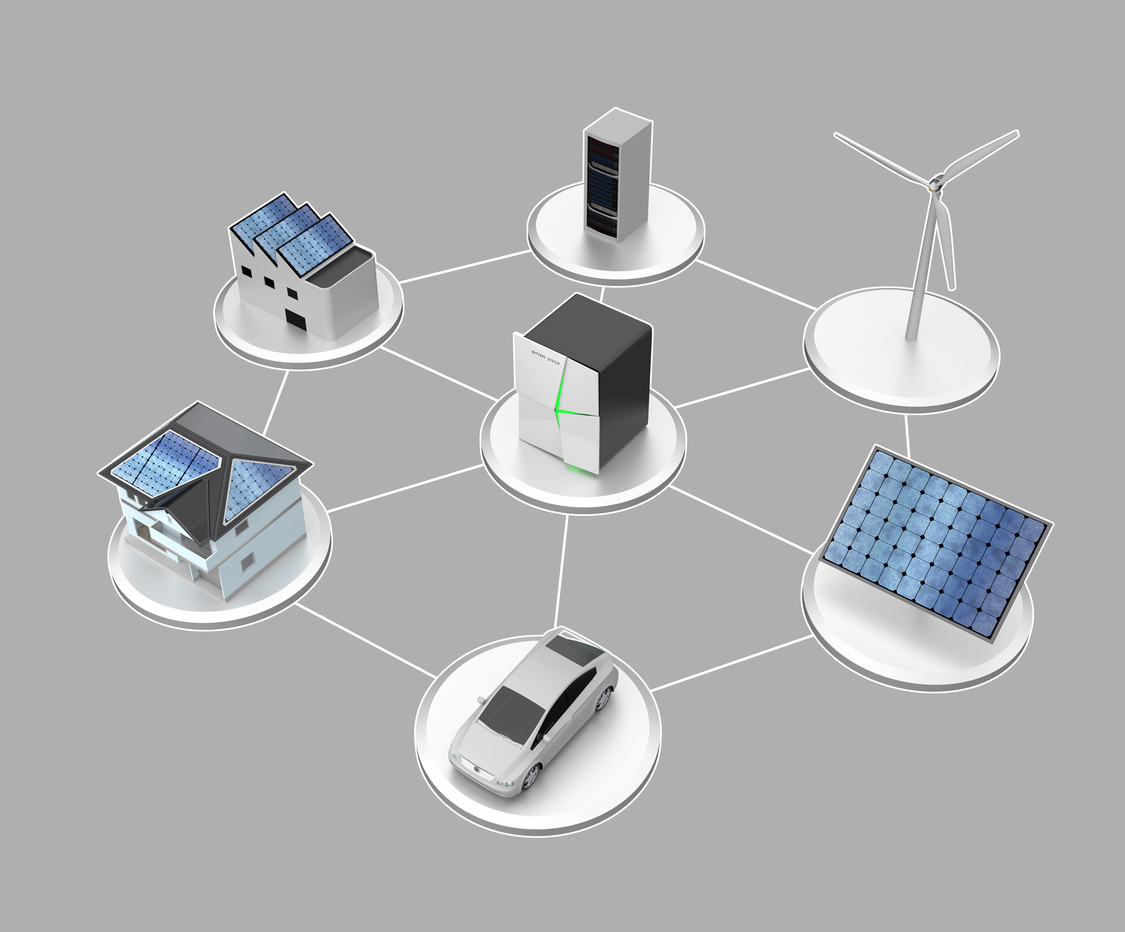 A team of researchers at Case Western Reserve University is building a flow battery prototype to provide cleaner, cheaper power.
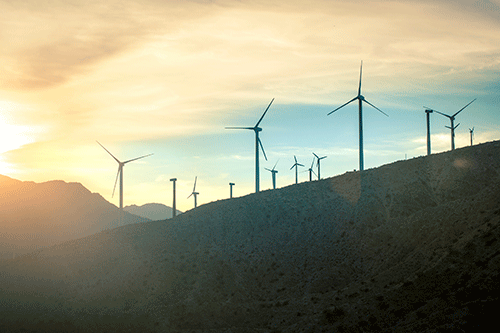 Google is going green.
 Researchers from the University of California, Riverside recently combined photosynthesis and physics to make a key discovery that could lead to
  President…Donald…Trump. For those on both sides of the aisle who vowed “Never Trump!,” that’s going to take some getting used to. On this morning after a stunning election, the first impulse may be to describe the future in apocalyptic phrases. Game over for the climate! Game over for NATO! Game over for the Clean Power Plan! Game over for Planned Parenthood!