
Call for Papers: Printing technologies

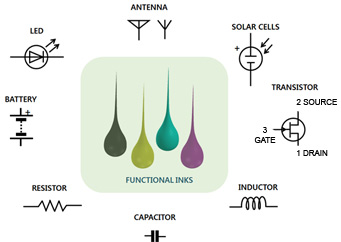
Printable functional materials and devices

This focus issue will cover state-of-the-art efforts that address a variety of approaches to printable functional materials and devices.

Printing technologies in an atmospheric environment offer the potential for low-cost and materials-efficient alternatives for manufacturing electronics and energy devices such as luminescent displays, thin film transistors, sensors, thin film photovoltaics, fuel cells, capacitors, and batteries.

Significant progress has been made in the area of printable functional organic and inorganic materials including conductors, semiconductors, dielectric, and luminescent materials

These will enable exciting advances in printed electronics and energy devices. Some examples are printed amorphous oxide semiconductors, organic conductors and semiconductors, inorganic semiconductor nanomaterials, silicon, chalcogenide semiconductors, ceramics, metals, intercalation compounds, and carbon-based materials.

This focus issue will cover state-of-the-art efforts that address a variety of approaches to printable functional materials and device. The focus issue will include both invited and contributed papers reflecting recent achievements. Prospective authors are encouraged to submit contributions reporting the original research results or reviewing key emerging trends in printable functional materials and devices for publication in this focus issue.

Find out more.

Sensors

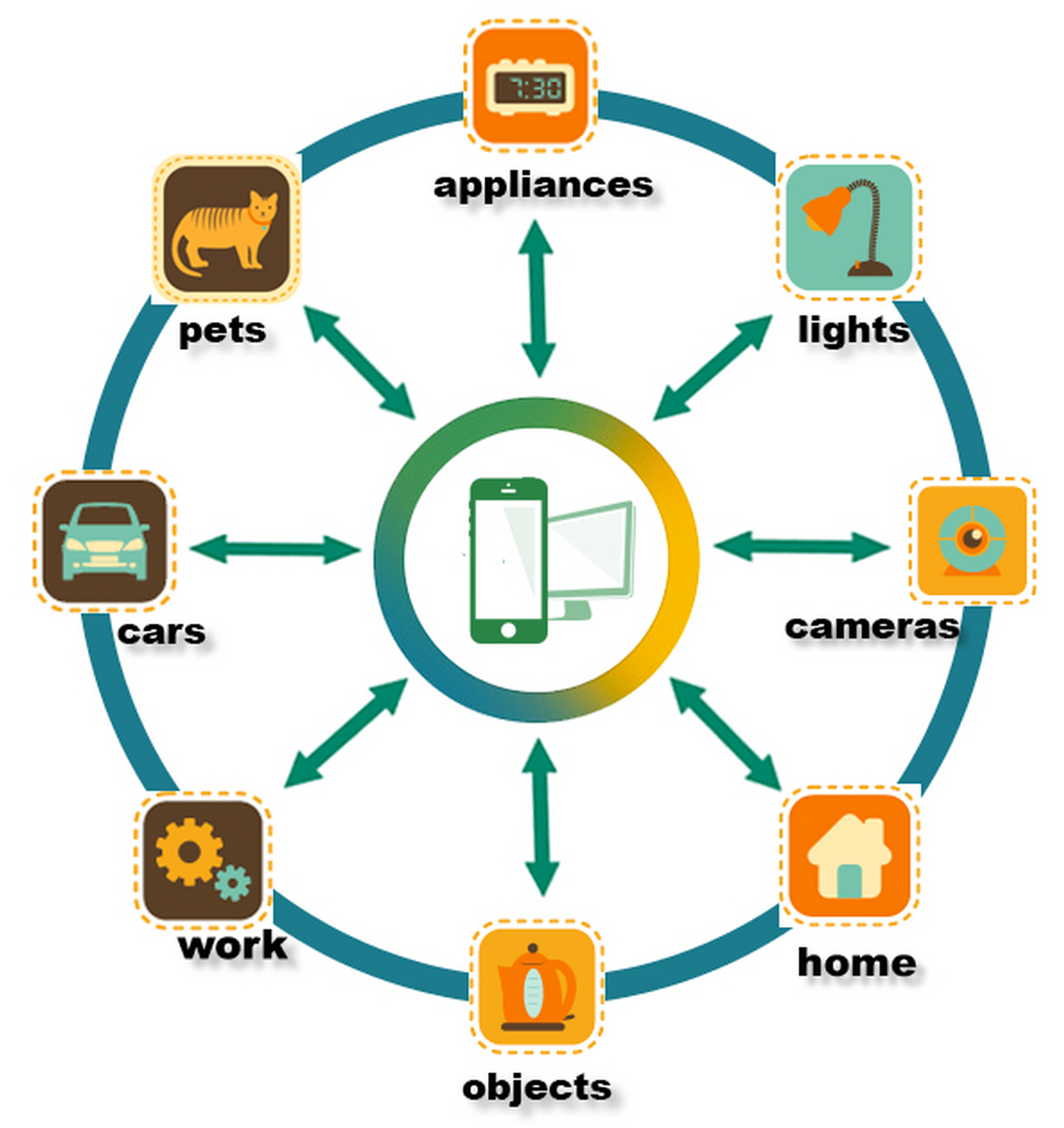
Sensors detect and measure changes in position, temperature, light, etc. and they are necessary to turn billions of objects into data-generating “things” that can report on their status, and in some cases, interact with their environment.

With countless companies adopting the ever growing technology that is the Internet of Things (IoT), it is expected to grow to a multitrillion-dollar market by the year 2020.

The basic concept of IoT is to bring as many things into the digital fold as possible and create an ultimate sense of interconnection through hardware and software – but most importantly, through sensors.

(more…)

  • Page 10 of 10
ECS
Privacy Overview

This website uses cookies so that we can provide you with the best user experience possible. Cookie information is stored in your browser and performs functions such as recognising you when you return to our website and helping our team to understand which sections of the website you find most interesting and useful.