
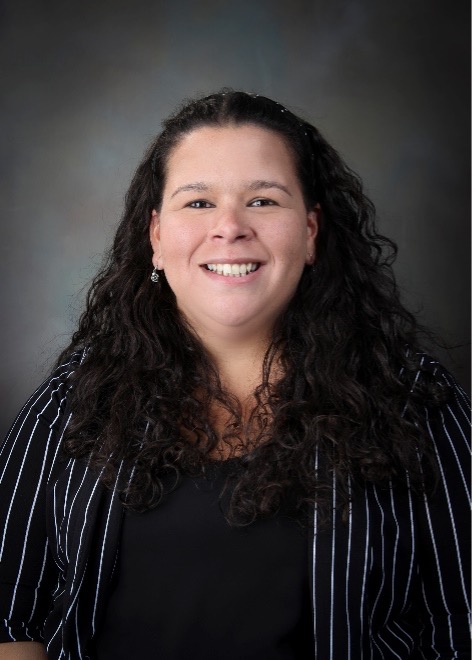
Dr. Loraine Torres-Castro
Physicist Dr. Loraine Torres-Castro, Battery Safety Lead at Sandia National Laboratories, is serving as the lead organizer for the A01—New Approaches and Advances in Electrochemical Energy Systems Symposium at the 249th ECS Meeting in Seattle, WA, this spring.
In a recent interview with ECS staff, Dr. Torres-Castro shared insights into the rewards and complexities of symposium leadership, encouraging colleagues to pursue similar roles. She is part of a dynamic new organizing team—which includes Dr. Yuliya Preger (Sandia National Laboratories) and Prof. Golareh (Goli) Jalilvand (University of South Carolina)—that has introduced a collaborative leadership model. Under this arrangement, the leads rotate each meeting: Dr. Preger led the 248th Meeting symposium, while Prof. Jalilvand is slated to lead it at the 250th.
Learn more about symposium organizing and Dr. Torres-Castro.
What interested you in taking over the symposium? Is this your first time as lead organizer?
Yes, it’s my first time as lead organizer, though I’ve previously served as a co-organizer for this same symposium. A01 is unique because it’s very broad—it’s not limited to batteries and provides a home for researchers who don’t neatly fit into other symposia. I really enjoy the diversity of topics and the new ideas people bring. That openness is exciting.
What was your approach to building the technical program and selecting speakers?
We started by identifying trends and challenges in the field, then invited speakers who could address those topics and actively engage the audience. Invited speakers helped shape the program, and we also advertised targeted topics to encourage submissions. The abstract review for this symposium is now complete. While many abstracts align with our original themes, A01 is so broad that additional topics have naturally emerged, which we are incorporating.
How far in advance did you begin planning? Were you surprised by the timeline?
I started planning in October for a May symposium—about six to seven months in advance. I was surprised to find that it wasn’t enough time. In hindsight, starting earlier would have been better.
Were there resources or mentors that were especially helpful?
There are three main organizers for A01, with one leading each meeting. I relied heavily on the previous lead organizer, Dr. Preger, who led A01 symposium organization for the 248th ECS Meeting. She was incredibly helpful with timing, sponsorships, and navigating the system. ECS also provides clear guidance through PDFs, emails, and meetings that outline expectations and responsibilities.
Did your experience as a co-organizer help prepare you to lead?
Absolutely. One key lesson was the importance of engaging co-organizers. It can feel easier to do everything yourself, but involving others makes the process stronger. As lead, I made a point to keep co-organizers engaged to the extent that they were able and willing.
Why is it important to encourage new people to organize symposia?
Many of the same people organize symposia year after year. Bringing in new organizers introduces fresh ideas and perspectives, including emerging research areas. It helps keep the symposium—and the field—current.
What challenges might first-time organizers expect?
Sponsorship is one challenge—my advice is to be persistent and don’t be afraid to reach out. Clearly explain the symposium’s focus and the value of supporting it.
Another challenge is managing a large number of abstracts. We received about 150 submissions. To handle this, we divided abstracts by topic among co-organizers using a shared spreadsheet and consistent evaluation criteria. That collaboration was essential.
Coordinating schedules among multiple organizers can be difficult, particularly across time zones. We addressed this by prioritizing live conversations over email when possible.
How do you manage symposium organizing alongside a busy career?
Most of the work happens during my personal time. I work four 10-hour days, so Fridays are when I focus on symposium tasks. Occasionally, deadlines require attention during the workweek, and I adjust as needed.
Why do you organize symposia?
My research area is battery safety, which is underrepresented at ECS—there’s typically only one safety-focused symposium every few years. Organizing allows me to elevate that topic and ensure the community is thinking about safety as technologies develop. For example, this spring we’re hosting two full sessions on battery safety. More broadly, I enjoy bringing people together, seeing new research, and connecting with students, academics, and industry professionals. It’s a great networking opportunity.
What makes ECS meetings special to you?
ECS has been my favorite conference since I was an undergraduate. The meetings are more intimate, which makes it easier to interact with researchers you admire. ECS covers the topics I care about most and brings together the people whose work I follow—it’s very accessible.
Have ECS meetings helped you connect with people you admire?
Earlier in my career, definitely. I met Michael Thackeray, whose work I followed closely as an undergraduate. Later, I connected with Jason Croy from Thackeray’s group. Those interactions were memorable and meaningful.
What advice would you give first-time symposium organizers?
Start early. Six to eight months isn’t enough time—starting a year in advance, especially for sponsorships, is ideal.
Don’t be afraid to ask for help. The ECS community—both staff and members—is incredibly supportive. Everyone wants organizers to succeed. It can feel overwhelming, but it’s a rewarding experience.
Why should someone attend the A01 symposium?
A01 offers a broad view of the field, from supercapacitors to lithium ion, solid state, and sodium ion technologies. It’s ideal for anyone who wants a big-picture perspective, and we have excellent invited speakers.