Section Q: The Electrochemical Society’s Secret Society of Shenanigans

250 meetings over 124 years; that’s a lot of gatherings and a lot of science. But it wasn’t all work. Here are some memorable examples of some of the entertainment that meeting participants enjoyed.*

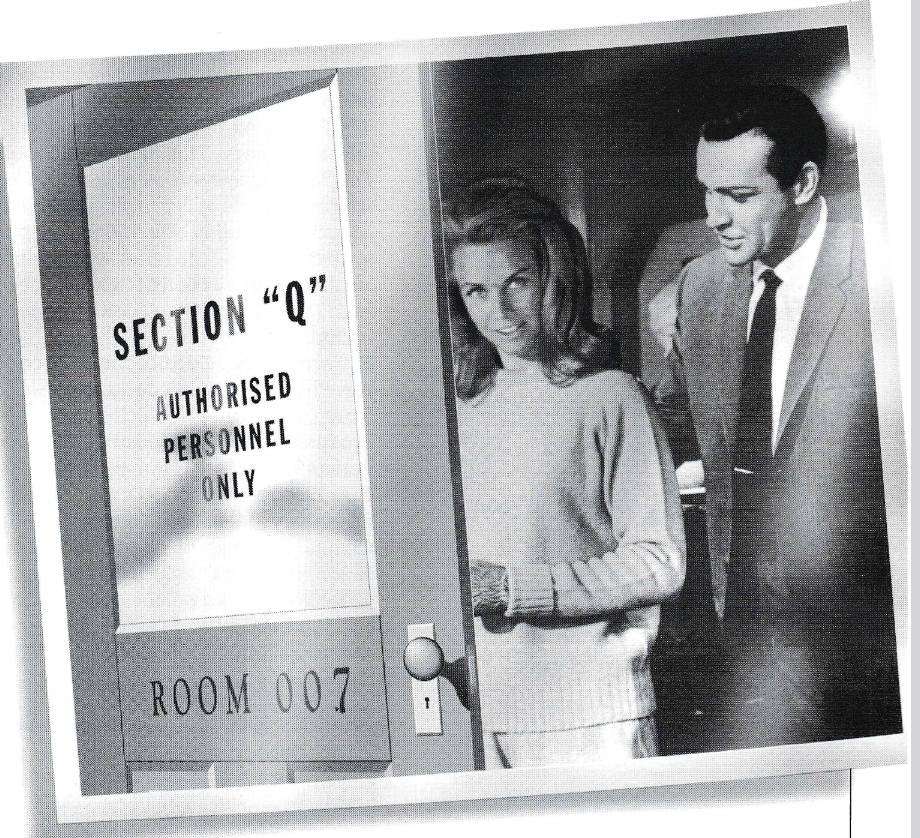
Section Q hatches

In 1907, The Electrochemical Society (ECS) agreed that sections should give members opportunities for “having papers read and discussions on technical subjects.” The earliest sections formed in Philadelphia, New York City, and Madison, WI. But not every section was interested in technical discussions. (more…)

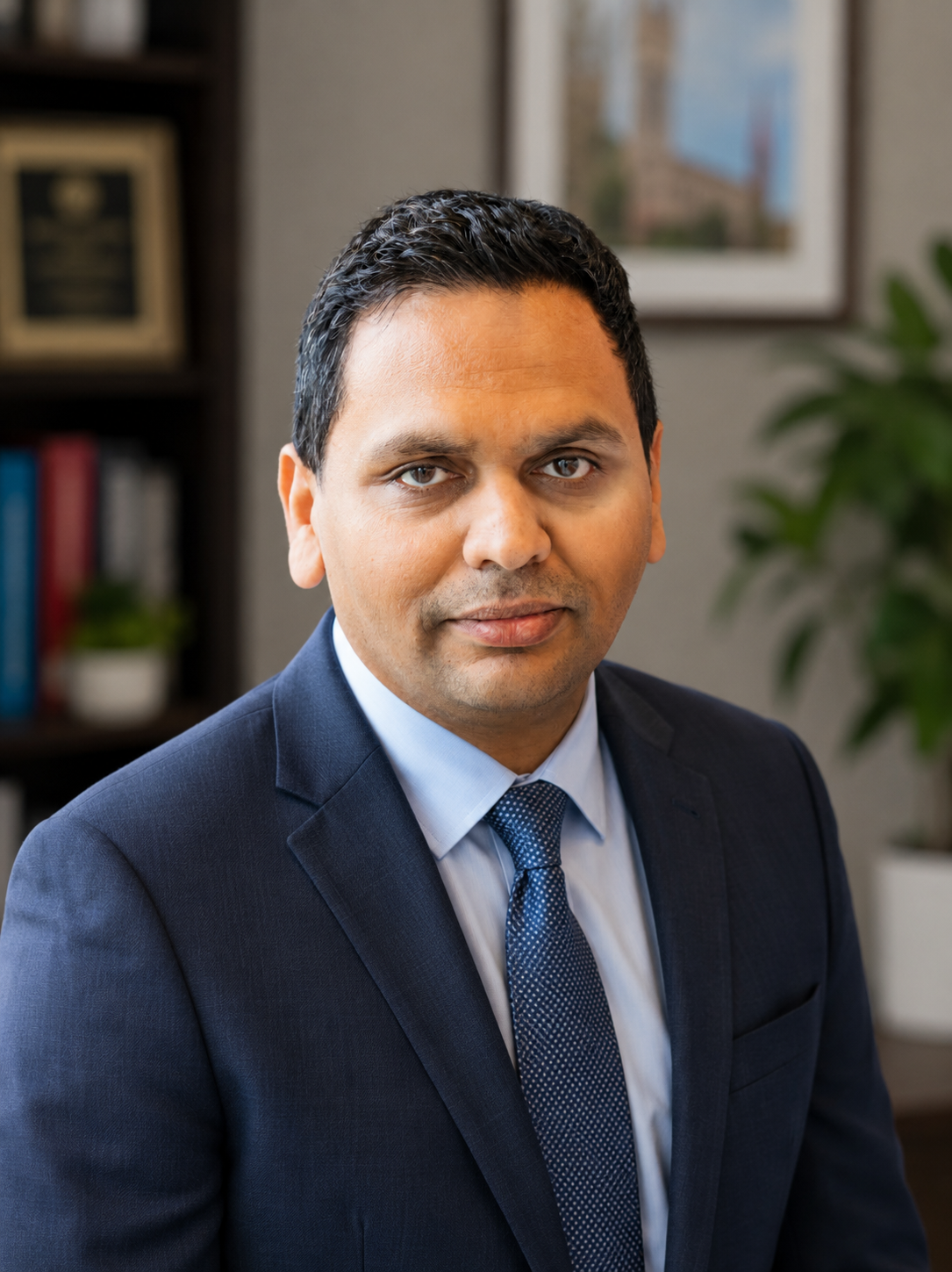
E. Jennings (EJ) Taylor

E. Jennings (EJ) Taylor

“Celebrating Electrochemical and Solid State Science Innovations: Commercialization of Electrochemical Processes and Products”

When different ECS Divisions repeatedly asked EJ (E. Jennings) Taylor1 to deliver talks at symposia on commercializing scientific innovations, he began to wonder, “Why not combine these different symposia into one multi-division symposium?”2 Since solving so many of the world’s grand challenges requires interdisciplinary collaboration, an international symposium that brings together researchers at different career stages and across different disciplines could help streamline the path from invention to market while supporting ECS’s vision to “accelerate scientific discovery and innovation”—a foundational aspect of the Society’s mission.

EJ feels strongly that researchers need more support in bridging the “Valley of Death”the challenge of successfully bringing a promising idea or technology to market. “When I talk about the broader challenges of commercialization, people always respond, ‘I’ve encountered similar challenges in taking technology from lab to market.’ These challenges occur across all disciplines of electrochemical and solid state science and technology. Z02 was conceived to address the common challenges of technology commercialization.” (more…)

From One to 250 – Part 1

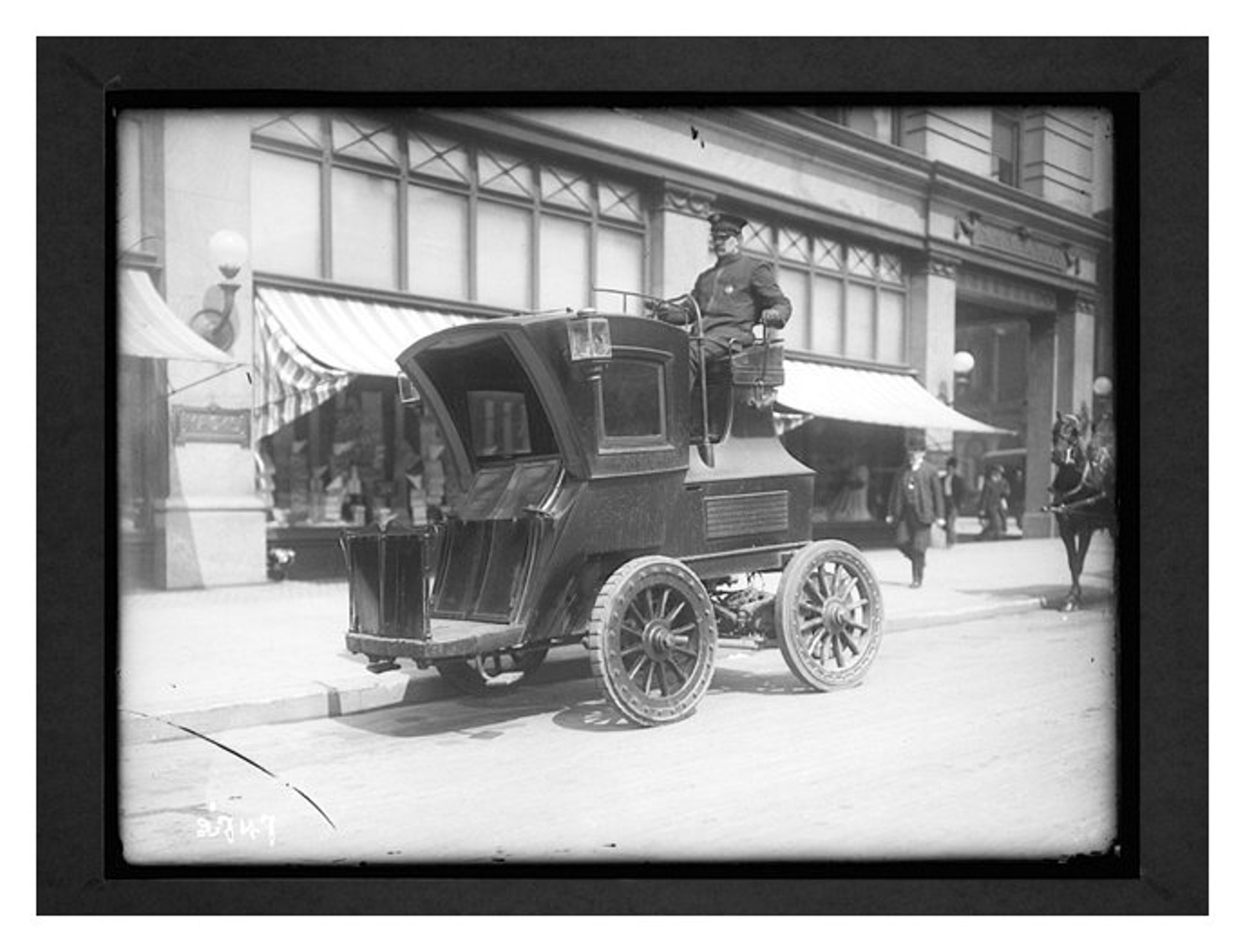
An Electrobat cab

An Electrobat cab

A brief history of the first ECS Meeting

The newly formed American Electrochemical Society (which would become The Electrochemical Society) held its first meeting  from April 3–5, 1902.* Earlier, Charles John Reed III, an independent electrochemistry consultant, had proposed creating a new electrochemistry section of the American Chemical Society (ACS). When ACS dragged its heels, Reed appealed to Joseph W. Richards, Professor of Metallurgy at Lehigh University, who agreed to become involved. Reed, Roberts, Carl Hering, E. F. Roeber, Samuel P. Sadtler, and William H. Wahl sent 30 letters to engineers, chemists, and scientists, which said:

“The rapidly growing importance of the subject of electrochemistry and the want of suitable occasions in this country for the discussion of papers and questions pertaining thereto by those specially interested have suggested the advisability of founding a National Electrochemical Society…”1

(more…)

Remembering Rudolph Marcus

ECS Mourns Passing of Nobel Laureate and Community Member

Rudolph Marcus

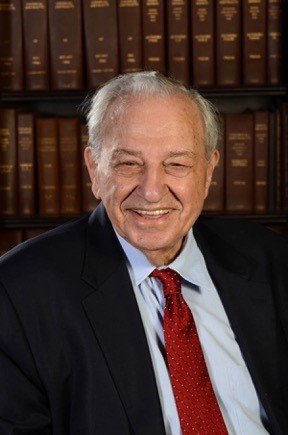
Rudolph Marcus, who was born on July 21, 1923, passed away on July 16, 2026. Through his long career, Dr. Marcus inspired generations of electrochemists. His contributions will continue to inspire generations to come—just as he did at the 182nd ECS Meeting, where he received the call informing him that he had been awarded the Nobel Prize in Chemistry.

On October 14, 1992, Dr. Marcus was presenting his second paper, “Electron Transfer Across Interfaces,” at the 182nd ECS Meeting in Toronto, Canada, when an urgent call, purporting to be from the Royal Academy of Science in Stockholm, came into the office for him.1 Rather than interrupt Dr. Marcus for what could be a prank, the office called the Academy. Yes, the call was real. However, Stockholm refused to say what they were calling about! (more…)

Esther Takeuchi

Esther Takeuchi

Takeuchi to Present ECS Lecture at 250th Meeting

Esther Takeuchi (SUNY Distinguished Professor and William and Jane Knapp Chair in Energy and the Environment at Stony Brook University and Chief Scientist and Chair of the Interdisciplinary Science Department at Brookhaven National Laboratory) will present the ECS Lecture—“Electrochemistry: A Keystone of the Energy Future”—at the 250th ECS Meeting Plenary Session. Her participation is especially fitting as ECS celebrates its 250th meeting since its founding in 1902. As she noted, “Scientific participation and scientific discovery is a marathon, not a sprint; you have to be in it for the long haul. I think that idea is very reflective of the Society and its members.”1

Holding more than 150 patents and in the National Inventors Hall of Fame, Prof. Takeuchi is best known for developing the lithium/silver vanadium oxide (Li/SVO) battery used in implantable cardioverter-defibrillators (ICDs), more than 150,000 of which are implanted annually in the United States.2  

An ECS member for over 40 years and Society President from 2011 to 2012, Prof. Takeuchi credits ECS with fostering connections across disciplines, sectors, and countries. In a conversation with ECS staff in June 2026, she discussed the themes of her ECS Lecture and the evolving role of electrochemistry in addressing global energy challenges. (more…)

One of Nobel laureate Dr. M. Stanley Whittingham’s earliest memories of ECS (he’s been a member for more than 50 years!) dates back to receiving a Young Author Award: “…when I got a Young Author Award and went to the Shamrock Hotel in Houston, the reception was around the pool, and the Texas Rangers came on their horses. And that was amazing!”1, 2

(more…)

ECS 249: Z05 Young Researchers in Western North America – A Special Symposium and Workshop

The Z05 Symposium and Workshop takes place on Sunday and Monday, May 2425, 2026, in Seattle, WA, during the 249th ECS Meeting. The symposium includes three expert panels from academia and industry, offering graduate students and postdocs valuable insights into career paths and professional development in the ever-evolving field of electrochemistry. Nobel laureate M. Stanley Whittingham is featured in the third panel.

The symposium is designed to:

  • Strengthen the academic and professional network of early-career researchers across Western North America;

  • Foster meaningful connections among scientists and engineers;

  • Introduce relevant research grant opportunities;

  • Provide space for participants to share their work and experiences.

Panelists will be available during coffee breaks to provide feedback and engage in networking discussions.   (more…)

Tyra Lewis

Tyra Lewis

Their experiences reveal not just what happens at the meetings, but why they matter—and barriers that can make participation challenging.

Thanks to these ECS Student Chapter student members for sharing what it’s like to attend ECS Meetings!

  • Mohammed Abdullah Al Murisi (President, ECS University of South Carolina Student Chapter, US) attended and presented talks and posters at the 245th and 248th Meetings.
  • Rose Yesl Lee (President, ECS University of Washington Student Chapter, US) presented a talk at 2024 PRiME.
  • Tyra Lewis (Vice President, ECS Ontario Tech University and Trent University Student Chapter, Canada) presented talks at three meetings, the 241st and 247th, and virtual 239th ECS Meeting with the 18th International Meeting on Chemical Sensors (IMCS).
  • Krzysztof Wojno (Vice President, ECS Gdansk Tech Student Chapter, Poland) has not yet attended an ECS Meeting but is very eager to do so!

(more…)

249th Meeting ECS Lecturer Talks Yesterday, Today, and Tomorrow

Joseph Wang

Joseph Wang | 249th ECS Plenary/ECS Lecturer

Joseph Wang (SAIC Endowed Chair, Distinguished Professor of Chemical and Nanoegineering, Director of the Center of Wearable Sensors, and Co-Director, Center for Mobile-health Systems at the University of California San Diego) insists that his research has always focused simply on “solving problems.” Yet his work over the past 40 years has transformed the fields of wearable sensors, nanomachines, and medical diagnostics. He advanced field-based environmental monitoring and forensics by introducing “green” electrodes as non-toxic alternatives to mercury for detecting heavy metals, as well as remote submersible sensors for detecting explosives and gunshot residue. He is also expanding innovative technologies to detect, monitor, and treat disease and promote health—including minute rapidly moving catalytic nanorobots that deliver medication precisely where it is needed!

Dr. Wang is consistently ranked as one of the top engineers and top electrochemists in the world (190,000+ citations). One on one, he is charming—just ask the 800+ aspiring scientists who have graced his labs! Or learn more about his life and work in this interview leading up to his presenting the ECS Lecture, “Wearable Bioelectronic Platforms,” at the 249th ECS Meeting Plenary Session.

Read on and join us—and Joe—in Seattle, WA US, from May 24–28, 2026!


(more…)

Dr. Loraine Torres-Castro

Physicist Dr. Loraine Torres-Castro, Battery Safety Lead at Sandia National Laboratories, is serving as the lead organizer for the A01—New Approaches and Advances in Electrochemical Energy Systems Symposium at the 249th ECS Meeting in Seattle, WA, this spring.  

In a recent interview with ECS staff, Dr. Torres-Castro shared insights into the rewards and complexities of symposium leadership, encouraging colleagues to pursue similar roles. She is part of a dynamic new organizing team—which includes Dr. Yuliya Preger (Sandia National Laboratories) and Prof. Golareh (Goli) Jalilvand (University of South Carolina)—that has introduced a collaborative leadership model. Under this arrangement, the leads rotate each meeting: Dr. Preger led the 248th Meeting symposium, while Prof. Jalilvand is slated to lead it at the 250th. 

Learn more about symposium organizing and Dr. Torres-Castro.

(more…)

  • Page 1 of 19
ECS
Privacy Overview

This website uses cookies so that we can provide you with the best user experience possible. Cookie information is stored in your browser and performs functions such as recognising you when you return to our website and helping our team to understand which sections of the website you find most interesting and useful.