
Tyra Lewis
Their experiences reveal not just what happens at the meetings, but why they matter—and barriers that can make participation challenging.
Thanks to these ECS Student Chapter student members for sharing what it’s like to attend ECS Meetings!
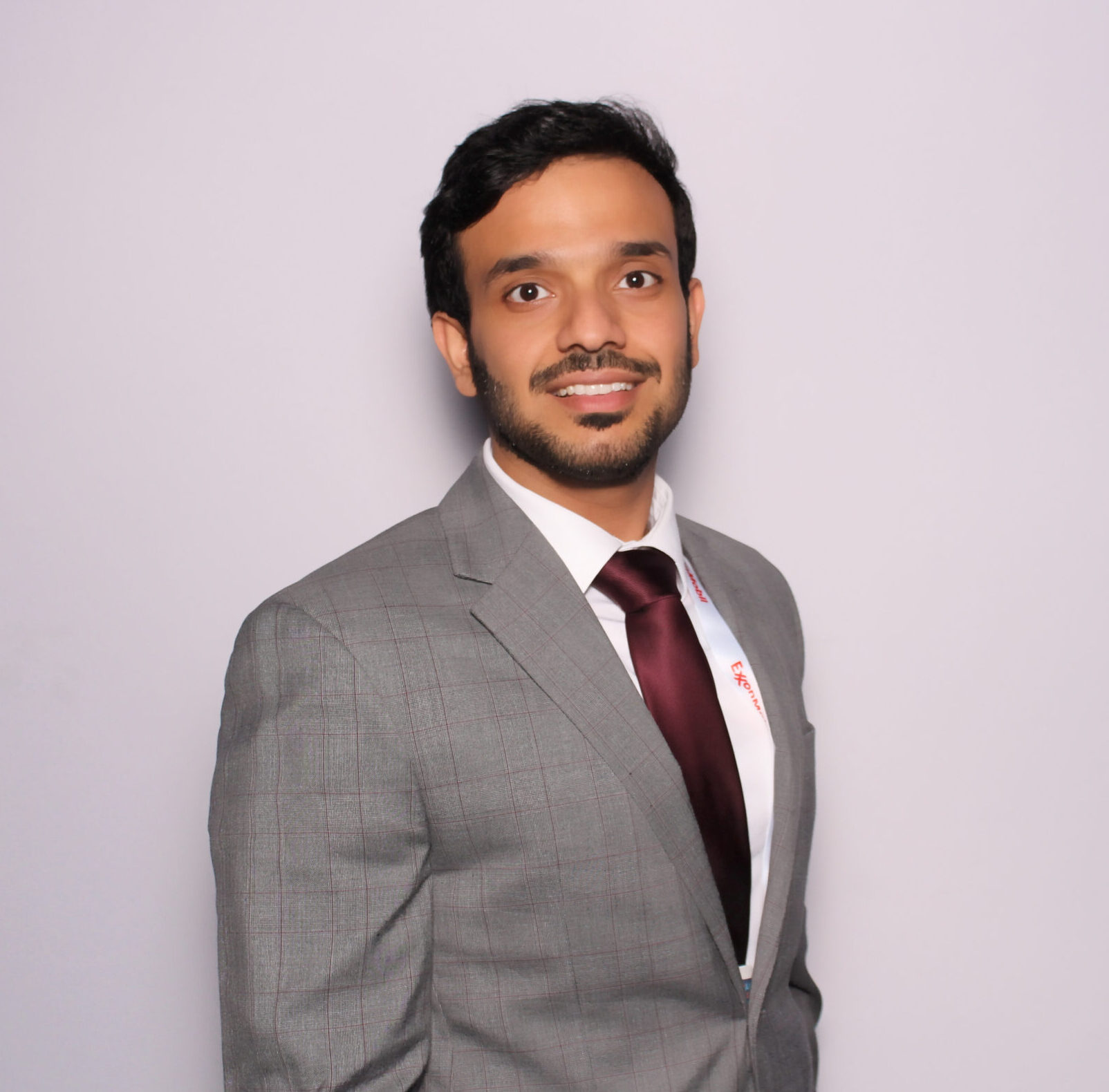
- Mohammed Abdullah Al Murisi (President, ECS University of South Carolina Student Chapter, US) attended and presented talks and posters at the 245th and 248th Meetings.
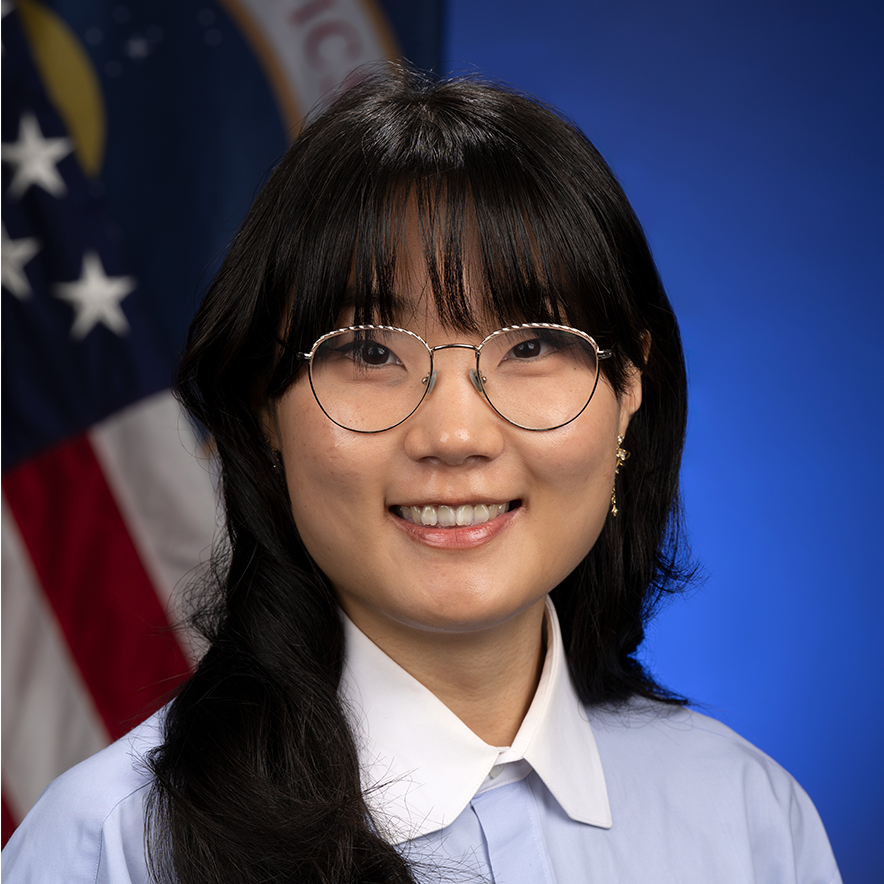
- Rose Yesl Lee (President, ECS University of Washington Student Chapter, US) presented a talk at 2024 PRiME.
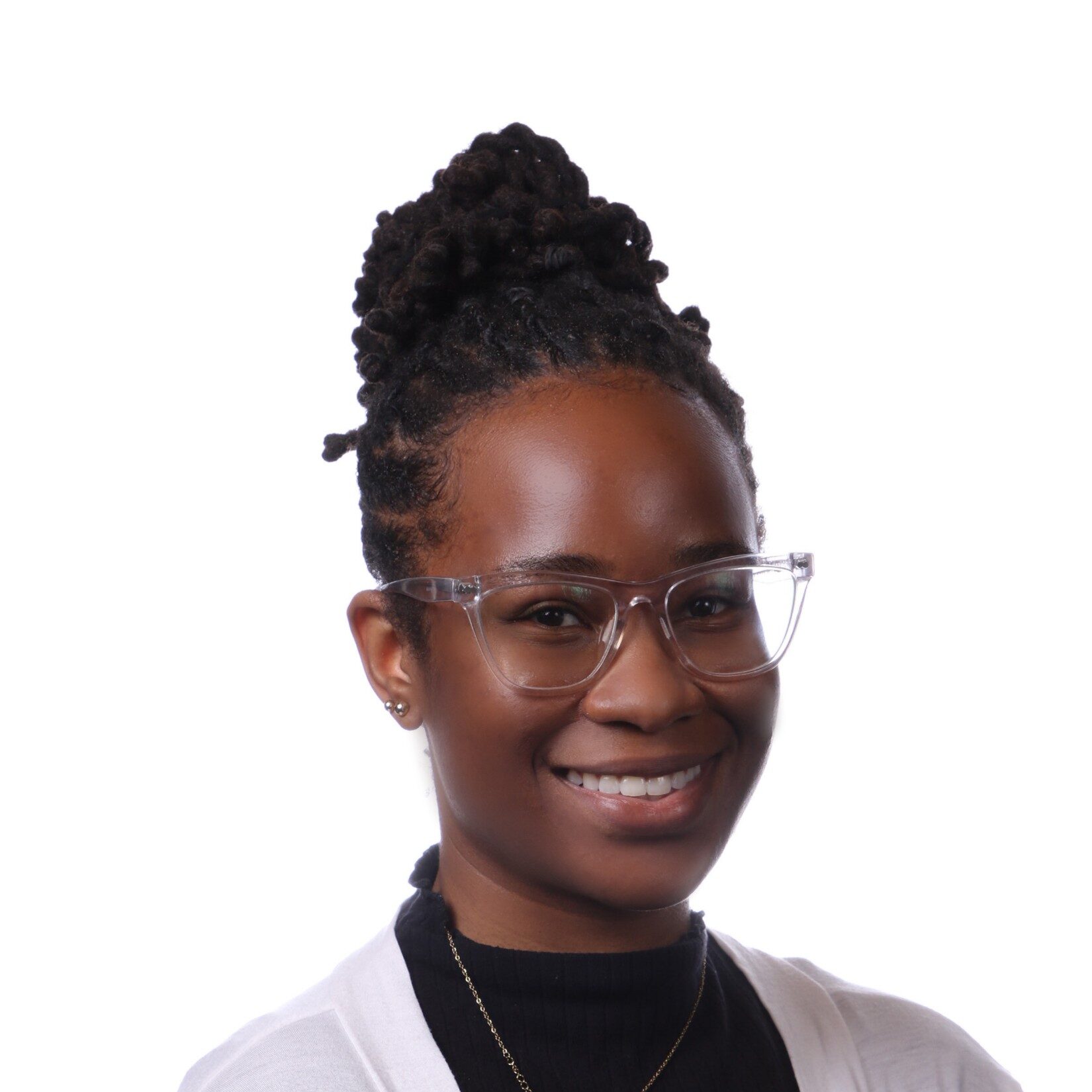
- Tyra Lewis (Vice President, ECS Ontario Tech University and Trent University Student Chapter, Canada) presented talks at three meetings, the 241st and 247th, and virtual 239th ECS Meeting with the 18th International Meeting on Chemical Sensors (IMCS).
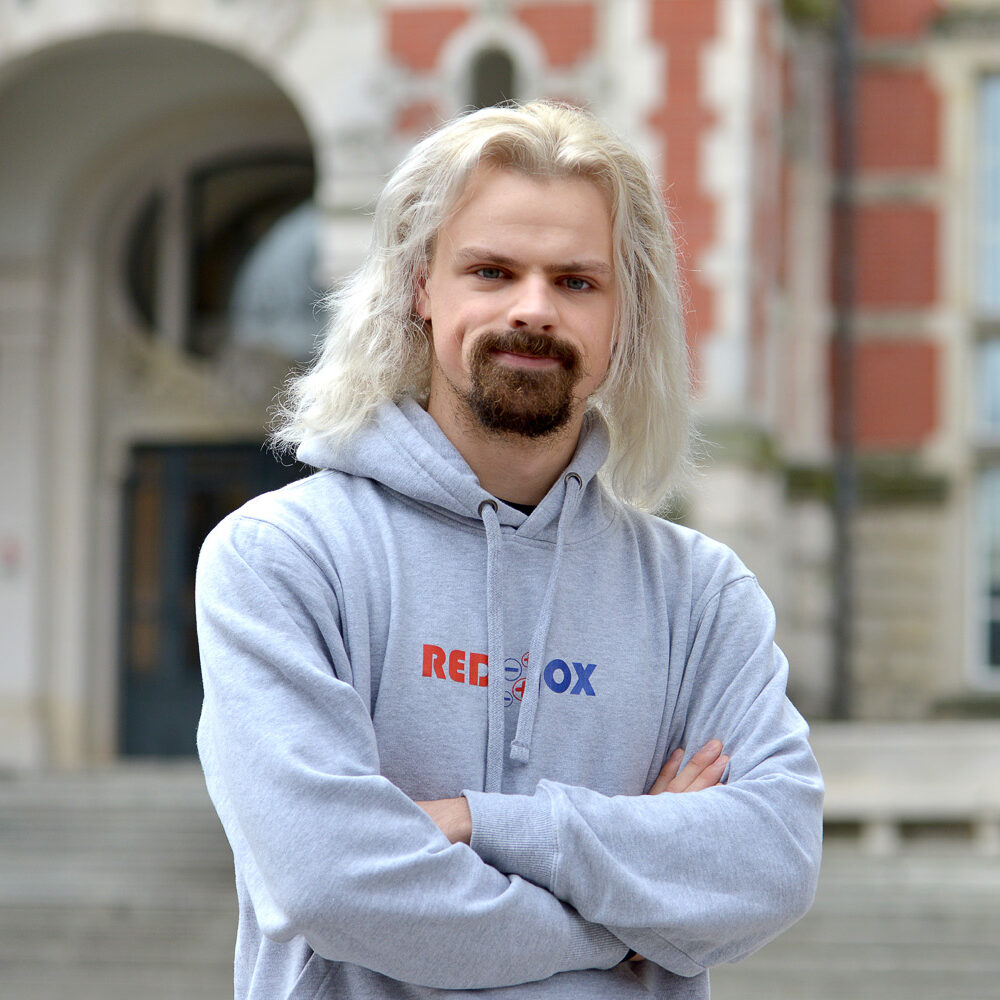
- Krzysztof Wojno (Vice President, ECS Gdansk Tech Student Chapter, Poland) has not yet attended an ECS Meeting but is very eager to do so!
How do you choose which symposia to attend?
Mohammed Abdullah Al Murisi
MOHAMMED: ECS brings electrochemists from around the world together—researchers whose work I had only read before. I mainly focus on their fuel cells electrolyzer symposia, since that’s my field, but I also explore batteries and energy storage devices. I like to stay open and visit different symposia.
TYRA: I mostly attended sessions aligned closely with my research interests, such as analytical chemistry, electroorganic chemistry, or bioelectrochemistry.
ROSE: At PRiME, I mostly stuck to symposia that overlapped with my research, such as energy systems and lithium ion and metal batteries. In Seattle at the 249th ECS Meeting, I plan to attend sessions related to my work—and the ones where my friends present.
Were you excited to hear certain speakers?
MOHAMMED: Absolutely! There are really good speakers. Even talks outside my immediate area can spark new ways of thinking. I’ve met researchers whose papers I admired, introduced myself, and even made connections that led to valuable research tools and collaborations. Sometimes you think, “Why should I attend this talk? It’s outside my area.” But every talk, even though it might not help you right away, will open doors for you to think in a different way in the future. That’s why I’m keen to not just focus on my discipline, but to attend different talks by different speakers.
Rose Yesl Lee
ROSE: I really enjoyed the ECS Charles W. Tobias Young Investigator Award address by Dr. Betar Gallant (Massachusetts Institute of Technology). As a PhD student with a similar thesis topic, it was exciting to hear about robust quantitative characterization efforts in Li metal batteries. I was inspired by how cohesive the presentation was scientifically, narratively, and visually.
What events stood out?
TYRA: The plenary sessions were insightful, and ECS Canada Section events like the Annual General Meeting* and Reception, offered great learning and networking opportunities.
MOHAMMED: I love the poster session. The first time I submitted an abstract for a poster, I thought it wasn’t a big deal; you have to stand around for two hours; and you’ll be bored! Then my professor, William Mustain, told me, “You’ll find this part of the conference especially enjoyable.” I did it and loved presenting! There’s time for real conversations and meaningful connections—more so than during a formal presentation.
ECS University of Washington Student Chapter and the 249th ECS Meeting
ROSE: Our chapter is cohosting Z05—Young Researchers in Western North America: A Special Symposium and Workshop alongside the ECS Pacific Northwest Section, ECS San Diego Student Chapter, and ECS Canada Section. The goal is to spotlight the voices of early-career researchers, strengthen academic and professional networks, and spark regional collaborations. The planning committee has been meeting weekly since November 2025, so I’m excited to see it all come together. As an early-career researcher myself, I’m looking forward to building my network!
Krzysztof Wojno
Also, I’m presenting two posters at the meeting and will accept the 2025 Student Chapter of Excellence Award on behalf of our chapter. This recognition acknowledges our active membership, workshops, and outreach to promote electrochemistry in our community.
Will we see you at 249 in Seattle?
TYRA: I won’t be attending, but members of our chapter will be there. ECS travel grants made a huge difference for me in the past and were greatly appreciated. Participation is a great way to connect with other chapters and share ideas.
KRZYSZTOF: Neither I nor our chapter members have attended an ECS Meeting. We would very much like to participate in the future, as the meetings are excellent opportunities for scientific exchange, networking, and gaining broader perspective within the electrochemical community. However, the primary barrier for us is the cost of international travel and participation.
Has your chapter ever held an event/gathering related to an ECS Meeting?
MOHAMMED: In our monthly ECS battery seminars, we organize practice sessions for students preparing to present. Experienced members and faculty share advice, and new presenters get valuable feedback.
ROSE: Before my time, our chapter hosted ECS Hack Week, where participants learned Python and collaborated on data science projects. Impedance.py is something I use every day in my research!
Lifelong connections through meetings
MOHAMMED: Networking at ECS Meetings is one of the Society’s most powerful aspects. You meet leaders in the field, gain new perspectives, and build relationships that shape your research and your career. The impact goes beyond the meeting; it stays with you!
ECS Student Chapters
The Society now hosts 163 ECS Student Chapters in Asia, China, Europe, India, the Middle East, North and South Africa, North and South America, and Scandinavia! Find out about your local chapter—or how to start one at your school!
* The ECS Canada Section 2026 Annual General Meeting is part of the section’s spring meeting on May 29, 2026, at the University of British Columbia in Vancouver, BC.