Wolfram|Alpha is a computational search engine that uses an extensive collection of built-in data and algorithms to answer computation questions using a web-browser interface. It is a free website designed by the programmers behind the Mathematica software package. www.wolframalpha.com
NREL MatDB
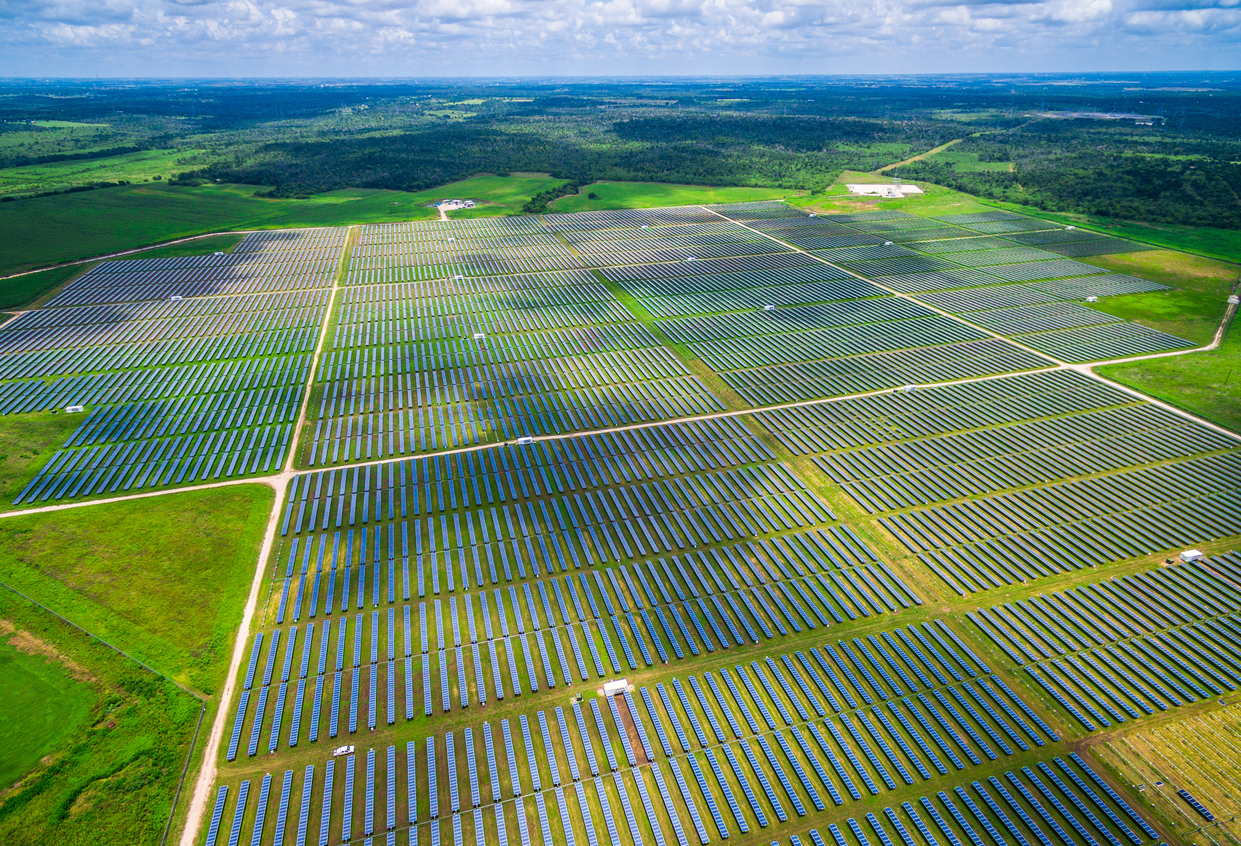
NRELMatDB is a computational materials database that primarily contains information on materials for renewable energy applications such as photovoltaic materials, and materials for photo-electrochemical water splitting. This website is a growing collection of computed properties of stoichiometric and fully ordered materials. It is a very useful database for those needing comparative data.
NREL (National Renewable Energy Laboratory) www.materials.nrel.gov
Without knowing it, most Americans rely every day on a class of chemicals called per- and polyfluoroalkyl substances, or PFASs. These man-made materials have unique qualities that make them extremely useful. They repel both water and grease, so they are found in food packaging, waterproof fabric, carpets and wall paint.
PFASs are also handy when things get heated. Consumers value this property in nonstick frying pans. Government agencies and industry have used them for decades to extinguish fires at airports and fuel storage facilities.
However, widespread use of PFASs has led to extensive contamination of public water systems. Today, these substances can be found in the blood serum of almost all U.S. residents. Exposure to PFASs has been linked to kidney and testicular cancer, as well as developmental, immune, hormonal and other health issues.
But removing them from the environment is not easy. Chemical bonds between fluorine and carbon – the backbone of PFAS molecules – are extremely strong. PFASs can be removed from water by filtering them out, but the used filters have to be disposed of afterwards, and landfilling only transfers the problem to another location. The best solution to the problem is to break down PFASs completely – and on that score, we’re making progress.
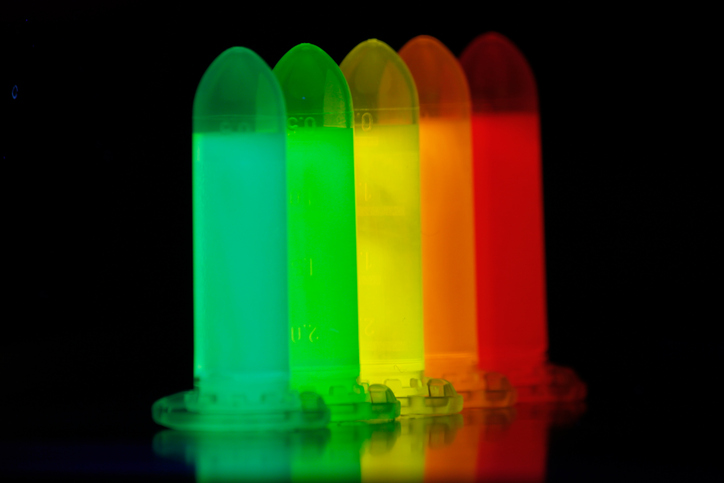
Tiny crystals called quantum dots are used in LCD TVs to enhance color and image quality. A few years ago, scientists discovered a new type of crystal called nanoplatelets.
Like quantum dots, these two-dimensional structures are just a few nanometers in size, but have a more uniform flat, rectangular shape. They are extremely thin, often just the width of a few atomic layers, giving the platelets one of their most striking properties—their extremely pure color.
Now scientists have solved the mystery of out how these platelets form—and then created them in the lab using pyrite.
“We now know that there’s no magic involved in producing nanoplatelets, just science,” says David Norris, a materials engineering professor at ETH Zurich.
But, at a practical level, science funding from all sources supports research projects, the people who work on them and the businesses that provide the equipment, materials and services used to carry them out. Given current proposed cuts to federal science funding – the Trump administration has, for instance, proposed a 20 percent reduction for the National Institutes of Health – it’s important to know what types of people and businesses are touched by sponsored research projects. This information provides a window into the likely effects of funding cuts.
Most existing research into the effects of science funding tries to quantify research artifacts, such as publications and patents, rather than tracking people. I’ve helped to start an emerging project called the UMETRICS initiative which takes a novel approach to thinking about innovation and science. At its core, UMETRICS views people as key to understanding science and innovation – people conduct research, people are the vectors by which ideas move around and, ultimately, people are one of the primary “products” of the research enterprise.
UMETRICS identifies people employed on scientific projects at universities and the purchases made to carry out those projects. It then tracks people to the businesses and universities that hire them, and purchases to the vendors from which they come. Since UMETRICS relies entirely on administrative data provided by member universities (now around 50), the U.S. Census Bureau and other naturally occurring data, there are no reporting errors, sample coverage concerns or burden for people. It covers essentially all federal research funding as well as some funding from private foundations.
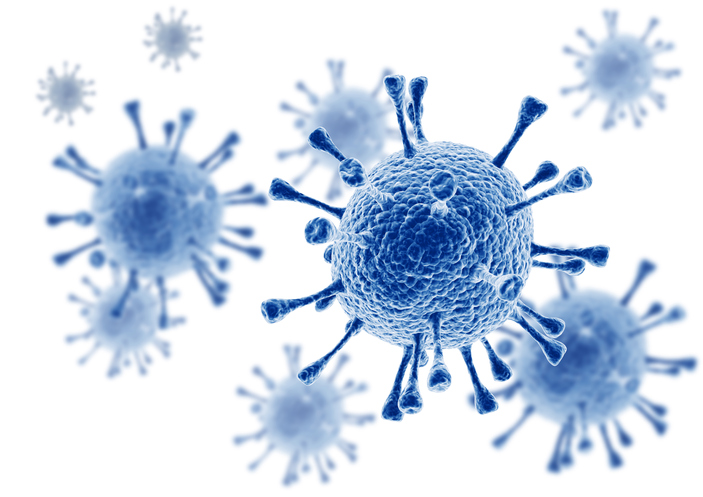
The estimated total number of bacteria of the planet is estimated at five nonillion, and the world of bacteria is stocked with potential, including electrical production.
Researchers from the University of California are looking to tap into some of that potential by looking at “electrogenic” bacteria, which generate current as part of their metabolism. The research team has found a new way to mimic that ability upon non-electrogenic bacteria, opening up opportunities for new developments in sustainable electricity generation and wastewater treatment.
“The concept here is that if we just close the lid of the wastewater treatment tank and then give the bacteria an electrode, they can produce electricity while cleaning the water,” says Zach Rengert, co-first author of the study. “And the amount of electricity they produce will never power anything very big, but it can offset the cost of cleaning water.”
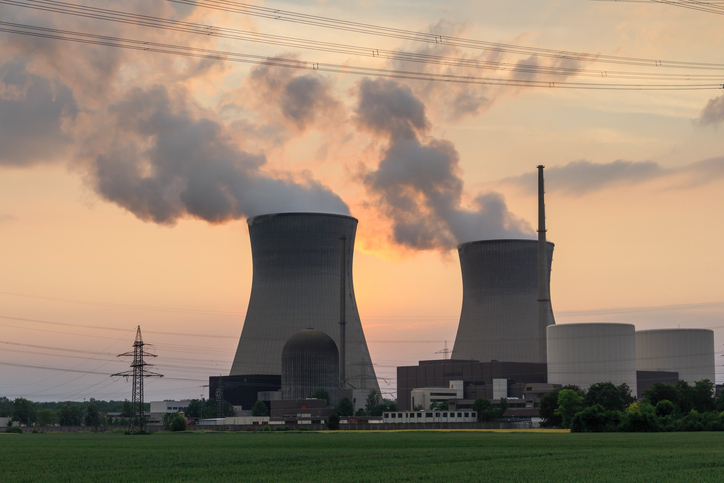
A joint research effort from Rice University and Kazan Federal University is demonstrating a new way to pull radioactive elements out of contaminated water. The researchers behind this study believe their results could go a long way in purifying the hundreds of millions of gallons of water that were contaminated after the Fukushima nuclear plant accident.
They reported that their oxidatively modified carbon (OMC) material is inexpensive and highly efficient at absorbing radioactive metal cations, including cesium and strontium, toxic elements released into the environment when the Fukushima plant melted down after an earthquake and tsunami in March 2011.
We humans have collectively accumulated a lot of science knowledge. We’ve developed vaccines that can eradicate some of the most devastating diseases. We’ve engineered bridges and cities and the internet. We’ve created massive metal vehicles that rise tens of thousands of feet and then safely set down on the other side of the globe. And this is just the tip of the iceberg (which, by the way, we’ve discovered is melting). While this shared knowledge is impressive, it’s not distributed evenly. Not even close. There are too many important issues that science has reached a consensus on that the public has not.
A common intuition is that the main goal of science communication is to present facts; once people encounter those facts, they will think and behave accordingly. The National Academies’ recent report refers to this as the “deficit model.”
But in reality, just knowing facts doesn’t necessarily guarantee that one’s opinions and behaviors will be consistent with them. For example, many people “know” that recycling is beneficial but still throw plastic bottles in the trash. Or they read an online article by a scientist about the necessity of vaccines, but leave comments expressing outrage that doctors are trying to further a pro-vaccine agenda. Convincing people that scientific evidence has merit and should guide behavior may be the greatest science communication challenge, particularly in our “post-truth” era.
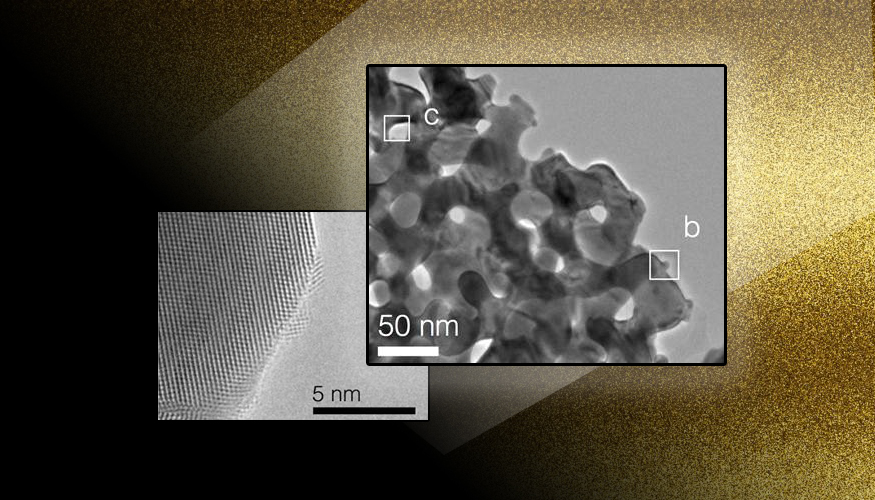
A new study out of Lawrence Livermore National Laboratory shows that catalysts derived from nano-structured materials are as good as gold.
According to the study, led by past ECS member Juergen Biener, restructuring nanoporous gold alloys result in more efficient catalysts.
Nano-structured materials have shown promising qualities for improving catalyst activity and selectivity, but little is known about the structural changes that the materials undergo that can create or prevent efficient catalyst function.
This from LLNL:
The team used ozone-activated silver-gold alloys in the form of nanoporous gold (npAu) as a case study to demonstrate the dynamic behavior of bi-metallic systems during activation to produce a functioning catalyst. Nanoporous gold, a porous metal, can be used in electrochemical sensors, catalytic platforms, fundamental structure property studies at the nanoscale and tunable drug release. It also features high effective surface area, tunable pore size, well-defined conjugate chemistry, high electrical conductivity and compatibility with traditional fabrication techniques.
A new study led by ECS member Haluk Beyenal reveals a novel type of cooperative photosynthesis with potential applications in waste treatment and bioenergy production.
The research details a unique metabolic process observed for the first time in a pair of bacteria, which could be used to engineer microbial communities. Beyenal and his team honed in on a bacterium known as Prosthecochloris aestaurii, which is able to photosynthesize by using sunlight and elemental sulfur or hydrogen sulfide.
This from Washington State University:
The researchers noticed that P. aestuarii tended to gather around a carbon electrode, an electricity conductor that they were operating in Hot Lake. The researchers isolated and grew P. aestuarii and determined that, similar to the way half of a battery works, the bacterium is able to grab electrons from a solid electrode and use them for photosynthesis. The pink-colored Geobacter sulfurreducens meanwhile, is known for its ability to convert waste organic matter to electricity in microbial fuel cells. The bacterium is also used in environmental cleanup.
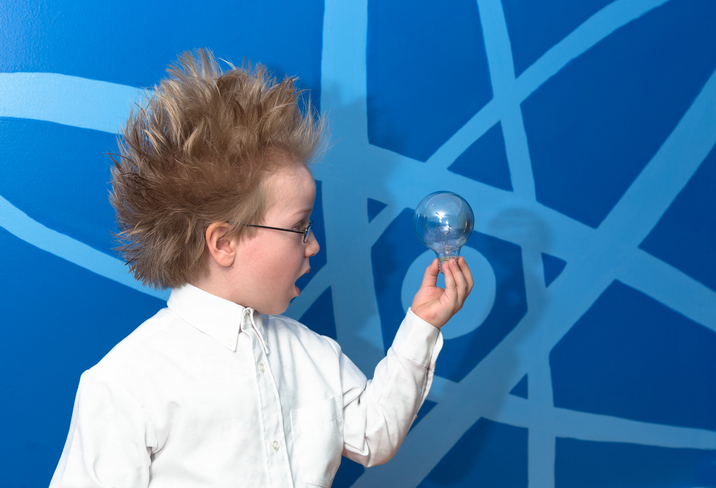
Static electricity is a ubiquitous part of everyday life. It’s all around us, sometimes funny and obvious, as when it makes your hair stand on end, sometimes hidden and useful, as when harnessed by the electronics in your cellphone. The dry winter months are high season for an annoying downside of static electricity – electric discharges like tiny lightning zaps whenever you touch door knobs or warm blankets fresh from the clothes dryer.
Static electricity is one of the oldest scientific phenomena people observed and described. Greek philosopher Thales of Miletus made the first account; in his sixth century B.C. writings, he noted that if amber was rubbed hard enough, small dust particles will start sticking to it. Three hundred years later, Theophrastus followed up on Thales’ experiments by rubbing various kinds of stone and also observed the “power of attraction.” But neither of these natural philosophers found a satisfactory explanation for what they saw.
It took almost 2,000 more years before the English word “electricity” was first coined, based on the Latin “electricus,” meaning “like amber.” Some of the most famous experiments were conducted by Benjamin Franklin in his quest to understand the underlying mechanism of electricity – which is one of the reasons why his face smiles from the US$100 bill. People quickly recognized electricity’s potential usefulness.
Of course, in the 18th century people mostly made use of static electricity in magic tricks and other performances. For instance, Stephen Gray‘s “flying boy experiment” became a popular public demonstration: He’d use a Leyden jar to charge up the youth, suspended from silk cords, and then show how he could turn book pages via static electricity, or lift small objects just using the static attraction.

 Wolfram|Alpha
 Without knowing it, most Americans rely every day on a class of chemicals called
 Tiny crystals called quantum dots are used in LCD TVs to enhance color and image quality. A few years ago, scientists discovered a new type of crystal called nanoplatelets.
 Science funding is intended to support the production of
 The estimated total number of bacteria of the planet is estimated at
  A joint research effort from Rice University and Kazan Federal University is demonstrating a new way to pull radioactive elements out of contaminated water. The researchers behind this study believe their results could go a long way in purifying the hundreds of millions of gallons of water that were contaminated after the Fukushima nuclear plant accident.
 We humans have collectively accumulated a lot of science knowledge. We’ve developed vaccines that can eradicate some of the most devastating diseases. We’ve engineered bridges and cities and the internet. We’ve created massive metal vehicles that rise tens of thousands of feet and then safely set down on the other side of the globe. And this is just the tip of the iceberg (which, by the way, we’ve discovered is melting). While this shared knowledge is impressive, it’s not distributed evenly. Not even close. There are too many important issues
  A new study out of Lawrence Livermore National Laboratory shows that catalysts derived from nano-structured materials are as good as gold.
 A new study led by ECS member Haluk Beyenal reveals a novel type of cooperative photosynthesis with potential applications in waste treatment and bioenergy production.
 Static electricity is a ubiquitous part of everyday life. It’s all around us, sometimes funny and obvious, as when it makes your hair stand on end, sometimes hidden and useful, as when harnessed by the electronics in your cellphone. The dry winter months are high season for an annoying downside of static electricity – electric discharges like tiny lightning zaps whenever you touch door knobs or warm blankets fresh from the clothes dryer.