By: Richard E. Peltier, University of Massachusetts Amherst
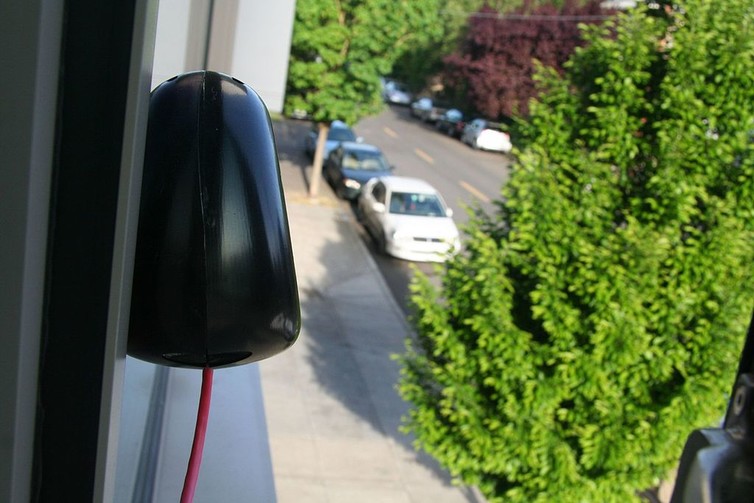
In an experiment sponsored by Intel, a Portland, Oregon household uses a low-cost sensor to measure air quality and stream real-time data online. Intel Free Press/Wikipedia, CC BY-SA
Until recently, measuring air pollution was a task that could be performed only by trained scientists using very sophisticated – and very expensive – equipment. That has changed with the rapid growth of small, inexpensive sensors that can be assembled by almost anyone. But an important question remains: Do these instruments measure what users think they are measuring?
A number of venture capital-backed startup or crowd-funded groups are marketing sensors by configuring a few dollars’ worth of electronics and some intellectual property – mainly software – into aesthetically pleasing packages. The Air Quality Egg, the Tzoa and the Speck sensor are examples of gadgets that are growing in popularity for measuring air pollutants.
These devices make it possible for individuals without specialized training to monitor air quality. As an environmental health researcher, I’m happy to see that people are interested in clean air, especially because air pollution is closely linked with serious health effects. But there are important concerns about how well and how accurately these sensors work.
At their core, these devices rely on inexpensive, and often uncertain, measurement technologies. Someday small sensors costing less than US$100 may replace much more expensive research-grade instruments like those used by government regulators. But that day is likely to be far away.
New territory for a known technology
Pollution sensors that measure air contaminants have been on the market for many years. Passenger cars have sophisticated emission controls that rely on data collected by air sensors inside the vehicles. These inexpensive sensors use well-established chemical and physical methods – typically, electrochemistry or metal oxide resistance – to measure air contaminants in highly polluted conditions, such as inside the exhaust pipe of a passenger vehicle. And this information is used by the vehicle to improve performance.
(more…)


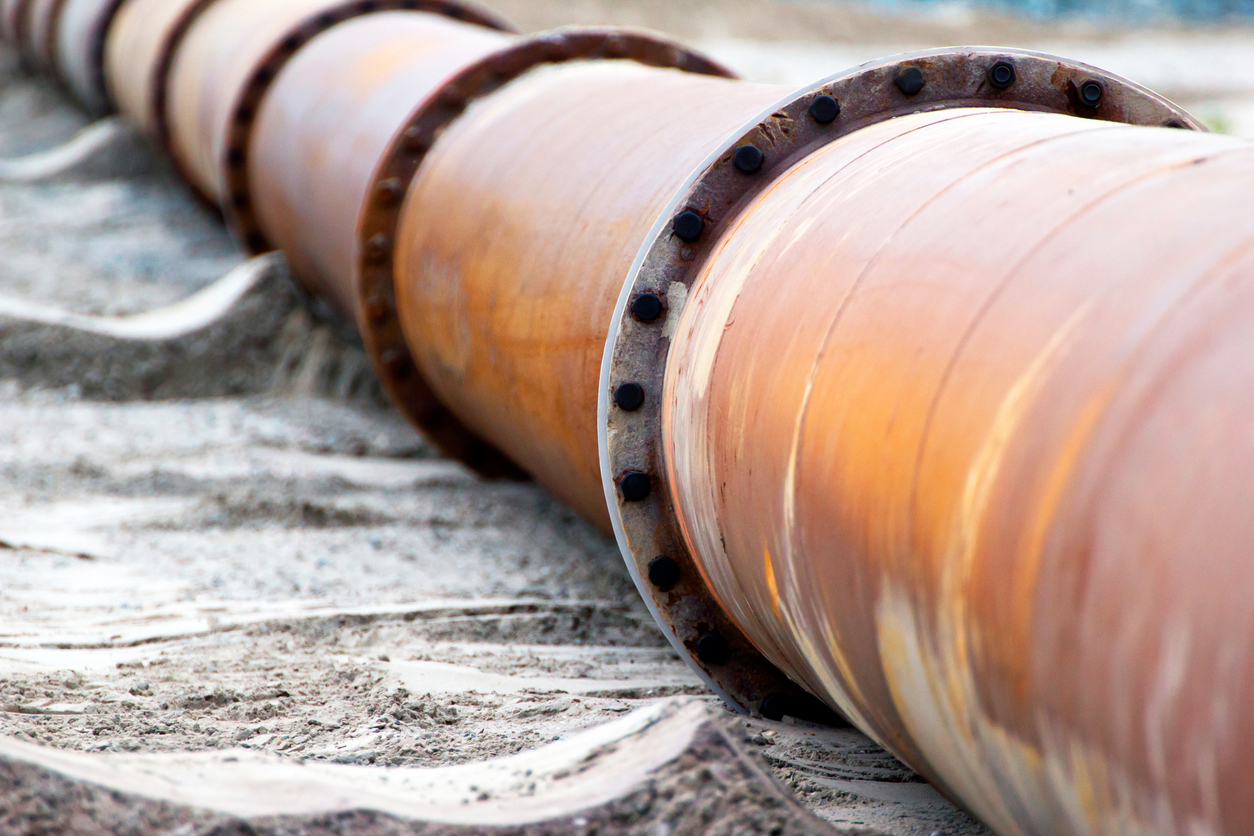 Corrosion is a dangerous and extremely costly problem. Because of it, buildings and bridges can collapse, oil pipelines break, and water sources become contaminated. Currently, the global cost estimated to repair corrosive effects comes in around $2.5 trillion per year.
 Truth seems to be an increasingly flexible concept in politics. At least that’s the impression the Oxford English Dictionary gave recently, as it declared “post-truth” the
  Water and energy are inextricably linked. The two have shared a long technological and symbolic connection, which has led to what researchers in the field call the energy/water nexus.
 Researchers from the University of California, Riverside recently combined photosynthesis and physics to make a key discovery that could lead to
  By using mild electric current, a team of researchers from Washington State University has demonstrated the ability to beat drug-resistant bacterial infections – a technology with the potential to treat chronic wound infections.
 Three new Editors’ Choice articles have been published recently in the Journal of The Electrochemical Society (JES) and ECS Journal of Solid State Science and Technology (JSS).
 The Corrosion Division is currently accepting nominations for the following two awards:
 Herbert H. Uhlig Award