
On October 4, during the Society’s 232nd meeting, ECS will be hosting its first ever ECS Data Sciences Hack Day. This event will be ECS’s first foray into building an electrochemical data sciences and open source community from the ground up.
On this episode of the ECS Podcast, we discuss the upcoming ECS Data Sciences Hack Day, the importance of dataset sharing, how open source software can transform the field, and the future of open science.
This episode’s guests include Daniel Schwartz, Boeing-Sutter Professor of Chemical Engineering and Director of the Clean Energy Institute at the University of Washington; David Beck, Director of Research with the eSciences Institute at the University of Washington; and Matthew Murbach, president of the University of Washington ECS Student Chapter.
Schwartz, Beck, and Murbach will be at the 232nd ECS Meeting this fall in National Harbor, Maryland participating in OpenCon and running the ECS Hack Day. There’s still time to register for both of these events.
Listen to the podcast and download this episode and others for free on Apple Podcasts, SoundCloud, Podbean, or our RSS Feed. You can also find us on Stitcher and Acast.
 The
The 
 ECS Transactions 77(11) “
 The journal impact factors (JIFs) for 2016 have been released, and ECS is pleased to announce that the JIFs for the
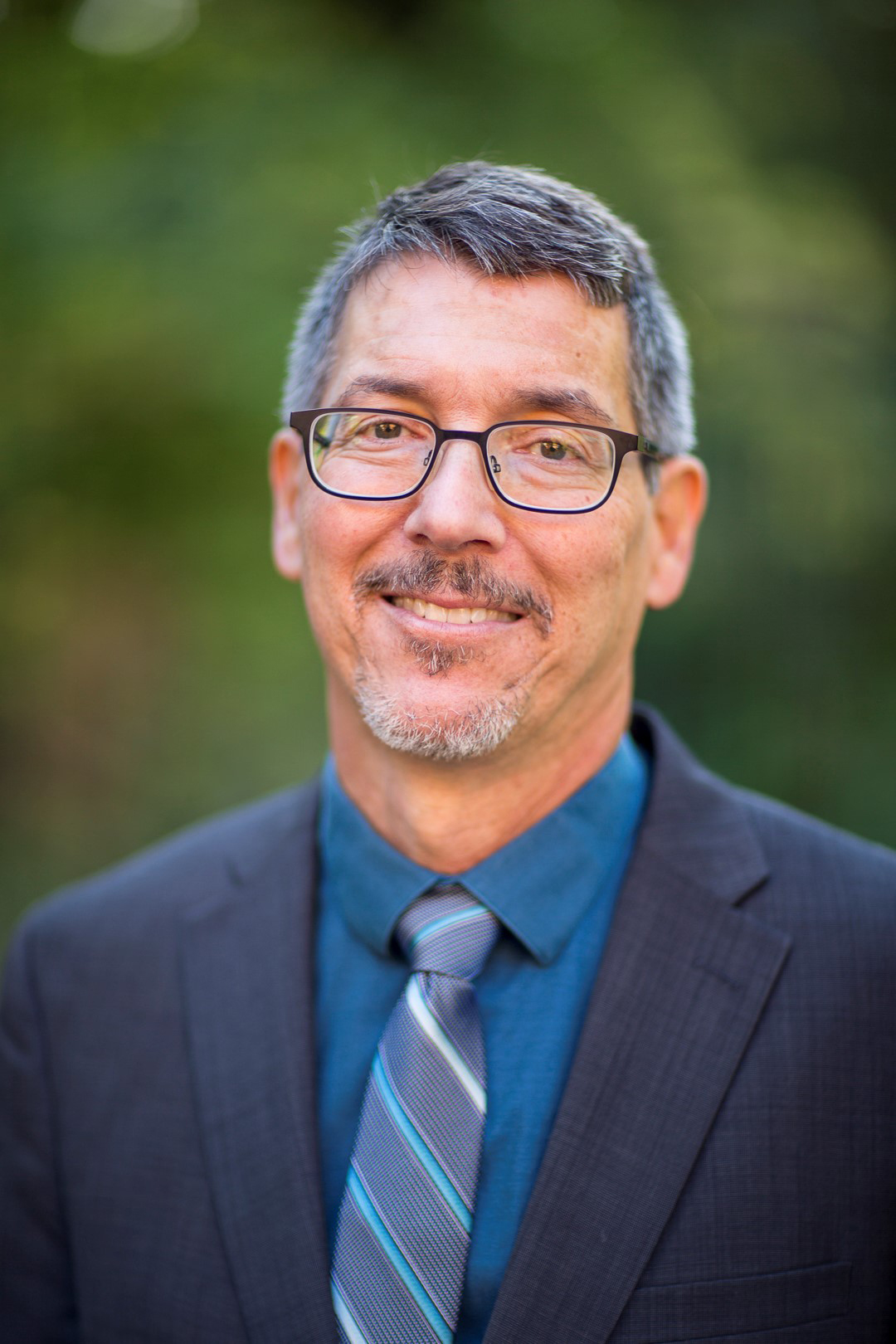
 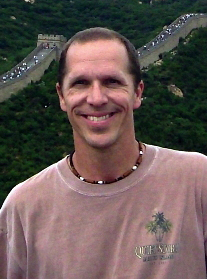 Brett Lucht is a professor of chemistry at the University of Rhode Island, where his research focuses on organic materials chemistry. Lucht’s research includes the development of novel electrolytes for lithium-ion batteries and other efforts to improve the performance of electrolytes for electric vehicles. Lucht has recently been named associate editor for the