

 This Sunday at 2:00 pm ET is ECS OpenCon. We are webcasting it live from the Gaylord National Resort and Convention Center in National Harbor, MD.
Go to the ECS YouTube channel on Sunday to watch.
e are bringing together some of the top advocates in open access and open science to explore what next generation research will look like.
ECS OpenCon is a satellite event of the main OpenCon, an international event hosted by the Right to Research Coalition, a student sponsored organization of SPARC, the Scholarly Publishing and Academic Resources Coalition.
ECS is the first scholarly society to host a satellite event.
 Submit your manuscripts to the Journal of The Electrochemical Society
 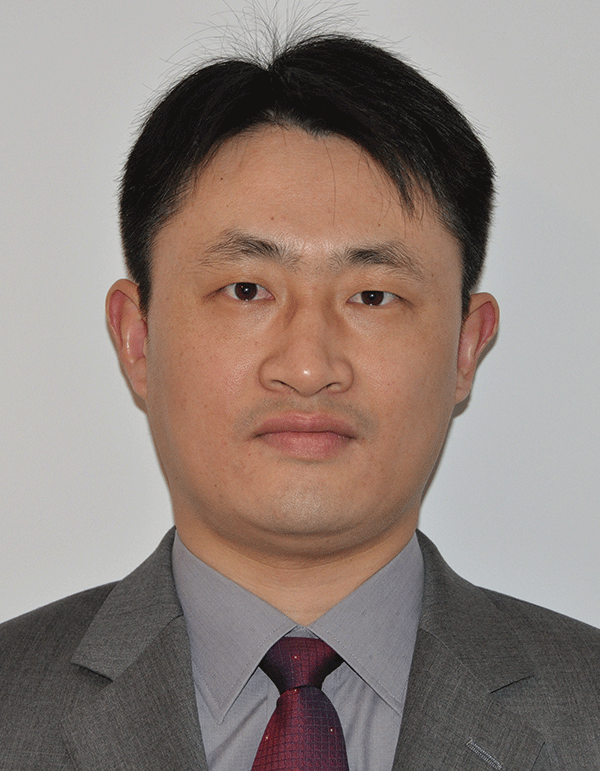 Minhua Shao is an associate professor at the Hong Kong University of Science and Technology, where he leads a research group pursuing work in advanced material and electrochemical energy technologies. Shao’s current work focuses on electrocatalysis, fuel cells, lithium-ion batteries, lithium-air batteries, CO2 reduction, and water splitting. Shao was recently named an associate editor of the
  Over the summer, librarians and academic leaders in Germany came together to lead a push in taking down the paywalls that block access to so many scientific research articles. The initiative, named
  In addition to the
  Nine new issues of
 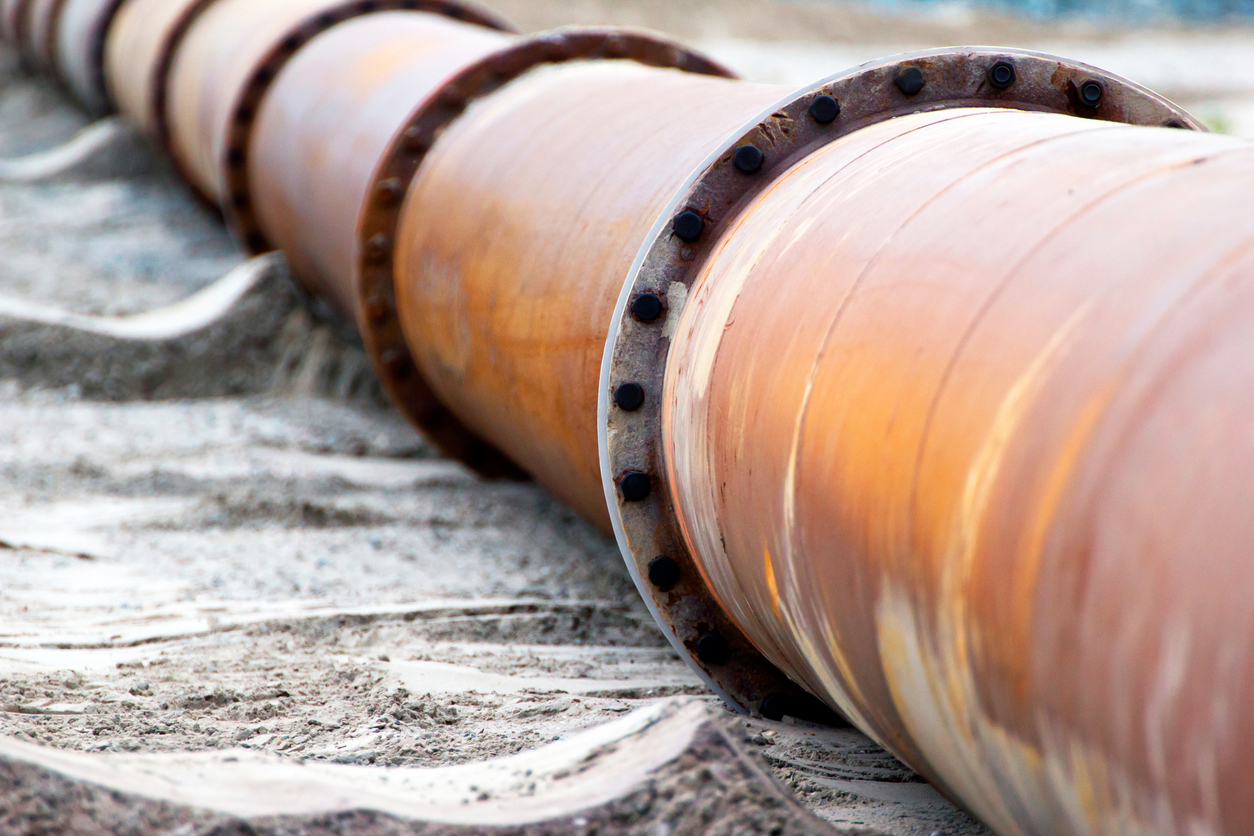 A new device has given scientists a nanoscale glimpse of crevice and pitting corrosion as it happens.
 Scientists have figured out how to make tiny individual films—each just a few atoms high—and stack them for use in new kinds of electronics.
 A team of engineers from Monash University have successfully test-fired the world’s first 3D printed rocket engine. By utilizing a unique aerospike design, the team, led by ECS fellow