

Using unique design and building methods, researchers have created a prototype for an ultra-thin, curving concrete roof that will also generate solar power.
The self-supporting, doubly curved shell roof has multiple layers: the heating and cooling coils and the insulation are installed over the inner concrete layer. A second, exterior layer of the concrete sandwich structure encloses the roof, onto which builders install thin-film photovoltaic cells.
Philippe Block, a professor of architecture and structures at ETH Zurich, and Arno Schlüter, a professor of architecture and building systems, led the team. They want to put the new lightweight construction to the test and combine it with intelligent and adaptive building systems.
 A new kind of lithium sulfur battery could be more efficient, less expensive, and safer than currently available lithium batteries.
 Ask people to name the most famous historical woman of science and their answer will likely be: Madame Marie Curie. Push further and ask what she did, and they might say it was something related to
  A new sodium-based battery can store the same amount of energy as a state-of-the-art lithium ion at a substantially lower cost.
 A new flexible, paper-based supercapacitor could power wearable electronics.
 A closer look at catalysts is giving researchers a better sense of how these atom-thick materials produce hydrogen.
 Tech Highlights was prepared by David Enos and Mike Kelly of Sandia National Laboratories, Colm Glynn and David McNulty of University College Cork, Ireland, Zenghe Liu of Verily Life Science, and Donald Pile of Rolled-Ribbon Battery Company. This article was originally published in the
  Engineers working to make solar cells more cost effective ended up finding a method for making sonar-like collision avoidance systems in self-driving cars.
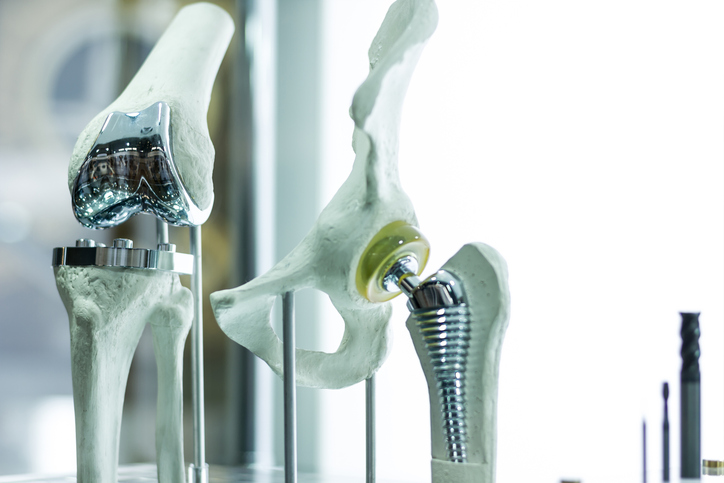 The development of prosthetics has changed many lives, providing mobility options and allowing for more active lives. But all artificial limbs aren’t perfect. Some can be painful, difficult to use, and lead to possible skin infections. The Office of Naval Research is looking to change that, providing new options for those in need of artificial limbs.