

 Scientists studying climate change have long debated exactly how much hotter Earth will become given certain amounts of greenhouse gas emissions. Models predicting this “climate sensitivity” number may be closer to the observed reality than some previously thought, according to a new study.
Observations in the past decade seemed to suggest a value lower than predicted by models. But the new study shows that two leading methods for calculating how hot the planet will get are not as far apart as they have appeared.
In climate science, the climate sensitivity is how much the surface air temperature will increase if you double carbon dioxide from pre-Industrial levels and then wait a very long time for the Earth’s temperature to fully adjust. Recent observations predicted that the climate sensitivity might be less than that suggested by models.
 ECS is proud to partner with the
 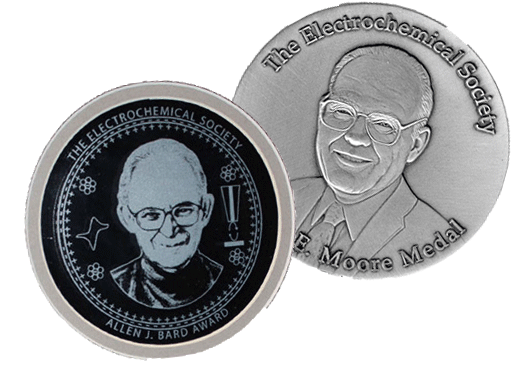 ECS is pleased to announce the 11 award winners for the Society’s spring biannual meeting.
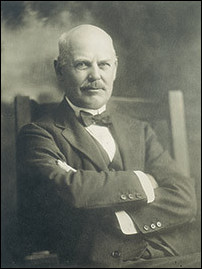 The discovery of an electric arc can be tied to the use of an electrochemical energy source. Sir Humphry Davy described in 1800 an electric discharge using electrochemical cells1 that produced what we would call a spark, rather than an arc. However, in 1808, using an electrochemical battery containing 2000 plates of copper and zinc, he demonstrated an electric arc 8cm long. Davy is also credited with naming the phenomenon an arc (Fig. 1). An electric arc was also discovered independently in 1802 by Russian physicist Vasily Petrov, who also proposed various possible applications including arc welding. There was a long gap between the discovery of the electric arc and putting it to use.
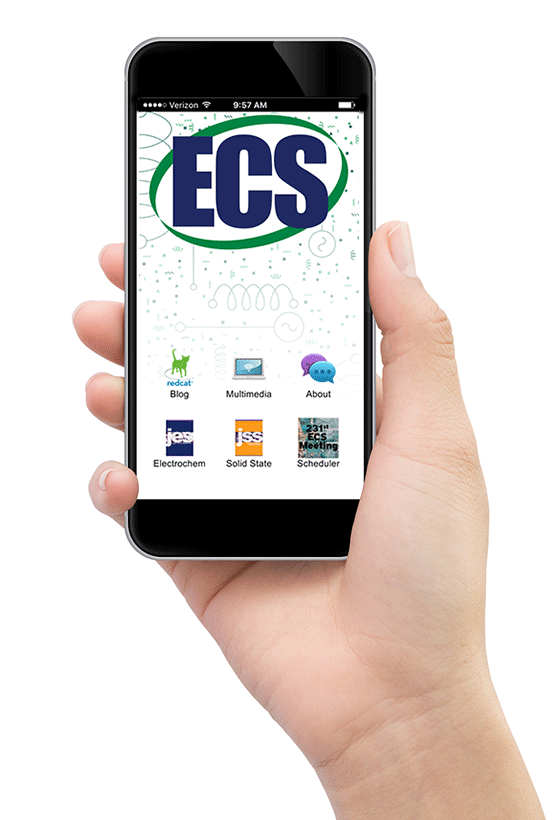 ECS now has an app for your mobile device. Follow the latest research published in ECS journals, the newest Redcat blog posts, and get instant access to the ECS podcasts and videos all in one place. It also includes the meeting scheduler for the upcoming ECS biannual meeting.
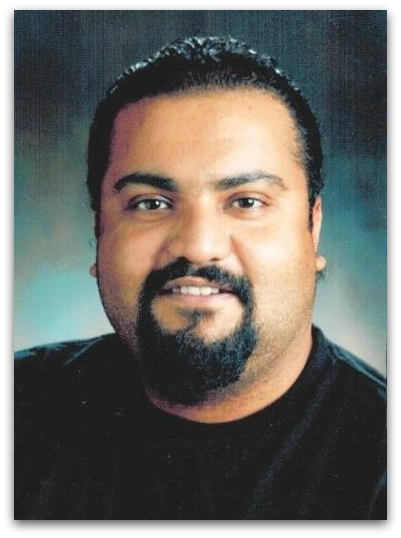 Ajit Khosla is a professor at Yamagata University in Yonezawa, Japan and a visiting professor at San Diego State University’s College of Engineering. Khosla’s work in the area of nano-microsystems has resulted in more than 100 scientific and academic contributions. Khosla has recently been named associate editor for the
  When a battery is used, electrically charged ions travel between electrodes, causing those electrodes to shrink and swell. For some time, researchers have wondered why the electrode materials – which are fairly brittle – don’t crack in the expansion and contraction styles.
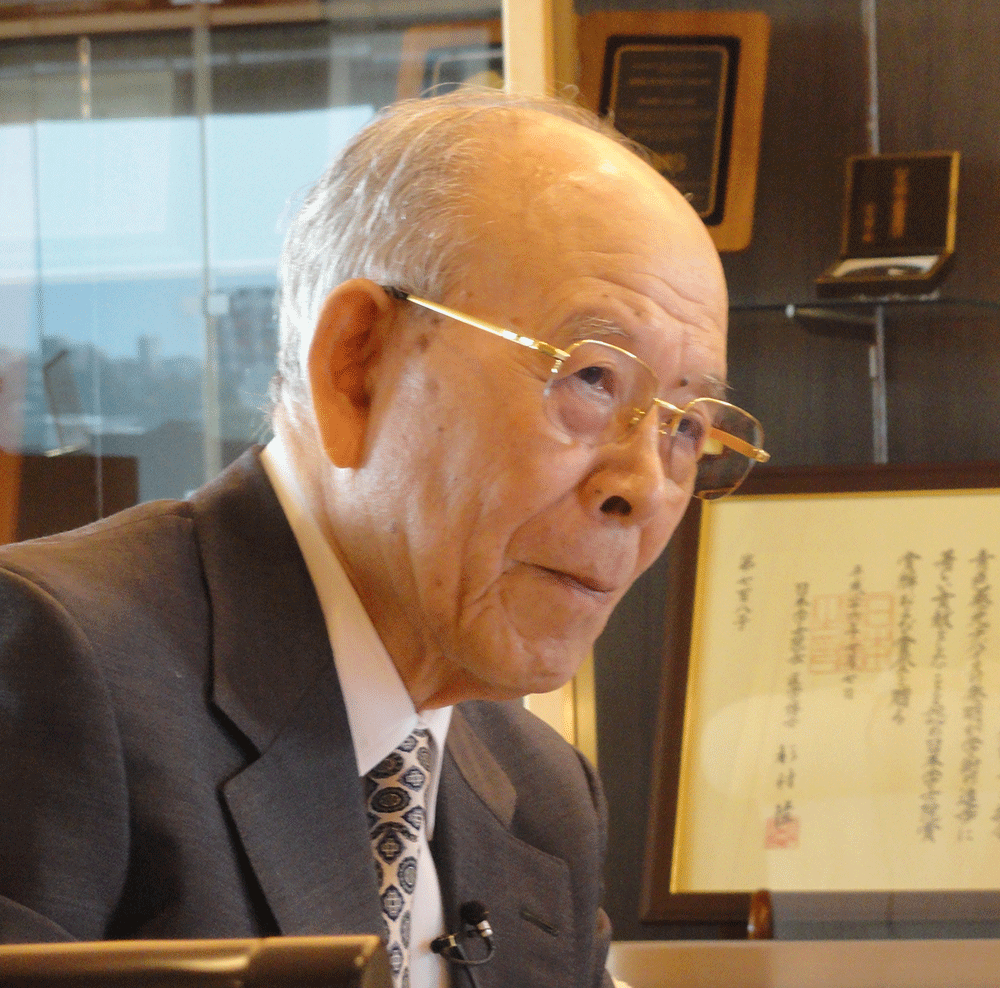 On June 8, 2016, Yue Kuo, an ECS fellow and vice president of The Electrochemical Society, traveled to the Akasaki Institute at Nagoya University in Japan to talk with Isamu Akasaki, a Nobel Prize winner and ECS life member.
 The
The