
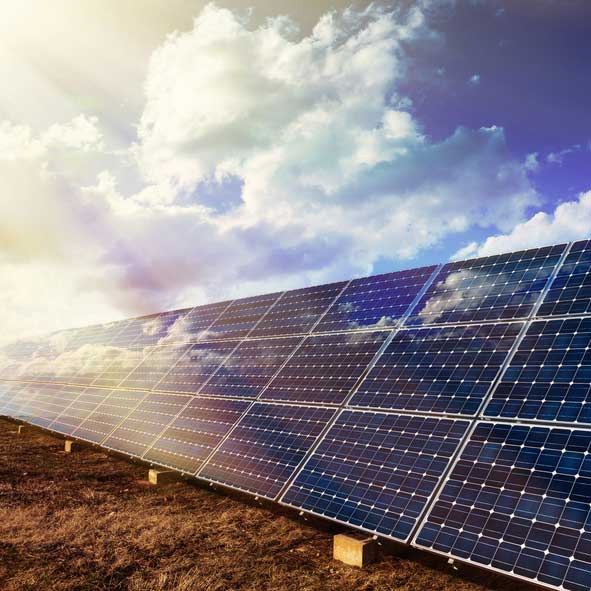
 One year ago, the Chinese government’s energy agency made a long-term commitment to the development of renewable energy sources, investing more than $360 billion in an effort to shift away from coal-powered energy. Now, the country is following through on those promises, paving the way to becoming the global leader in the overall development of clean energy technology.
According to a new report from the Institute of Energy Economics and Financial Analysis (IEEFA), China has continued to grow its clean energy sector in 2017, installing over 50 GW of solar-powered generation.
“The clean energy market is growing at a rapid pace and China is setting itself up as a global technology leader while the U.S. government looks the other way,” said Tim Buckley, co-author of the report. “Although China isn’t necessarily intending to fill the climate leadership void left by the U.S. withdrawal from Paris, it will certainly be very comfortable providing technology leadership and financial capacity so as to dominate fast-growing sectors such as solar energy, electric vehicles, and batteries.”
 Water-based rechargeable batteries could be one step closer to commercial viability, thanks to
 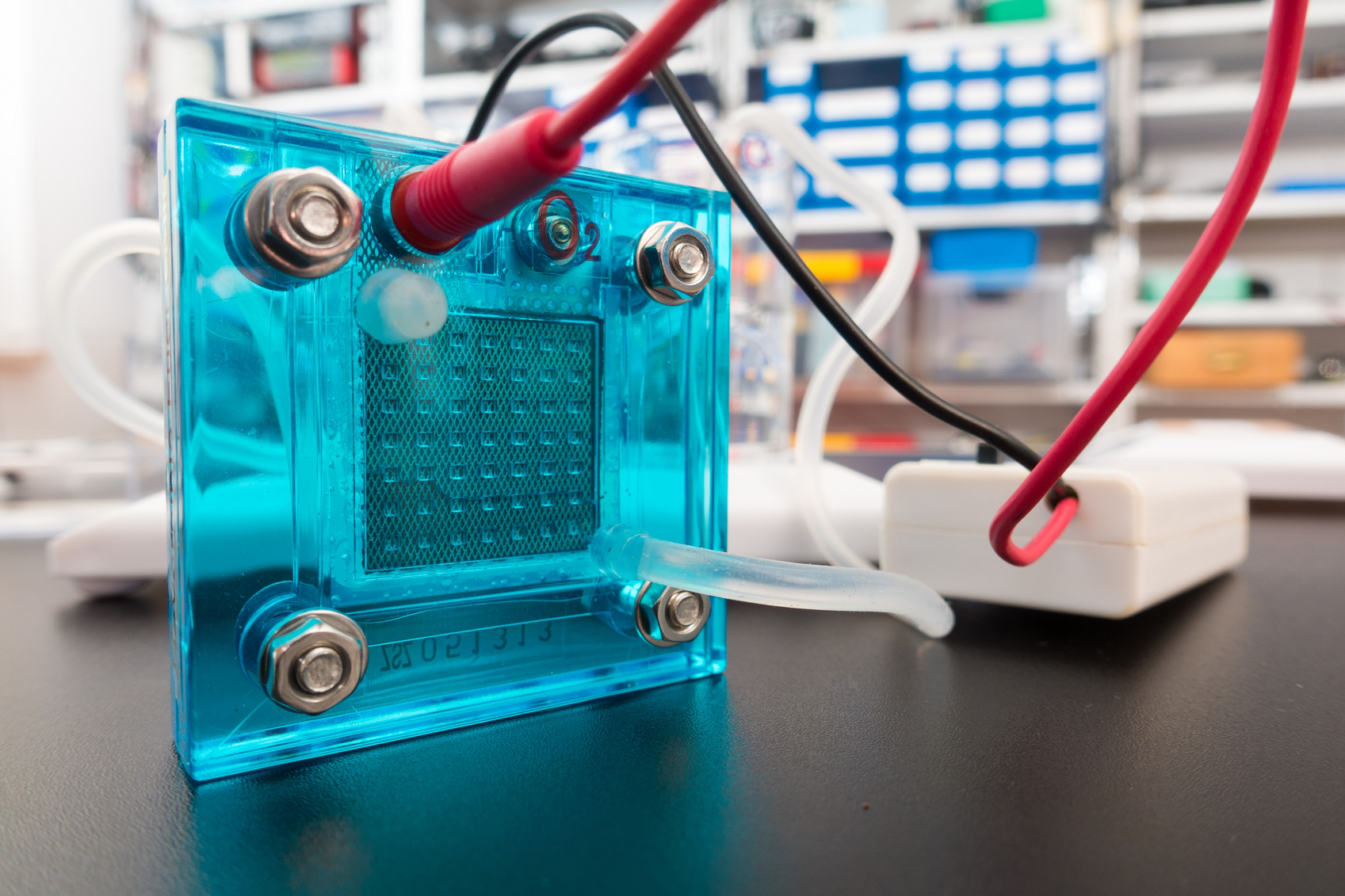 Nitrogen-doped carbon nanotubes or modified graphene nanoribbons could be effective, less costly replacements for expensive platinum in fuel cells, according to a new study.
 ECS members
  New research indicates that poplar trees could be an economically viable biofuel material.
 Within the next month, energy watchers expect the Federal Energy Regulatory Commission to act on an
  Engineers have developed a 4-in-1 smart utilities plant that produces electricity, water, air-conditioning, and heat in an environmentally friendly and cost-effective way.
 Capitalizing on tiny defects can improve electrodes for lithium-ion batteries, new research suggests.