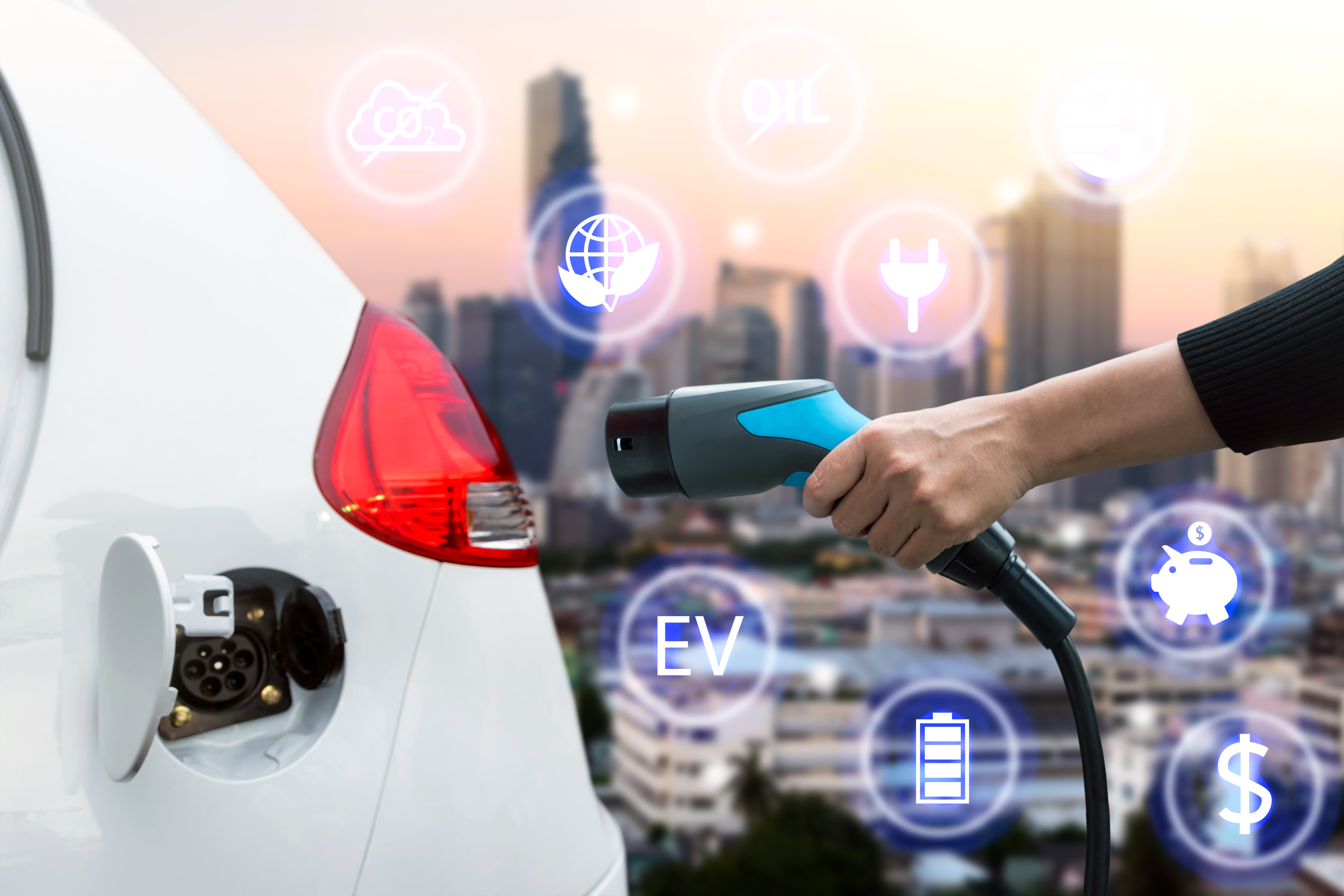
 In 1888, German inventor Andreas Flocken created what is widely considered the world’s first electric car. According to The Battery Issue, recently published by The Verge, the 900-pound vehicle drove at the top speed of nine miles per hour, coming to a halt after a two and a half hour test ride. Although it was considered a success, it wasn’t entirely. The car’s battery, sustainably charged with water power, had died.
Today, nearly 130 years, German carmakers are still having trouble with their batteries – specifically with battery cells. As a result, car companies are relying on suppliers from China, Korea, and Japan for the highly needed component.
“Cells can be a major technology differentiator and cells are the by far most costly part of the battery pack,” says Martin Winter, a professor of materials science, energy, and electrochemistry at the University of Münster and ECS Battery Division and Europe Section member. Winter says a large scale production of battery cells by European or German companies will be crucial in order to take part in the “enormous and rapidly growing market.”

 Researchers at KTH have successfully tested a new material that can be used for cheap and large-scale production of hydrogen – a promising alternative to fossil fuel.
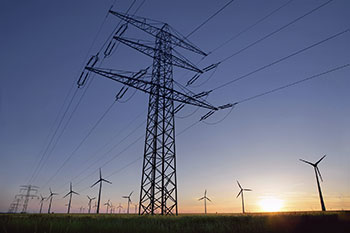 In order to power entire communities with clean energy, such as solar and wind power, a reliable backup storage system is needed to provide energy when the sun isn’t shining and the wind doesn’t blow.
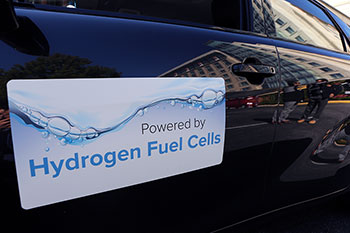 Fuel cells play a major role in creating a clean energy future, with a broad set of applications ranging from powering buildings to electrifying transportation. But, as with all emerging technologies, researchers have faced many barriers in developing affordable, efficient fuel cells and creating a way to cleanly produce the hydrogen that powers them.
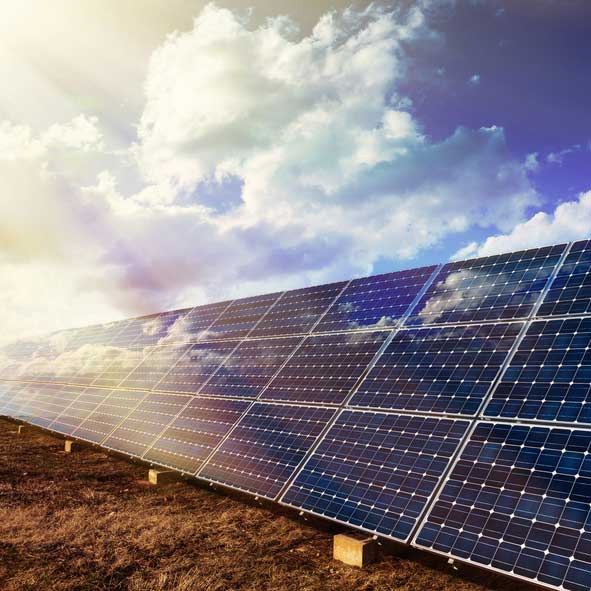 Researchers have proposed three different methods for providing consistent power in 139 countries using 100 percent renewable energy.
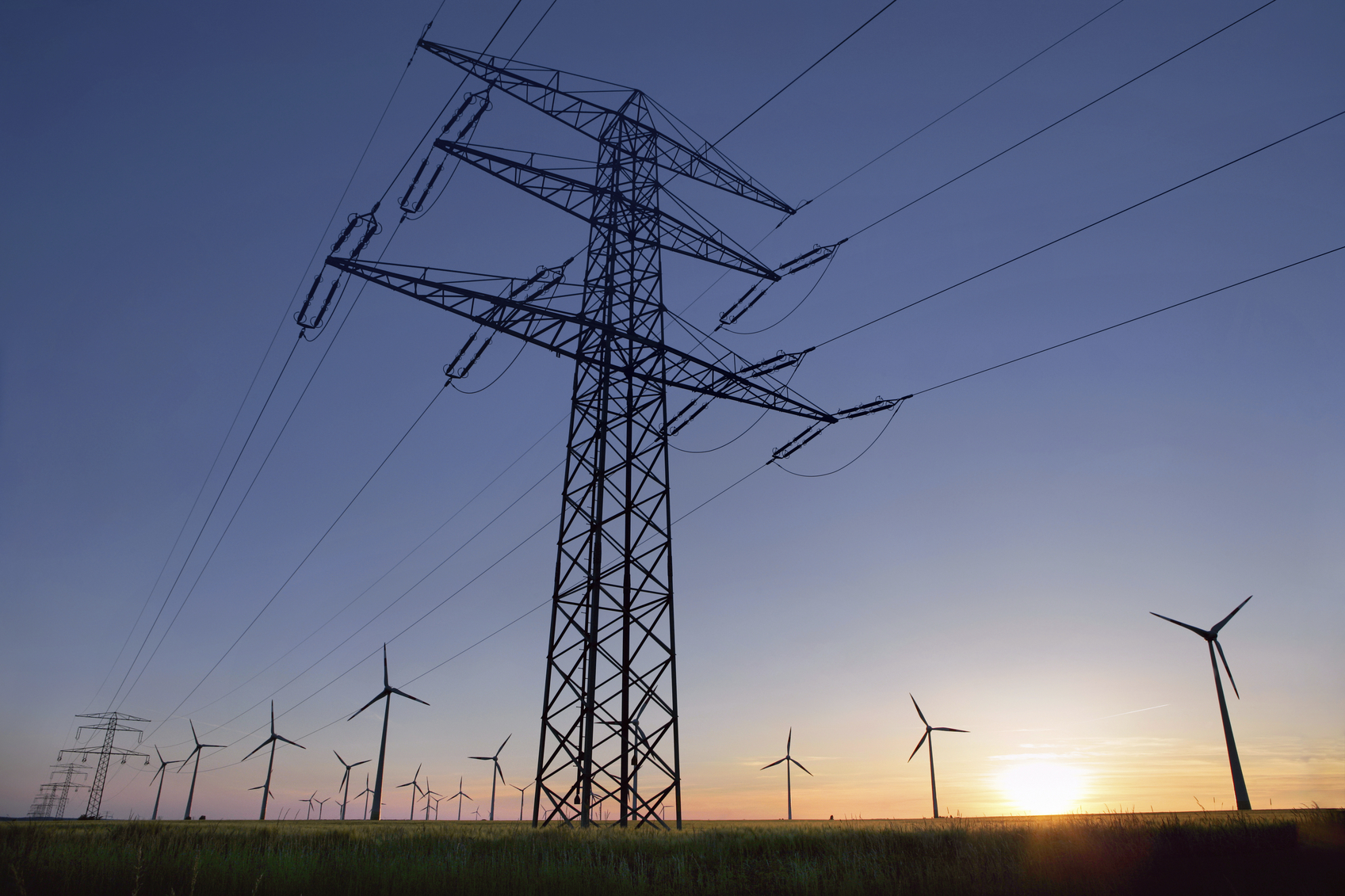 Carbon-free energy: Is the answer blowing in the wind? Perhaps, but the wind doesn’t always blow, nor does the sun always shine. The energy generated by wind and solar power is intermittent, meaning that the generated electricity goes up and down according to the weather.
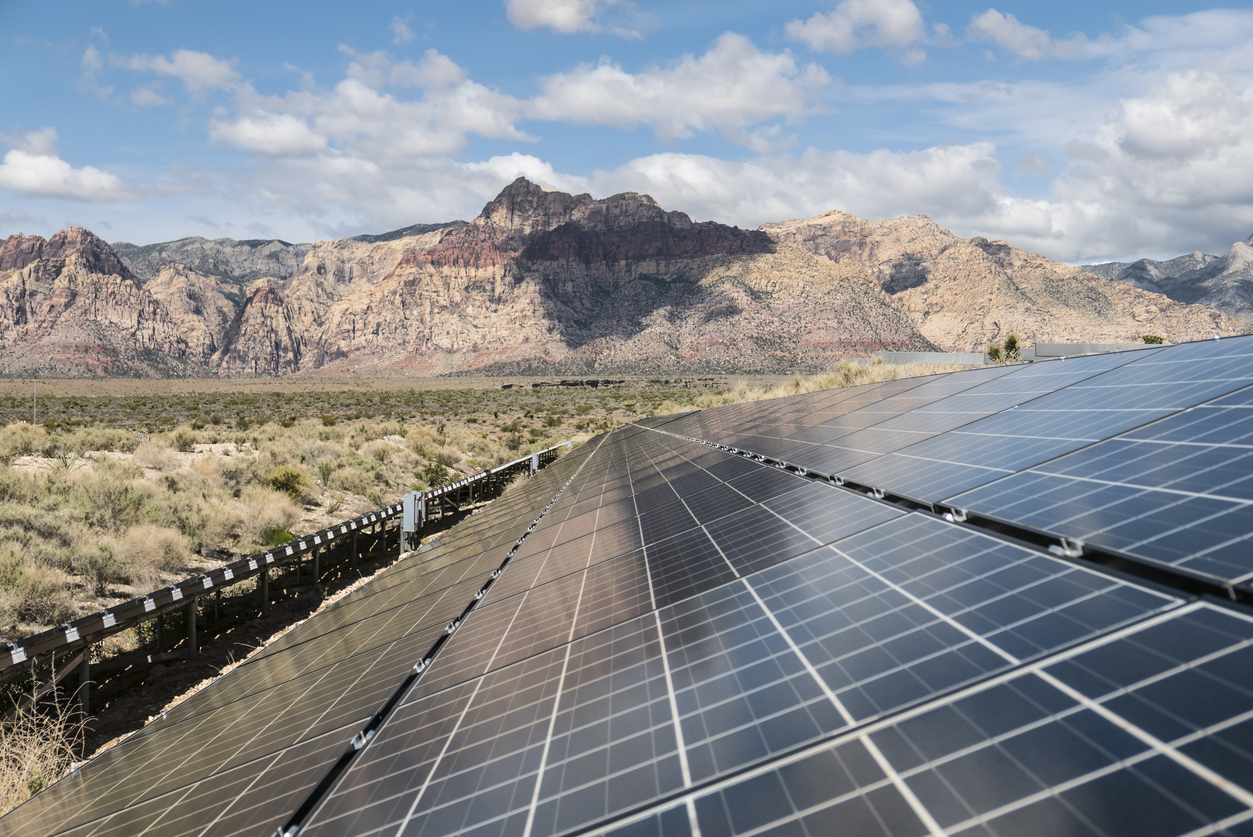 Editor’s note: On Jan. 22, 2018, the Trump administration announced plans to