
ECS shows its vision for the future of academic publishing
 ECS is celebrating Open Access Week this year by giving the world a preview of what complete open access will look like. From October 24th through October 30th, we are taking down the paywall to the ECS Digital Library, making over 132,000 scientific articles and abstracts free and accessible to anyone.
Eliminating the paywall during Open Access Week is a preview of ECS’s Free the Science initiative; a business-model changing plan with the goal of making the entire ECS Digital Library open access by 2024. ECS believes that the opening and democratizing of this information will lead to rapid advances in discoveries ranging from renewable energy to clean water and sanitation.
“ECS has one core goal: to disseminate this scientific research to the broadest possible audience without barriers,” says Mary Yess, ECS Deputy Executive Director and Chief Content Officer. “The research of our authors has the ability to address some of the most critical issues across the globe, and we believe paywalls should not impede progress.”
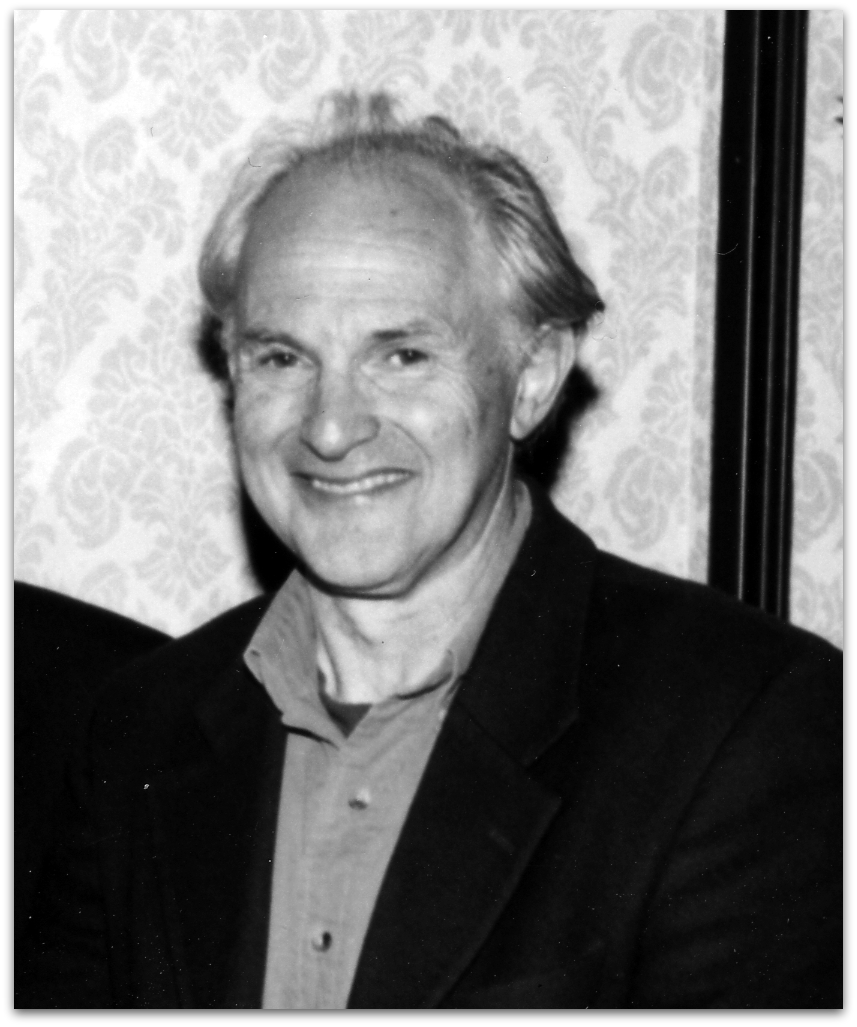 Pioneering nanocarbons researcher Harry Kroto passed away on April 30, 2016 at the age of 76. A giant among giants, Kroto made an immense impact on ECS and its scientific discipline as well as the world at large. Because of this, an
 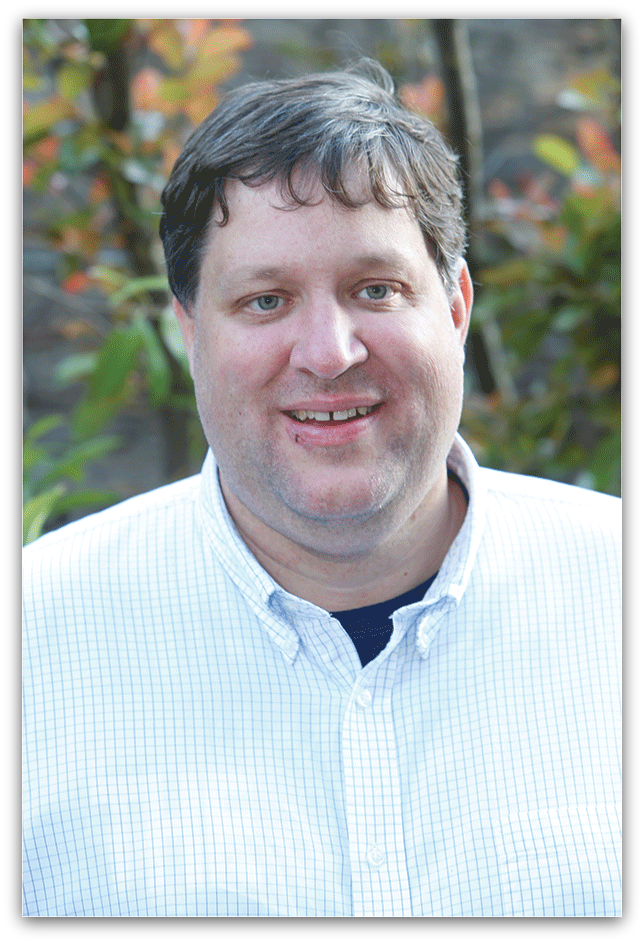 David Cliffel is the Professor of Chemistry & Department Chair at Vanderbilt University, where he leads research on the electrochemistry and analytical chemistry of nanoparticles and photosynthetic proteins. He has recently become a new Technical Editor for the
  The last week of October is
  Atmospheric Corrosion, Second Edition, by Christofer Leygraf, Inger Odnevall Wallinder, Johan Tidblad, and Thomas Graedel
 Electrochemical Impedance Spectroscopy, Second Edition, by Mark Orazem and Bernard Tribollet
 Seventeen new issues of ECS Transactions have just been published for the PRiME ECS Meeting.
 At ECS, we offer your institution a subscription to