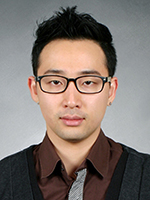
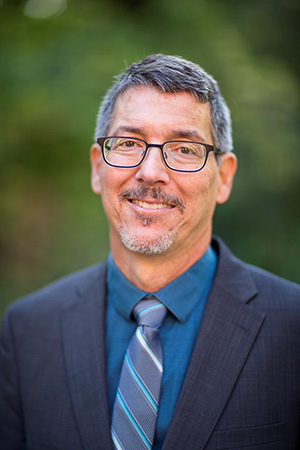
Dan Schwartz, Boeing-Sutter Professor and director of the Clean Energy Institute at the University of Washington
Daniel Schwartz, a University of Washington professor of chemical engineering and director of the Clean Energy Institute, received the Presidential Award for Excellence in Science, Mathematics and Engineering Mentoring from the White House Office of Science and Technology Policy and the National Science Foundation this week. The OSTP and NSF recognized Schwartz for his commitment to interdisciplinary graduate education – helping students apply their research to societal and market needs – along with his dedication to recruiting and supporting Native American STEM (science, technology, engineering and mathematics) scholars at the UW.
“I’m proud to join this cadre of dedicated educators and mentors helping students become leading scientists and engineers,” said Schwartz. “Focusing on clean energy science, engineering and resource management at UW has brought top students from across the country to Seattle, where they have partnered with Northwest tribes and businesses to ensure the future of energy is being created here.”
Starting in 2007, Schwartz launched an NSF-funded interdisciplinary graduate training program that used tribal clean energy research partnerships to attract top Native American students to graduate degree programs in UW’s College of the Environment and College of Engineering. The program was continued and expanded in partnership with Washington State University and Salish Kootenai College with U.S. Department of Agriculture funding, eventually including an undergraduate summer research experience program. Since the program launched, 26 students have completed doctoral degrees, with four awarded to Native Americans and four to other underrepresented minorities. Six masters have also been awarded – including two to Native Americans – and a tribal student-led startup company was founded. A signature achievement was the 2016 Alaska Airlines flight from Seattle to Washington, D.C. on fuel partially made from tribal forest thinnings.
Listen to the ECS Podcast to learn more about Dan Schwatz and open science.
 Sixteen* new issues of