

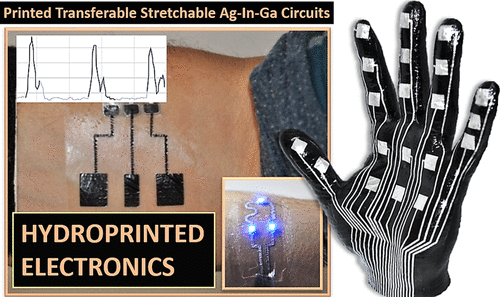
Credit: ACS Publications
Most of us don’t stop to think about it, but the skin on our body is pretty remarkable. The largest organ in the body can detect pressure, temperature changes, pain, and touch, all made possible thanks to the many nerves and receptors underneath our skin. With all that said, it’s easy to understand why it’s hard to duplicate this unique organ. But, according to ScienceDaily, researchers are working to do just that. Their goal is to reproduce and transfer these qualities into a manmade electronic skin technology that can be used in prosthetic devices, wearable health monitors, robotics, and virtual reality. (more…)

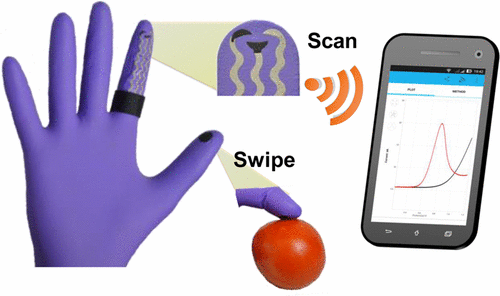

 Sensors on tape that attach to plants yield new kinds of data about water use for researchers and farmers.
 A new chemical sensor prototype will be able to detect “single-fingerprint quantities” of chemicals and other substances at a distance of more than 100 feet—and its creators are working to make it the size of a shoebox.
 Submission Deadline: December 26, 2017
 In the wake of car- and truck-based attacks
 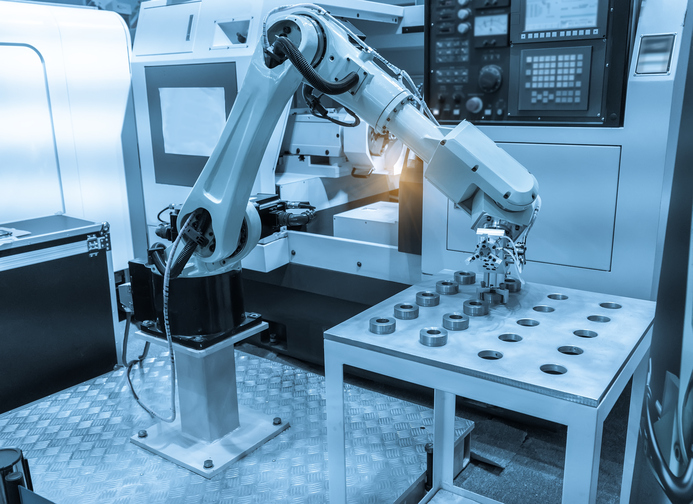 Engineers have developed a flexible sensor “skin” that can stretch over any part of a robot’s body or prosthetic to accurately convey information about shear forces and vibration—information critical to grasping and manipulating objects.