

By: Joshua D. Rhodes, University of Texas at Austin; Michael E. Webber, University of Texas at Austin; Thomas Deetjen, University of Texas at Austin, and Todd Davidson, University of Texas at Austin
 U.S. Secretary of Energy Rick Perry in April requested a study to assess the effect of renewable energy policies on nuclear and coal-fired power plants.
Some energy analysts responded with confusion, as the subject has been extensively studied by grid operators and the Department of Energy’s own national labs. Others were more critical, saying the intent of the review is to favor the use of nuclear and coal over renewable sources.
So, are wind and solar killing coal and nuclear? Yes, but not by themselves and not for the reasons most people think. Are wind and solar killing grid reliability? No, not where the grid’s technology and regulations have been modernized. In those places, overall grid operation has improved, not worsened.
To understand why, we need to trace the path of electrons from the wall socket back to power generators and the markets and policies that dictate that flow. As energy scholars based in Texas – the national leader in wind – we’ve seen these dynamics play out over the past decade, including when Perry was governor.

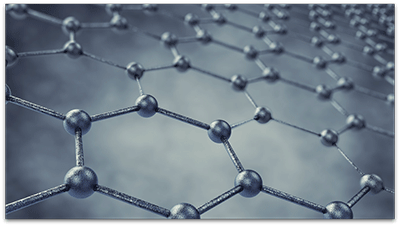 A quantum probe based on an atomic-sized “color center” in diamonds has let researchers observe the flow of electric currents in graphene.
 My name is Eric Pacansky and I am a graduating senior from the College of New Jersey (TCNJ). While at TCNJ, I have been studying business administration and have learned many concepts regarding how to run a business. To compliment my studies, I have had the good fortune of participating in two internships. I am grateful for the many opportunities and challenges these internships have presented, especially those I received as a membership services intern at ECS.
 Deadline: June 14, 2017
 ECS hosts a vibrant network of nearly 70
  A soda company sponsoring