 Global energy demands are predicted to reach 46 terawatts by 2100. That number is a far reach from the 18 terawatts of energy currently generated around the world. According to one expert in the field, a major shift in the way we produce and consume energy is necessary in order to meet future demands.
Meng Tao, ECS member and Arizona State University professor, discussed how society could move toward meeting those demands at the PRiME 2016 meeting, where he presented his paper, “Terawatt Solar Photovoltaics: Roadblocks and Our Approaches.”
“We just cannot continue to consume fossil fuels the way we have for the last 200 years,” Tao told ECS. “We have to move from a fossil fuel infrastructure to a renewable infrastructure.”
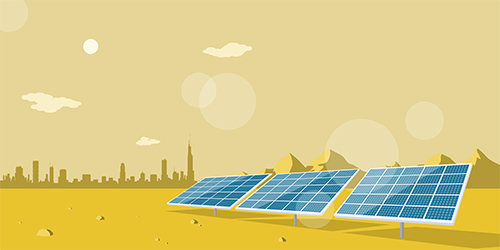
For Tao, the world’s society cannot set on a path of “business as usual” by producing energy via coal, oil, and natural gas. And while solar energy has experienced a growth rate of nearly 45 percent in the last decade, it still only accounts for less than one percent of all electricity generated.
The shift to solar
Historically, solar technology soars when oil prices are at their highest. This is especially true during the oil embargo of the 1970s. During that time, private and public investments began to shift away from fossil fuels and toward solar and other renewable energies. That trend emerged again in the early 2000s when oil prices skyrocketed to a record-setting $140 per barrel.
“In the 1970s, the motivation to invest in solar and other forms of renewable energy was geopolitical,” Tao says. “Now, that motivation tends to focus more on the environment and sustainability.”
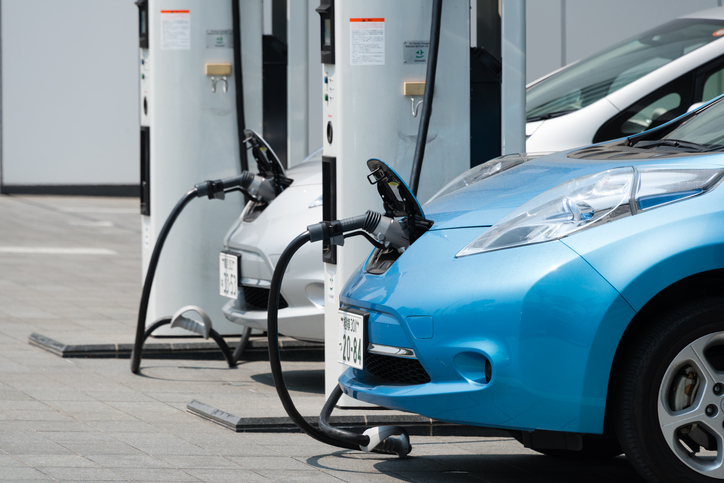 Just over ten years ago, the number of electric vehicles on the road could be counted in the hundreds. Now, more than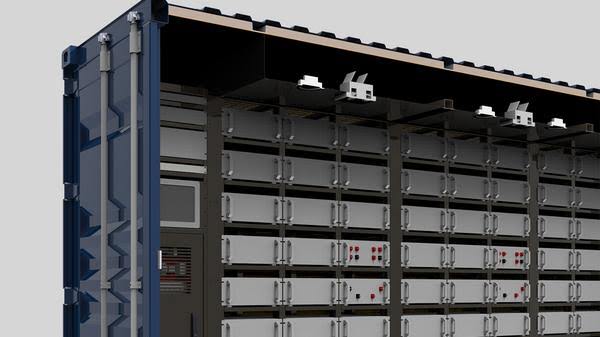
 Twenty-sixteen marked the 25th anniversary of the commercialization of the lithium-ion battery. Since Sony’s move to commercialize the technology in 1991, the clunky electronics that were made possible by the development of the transistor have become sleek, portable devices that play an integral role in our daily lives – thanks in large part to the Li-ion battery.
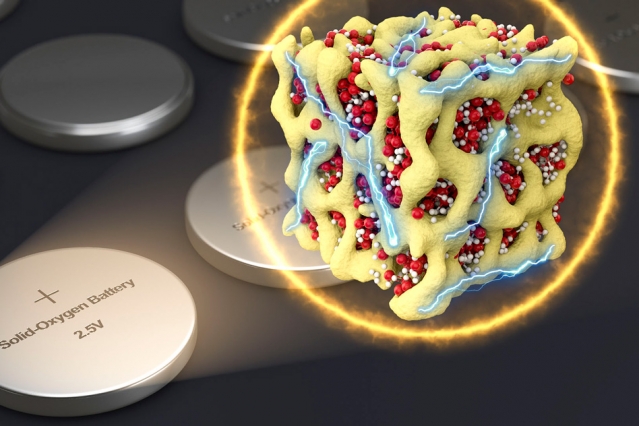
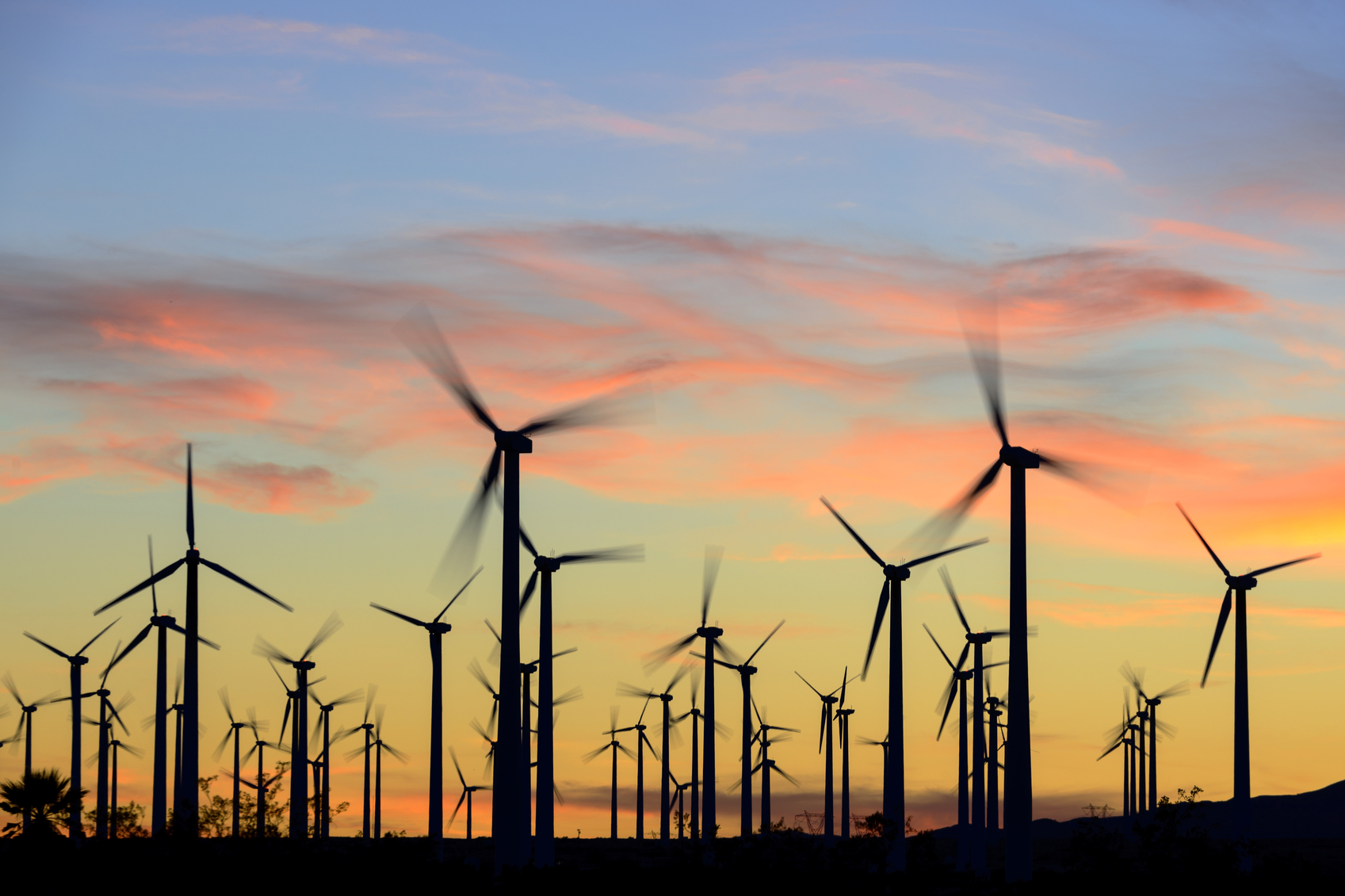 New research shows another step forward in the goal of developing energy storage systems robust enough to store such intermittent sources as wind and solar on a large-scale.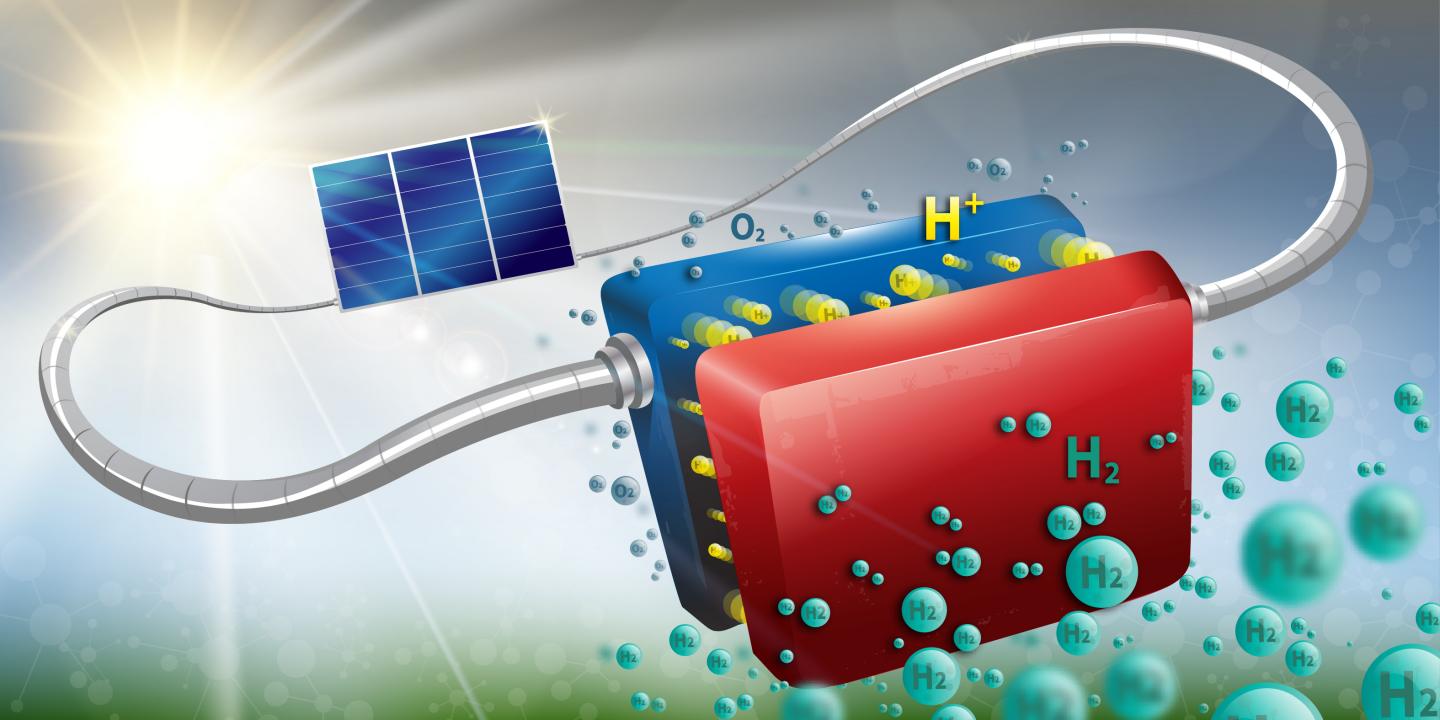
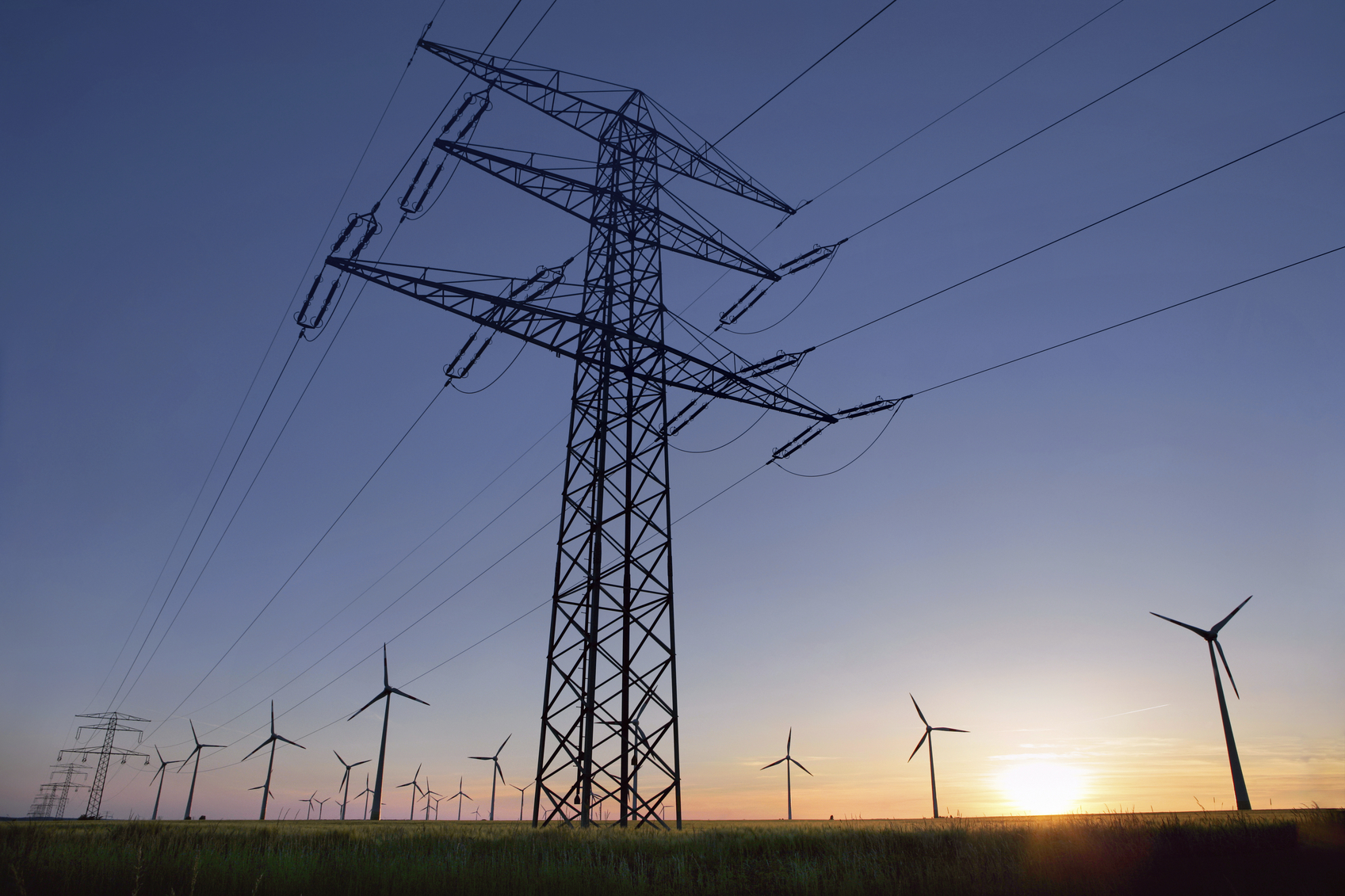 The world’s next energy revolution is looming nearer.