

 While tracking electrons moving through exotic materials, researchers have discovered intriguing properties not found in conventional, silicon-based semiconductors.
Unlike current silicon-based electronics, which shed most of the energy they consume as waste heat, the future is all about low-power computing. Known as spintronics, this technology relies on a quantum physical property of electrons—up or down spin—to process and store information, rather than moving them around with electricity as conventional computing does.
On the quest to making spintronic devices a reality, scientists at the University of Arizona are studying an exotic crop of materials known as transition metal dichalcogenides, or TMDs. TMDs have exciting properties lending themselves to new ways of processing and storing information and could provide the basis of future transistors and photovoltaics—and potentially even offer an avenue toward quantum computing.

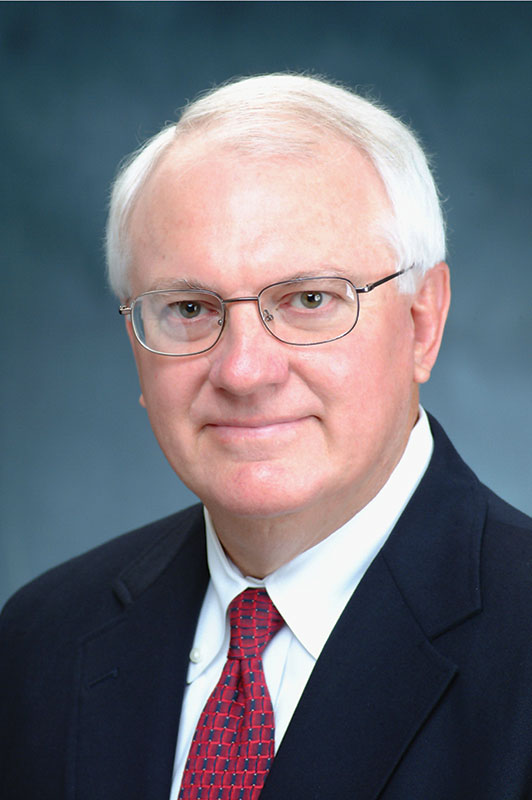 Charles L. Hussey is Associate Dean for Research and Graduate Education in the College of Liberal Arts at the University of Mississippi and professor of chemistry. He is a fellow of ECS and a recipient of the Society’s Max Bredig Award in Molten Salt and Ionic Liquid Chemistry. His scientific research with molten salts/ionic liquids has been directed at the electrochemistry and spectroscopy of d- and f-block elements, the electrodeposition of aluminum and corrosion-resistant aluminum-transition metal alloys, the electrodissolution of metals and alloys, and the electrochemical processing of spent nuclear fuel. Hussey was recently reappointed as technical editor of the
  Falling costs for solar power
 Submission Deadline: February 14, 2018
 Two new volumes of ECS Transactions (ECST) have just been published.
 New graphene printing technology can produce electronic circuits that are low-cost, flexible, highly conductive and water repellent, researchers report.
 Join us as ECS and La Sociedad Mexicana de Electroquímica comes together for the
 Editor’s note: On Jan. 22, 2018, the Trump administration announced plans to