
 Why attend?
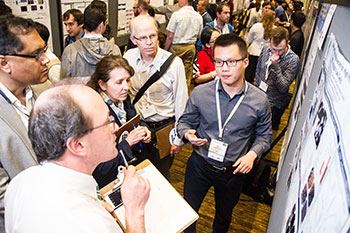
Consider ECS the prologue to your success story. As the must-attend event for academic and industry professionals from across the globe, it introduces you to the electrochemical and solid state science and technology trends, insights, and players who can help you make major strides in your career.
ECS meetings offer five days of learning, technical presentations, business development and networking opportunities for scientists, engineers and industry leaders from more than 70 countries. With a wide range of technical sessions, social events and hands-on courses, ECS meetings are the best investment you can make in your career.
 In a recently published ECS Journal of Solid State Science and Technology paper, ECS member Roger Loo and coauthors describe a new epitaxial growth technology and address the challenges of implementation. The open access article, “
 Twelve new issues of ECS Transactions have just been added to the ECS Online Store for pre-order.
 Topic Close-up #3
 As Fitbits and other
 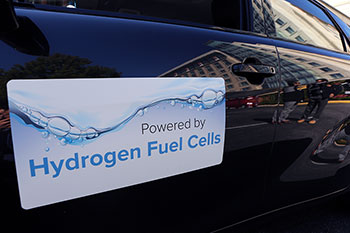 Fuel cells play a major role in creating a clean energy future, with a broad set of applications ranging from powering buildings to electrifying transportation. But, as with all emerging technologies, researchers have faced many barriers in developing affordable, efficient fuel cells and creating a way to cleanly produce the hydrogen that powers them.
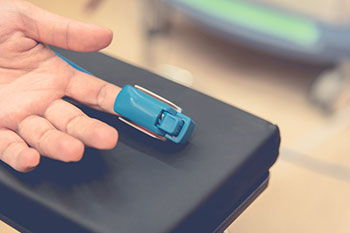 Engineers used tissue paper—similar to toilet tissue—to make a new kind of wearable sensor that can detect a pulse or a blink of an eye.
 A small metallic tab that, when attached to the body, is capable of generating electricity from bending a finger and other simple movements could one day power our electronic devices.
 Researchers have proposed three different methods for providing consistent power in 139 countries using 100 percent renewable energy.
 Raymond J. Gorte, Yang Shao-Horn, and M. Stanley Whittingham, all of whom are