

By: Chenfeng Ke, Dartmouth College
Nanomachines are tiny molecules – more than 10,000 lined up side by side would be narrower than the diameter of a human hair – that can move when they receive an external stimulus. They can already deliver medication within a body and serve as computer memories at the microscopic level. But as machines go, they haven’t been able to do much physical work – until now. 
My lab has used nano-sized building blocks to design a smart material that can perform work at a macroscopic scale, visible to the eye. A 3-D-printed lattice cube made out of polymer can lift 15 times its own weight – the equivalent of a human being lifting a car.
Nobel-winning roots are rotaxanes
The design of our new material is based on Nobel Prize-winning research that turned mechanically interlocked molecules into work-performing machines at nanoscale – things like molecular elevators and nanocars.
Rotaxanes are one of the most widely investigated of these molecules. These dumbbell-shaped molecules are capable of converting input energy – in the forms of light, heat or altered pH – into molecular movements. That’s how these kinds of molecular structures got the nickname “nanomachines.”
 Every year on March 22, people around the globe celebrate World Water Day to advocate for improved access to clean water internationally. To date, there are over 663 million people living without a safe water supply close to home, leading to families spending countless hours retrieving water from distant sources or coping with the health impacts of using contaminated water.
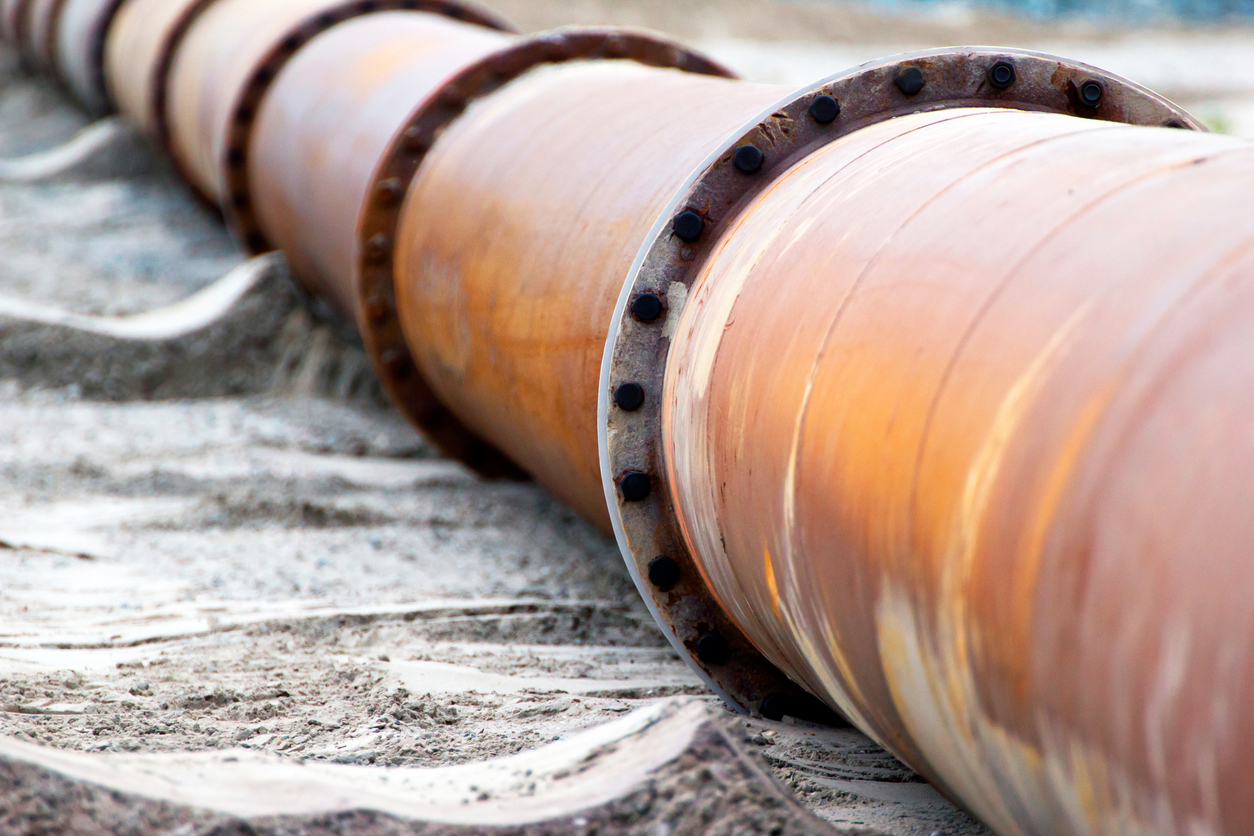 For many centuries, lead was the favored material for water pipes due to its malleability. However, the health hazards associated with ingesting lead were not fully understood until the late 1900s. Now, with a massive water infrastructure that utilizes lead pipes and instances of corrosion and leaching causing development and neurological effects in young children consuming tainted water, researchers from Washington University in St. Louis are researching the potential impact of replacing lead pipes.
 Chemists have engineered a molecule that uses light or electricity to convert carbon dioxide into carbon monoxide—a carbon-neutral fuel source—more efficiently than any other method of “carbon reduction.”
 Reports of a woman’s
  One of the keys to developing a successful electric vehicle relies on energy storage technology. For an EV to be successful in the marketplace, it must be able to travel longer distances (i.e. over 300 miles on a single charge).
 ECS is a sponsor of the
  ECS is sponsoring the