By: Sudeep Pasricha, Colorado State University
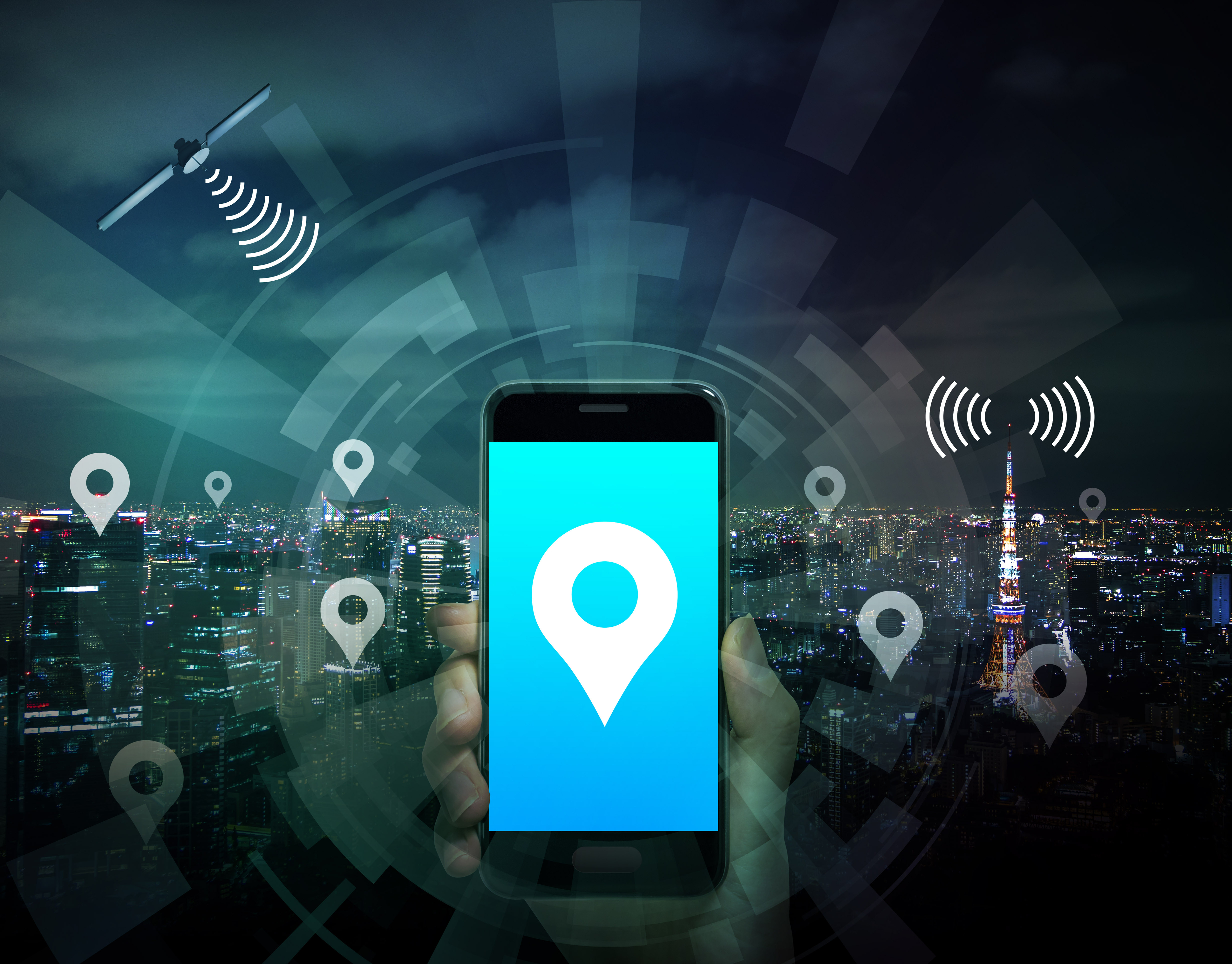 American mining production increased earlier this decade, as industry sought to reduce its reliance on other countries for key minerals such as coal for energy and rare-earth metals for use in consumer electronics. But mining is dangerous – working underground carries risks of explosions, fires, flooding and dangerous concentrations of poisonous gases.
Mine accidents have killed tens of thousands of mine workers worldwide in just the past decade. Most of these accidents occurred in structurally diverse underground mines with extensive labyrinths of interconnected tunnels. As mining progresses, workers move machinery around, which creates a continually changing environment. This makes search and rescue efforts even more complicated than they might otherwise be.
To address these dangers, U.S. federal regulations require mine operators to monitor levels of methane, carbon monoxide, smoke and oxygen – and to warn miners of possible danger due to air poisoning, flood, fire or explosions. In addition, mining companies must have accident-response plans that include systems with two key capabilities: enabling two-way communications between miners trapped underground and rescuers on the surface, and tracking individual miners so responders can know where they need to dig.
So far, efforts to design systems that are both reliable and resilient when disaster strikes have run into significant roadblocks. My research group’s work is aimed at enhancing commercially available smartphones and wireless network equipment with software and hardware innovations to create a system that is straightforward and relatively simple to operate.
Existing connections
The past decade has seen several efforts to develop monitoring and emergency communication systems, which generally can be classified into three types: through-the-wire, through-the-Earth and through-the-air. Each has different flaws that make them less than ideal options.
Wired systems use coaxial cables or optical fibers to connect monitoring and communications equipment throughout the mine and on the surface. But these are costly and vulnerable to damage from fires and tunnel collapses. Imagine, for example, if a wall collapse cut off a room from its connecting tunnels: Chances are the cable in those tunnels would be damaged too.
(more…)


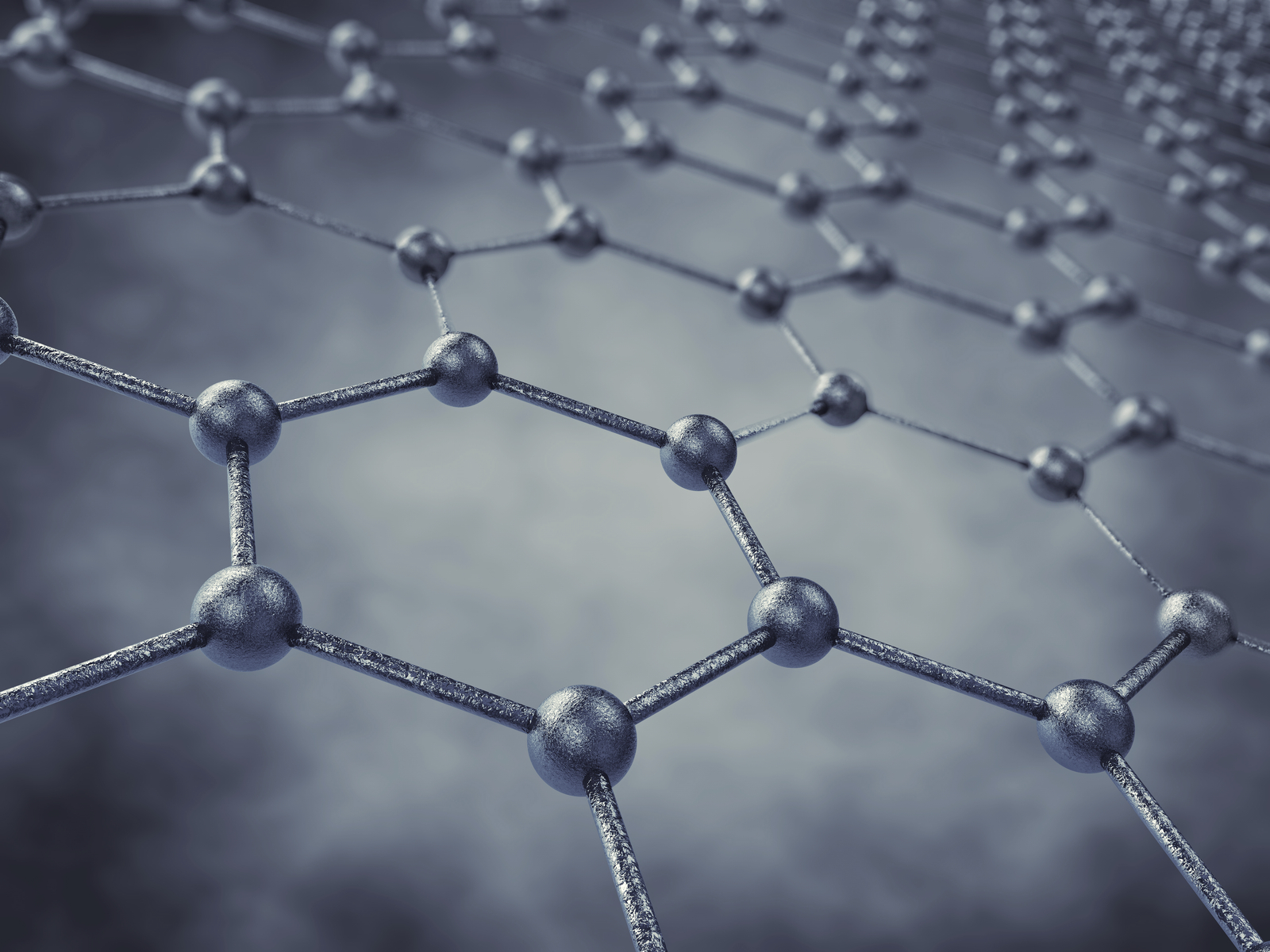 Researchers are shedding new light on cell biology with the development of a graphene sensor to monitor changes in the mitochondria.
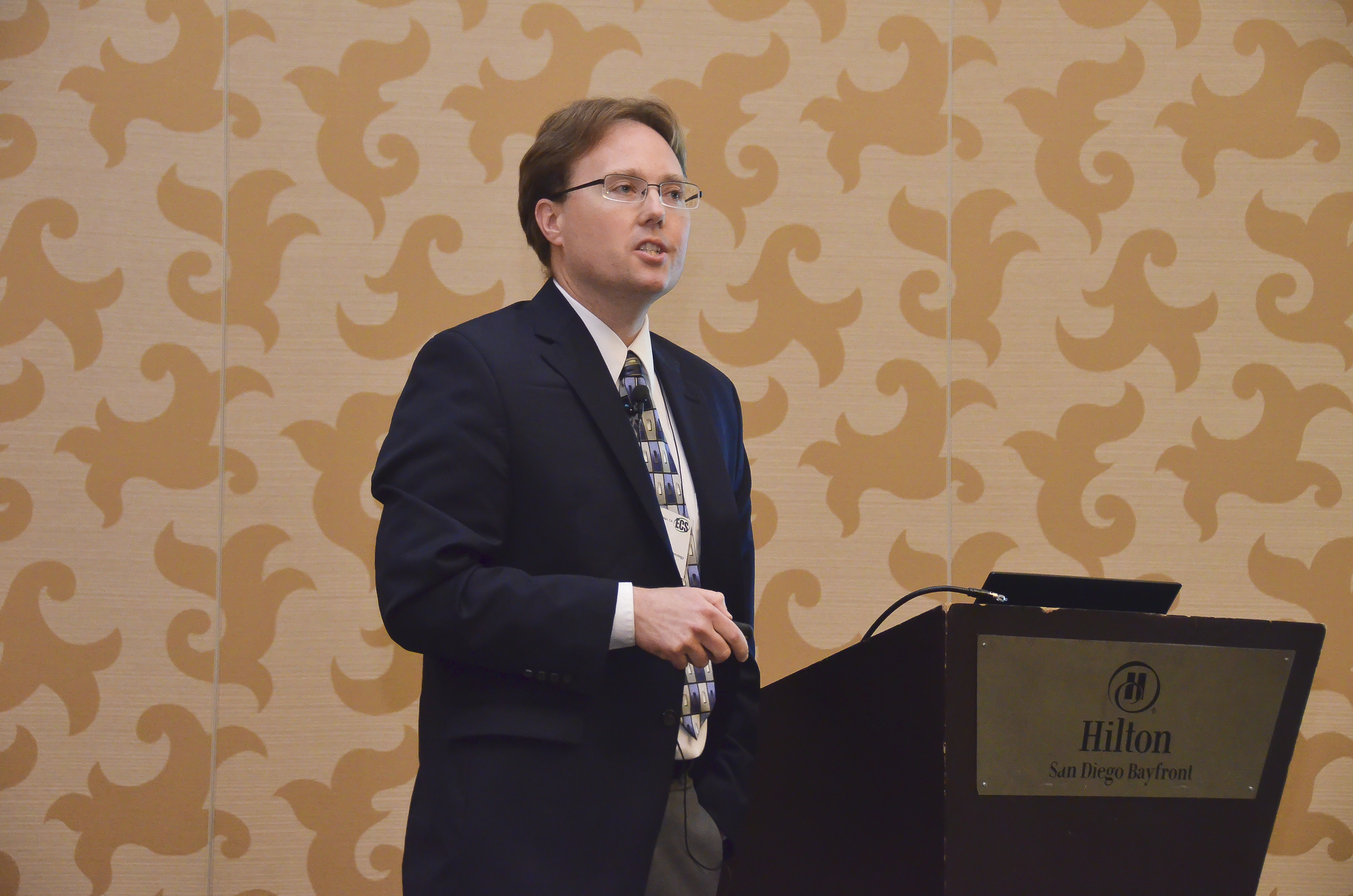 Topic Close-up #8
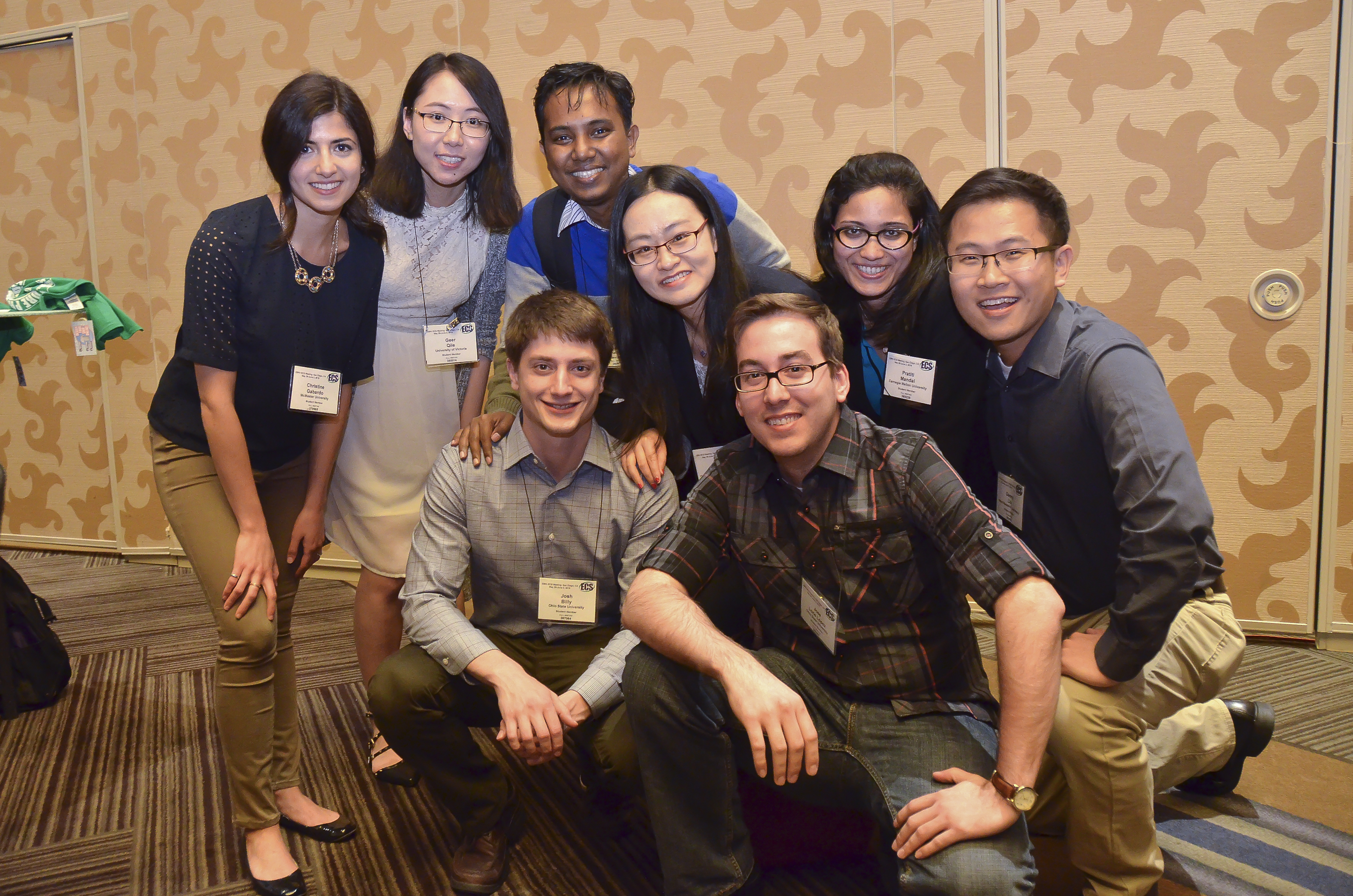 ECS hosts a flourishing network of brilliant, innovative young minds. When these minds are brought together through the formation of an ECS student chapter, truly exceptional things can happen. The students benefit, and so does the scientific community at large.
 My name is Andrew Ryan. For the past eight months, I served as a Membership Services Intern at ECS under the direction of Beth Fisher. Though I worked on many different projects throughout my time at ECS, my primary contribution was writing membership related posts for the ECS website’s
  Topic Close-up #7
 Topic Close-up #6
 Topic Close-up #5