

By: Vera Keller, University of Oregon
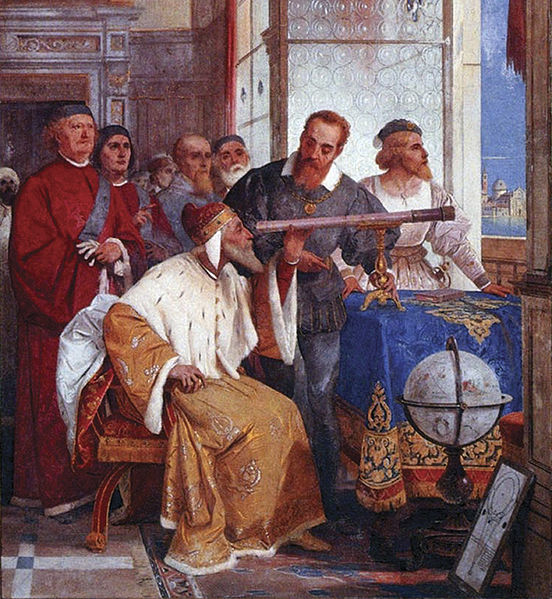
Galileo demonstrates a telescope to the doge of Venice. Giuseppe Bertini
While the Nobel Prizes are 115 years old, rewards for scientific achievement have been around much longer. As early as the 17th century, at the very origins of modern experimental science, promoters of science realized the need for some system of recognition and reward that would provide incentive for advances in the field.
Before the prize, it was the gift that reigned in science. Precursors to modern scientists – the early astronomers, philosophers, physicians, alchemists and engineers – offered wonderful achievements, discoveries, inventions and works of literature or art as gifts to powerful patrons, often royalty. Authors prefaced their publications with extravagant letters of dedication; they might, or they might not, be rewarded with a gift in return. Many of these practitioners worked outside of academe; even those who enjoyed a modest academic salary lacked today’s large institutional funders, beyond the Catholic Church. Gifts from patrons offered a crucial means of support, yet they came with many strings attached.
Eventually, different kinds of incentives, including prizes and awards, as well as new, salaried academic positions, became more common and the favor of particular wealthy patrons diminished in importance. But at the height of the Renaissance, scientific precursors relied on gifts from powerful princes to compensate and advertise their efforts.
Presented to please a patron
With courtiers all vying for a patron’s attention, gifts had to be presented with drama and flair. Galileo Galilei (1564-1642) presented his newly discovered moons of Jupiter to the Medici dukes as a “gift” that was literally out of this world. In return, Prince Cosimo “ennobled” Galileo with the title and position of court philosopher and mathematician.
If a gift succeeded, the gift-giver might, like Galileo in this case, be fortunate enough to receive a gift in return. Gift-givers could not, however, predict what form it would take, and they might find themselves burdened with offers they couldn’t refuse. Tycho Brahe (1546-1601), the great Danish Renaissance astronomer, received everything from cash to chemical secrets, exotic animals and islands in return for his discoveries.
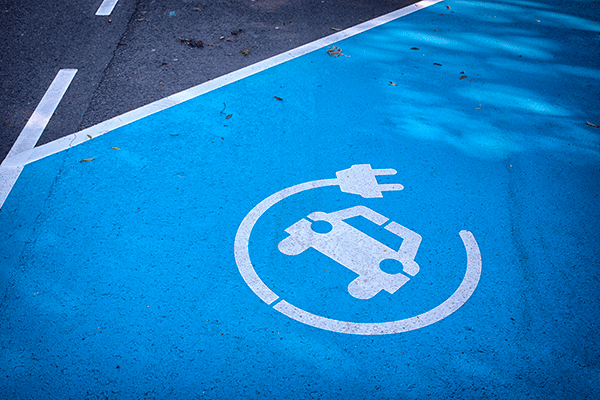 In 2005, the number of electric vehicles on the road could be measured in the hundreds. Over the years, researchers have made technological leaps in the field of EVs. Now, we’ve exceeded a global threshold of
  Actor, writer, and science advocate Alan Alda recently launched the sixth
  Topic Close-up #4
 ECS Technical Editor Dr. Gerald Frankel, accompanied by ECS’s Executive Director Roque Calvo, hosted our first ever “
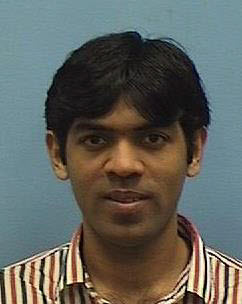 Manan is currently pursuing his PhD with Prof. Venkat Subramanian at the University of Washington, Seattle, where he is a Clean Energy Institute Fellow. He is actively involved with the recently formed University of Washington ECS Student Chapter, and serves as the vice-chair for education and outreach. Manan completed his undergraduate degree in Chemical Engineering at IIT Bombay in India. He is also one of the co-founders of a start-up called Battery Informatics where they are trying to commercialize their research on electrochemical and thermal physics model based Battery Management Systems (BMS). More details about the same can be found on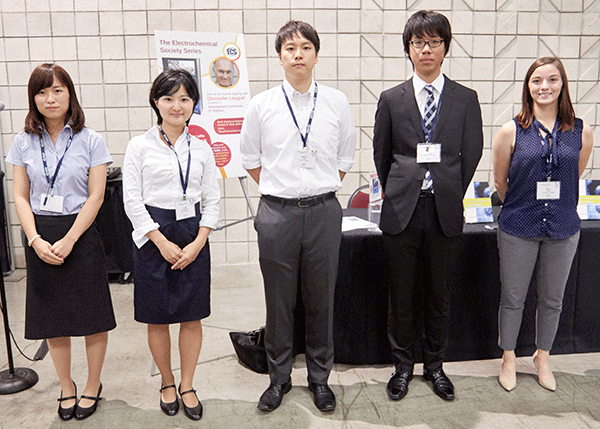
 Nobel laureates are