

 In an effort to develop an eco-friendly battery, researchers from Ulsan National Institute of Science and Technology (UNIST) have created a battery that can store and produce electricity by using seawater.
The research is expected to dramatically improve cost and stability issues over the next five years, with researchers confident about commercialization.
The driving force behind the battery is the sodium found in seawater. Because sodium is so abundant, the researchers believe that this new system will be an attractive supplement to existing battery technologies. Because the seawater battery is cheaper and more environmentally friendly than lithium-ion batteries, the team says the seawater battery could provide an alternative option in large-scale energy storage.
This from UNIST:
Seawater batteries are similar to their lithium-ion cousins since they store energy in the same way. The battery extracts sodium ions from the seawater when it is charged with electrical energy and stores them within the cathode compartment. Upon electrochemical discharge, sodium is released from the anode and reacts with water and oxygen from the seawater cathode to form sodium hydroxide. This process provide energy to power, for instance, an electric vehicle.
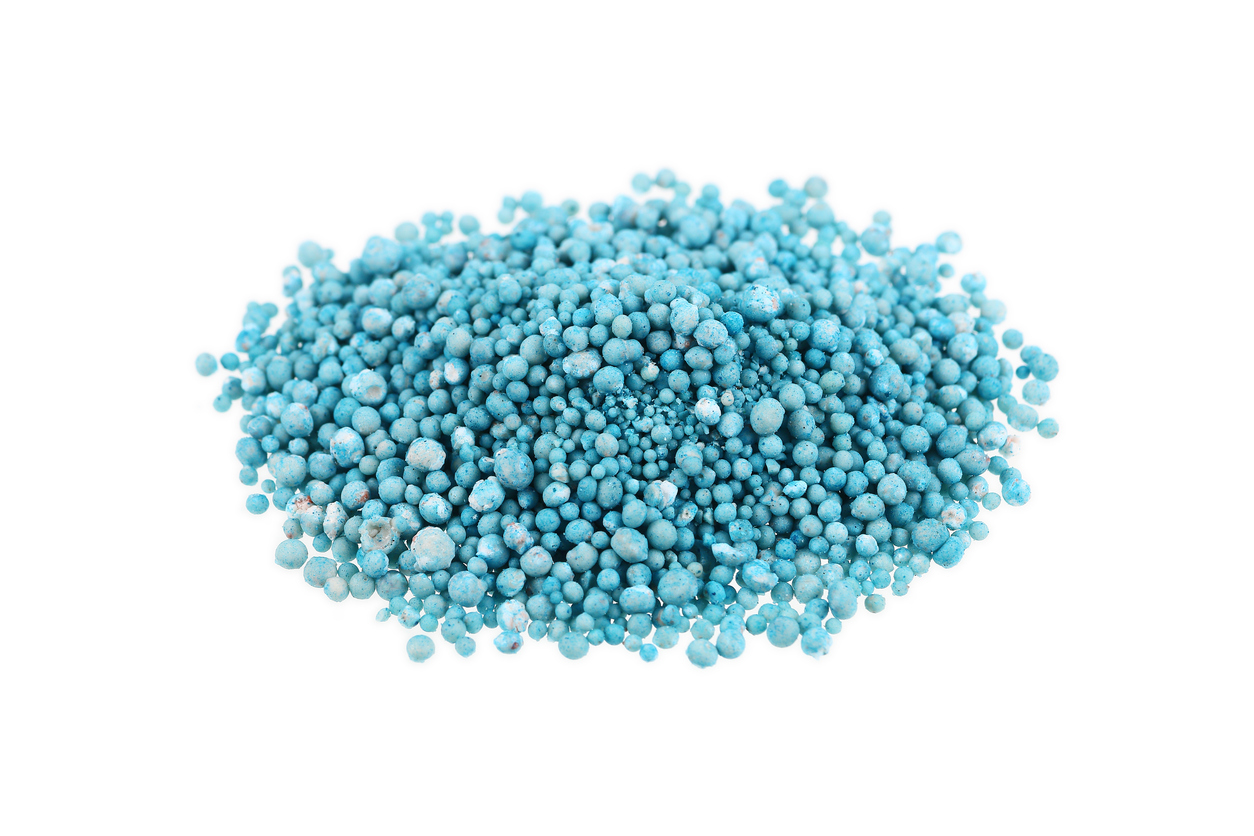 A battery made with urea, commonly found in fertilizers and mammal urine, could provide a low-cost way of storing energy produced through solar power or other forms of renewable energy for consumption during off hours.
 Most of today’s batteries are made up of two solid layers, separated by a liquid or gel electrolyte. But some researchers are beginning to move away from that traditional battery in favor of an all-solid-state battery, which some researchers believe could enhance battery energy density and safety. While there are many barriers to overcome when pursing a feasible all-solid-state battery, researchers from MIT believe they are headed in the right direction.
 The
The 
 Lithium-ion batteries supply billions of portable devices with energy. While current Li-ion battery designs may be sufficient for applications such as smartphones and tablets, the rise of electric vehicles and power storage systems demands new battery technology with new electrode materials and electrolytes.
 Recent safety concerns with lithium-ion batteries exploding in devices such as the Samsung Galaxy Note 7 phone and